
How Does a Brick Facade Transformation Impact Historic Homes
What Are the Key Elements of a Brick Facade Transformation?
Structural Integrity and Material Quality
A brick facade transformation kicks off by looking closely at the strength of the current brickwork. The base and main supports must hold up under the weight of both old and fresh materials. This step matters a lot. Bricks of good quality, the makeup of the mortar, and the ways they stick together all affect how long the structure will last. People often reuse bricks pulled from old sites or hunt for ones that match the past to keep things genuine and boost how tough they are. They pay close attention to keeping water out, adding layers for warmth, and making sure it can carry loads. All this makes the change better for daily use and for how it looks. In one old warehouse project downtown, workers spotted cracks in the base early, which stopped bigger problems down the line and saved time.
Aesthetic Considerations and Design Consistency
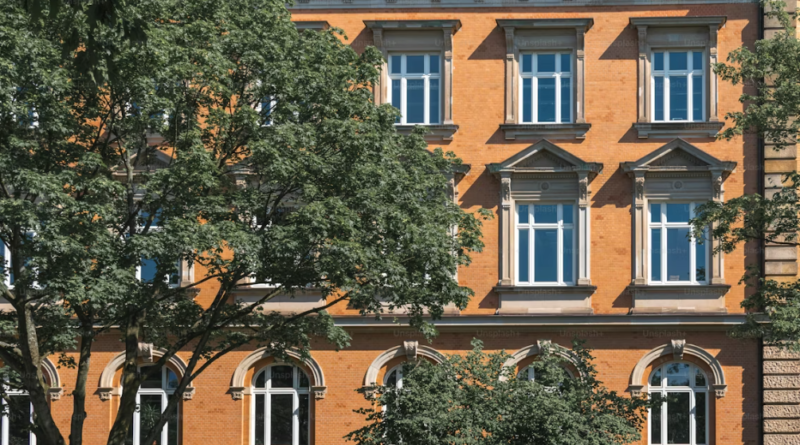
Keeping the design steady counts a great deal when you tweak an old brick front. Pick colors, lay out bricks in patterns, set joint spaces, and give surfaces a certain feel that fits the first building style. For example, you might copy Flemish bond or English bond to hold onto a smooth sight. Parts like lintels, cornices, and arches need fixing or remaking with sizes that match. This brings the old and new together without gaps. The point is to mix today’s additions with the steady feel of history. A slight shift in brick shades can add warmth, just like in those cozy row houses where the walls catch the sun in soft ways.
Compliance with Historic Preservation Guidelines
Changing an old brick front calls for sticking to rules from local history groups or country-wide keepers. These rules lay out okay materials, fix-up ways, and end looks to guard the cultural worth. Builders record every move in detail to show clear choices in the work. Following them keeps the past safe and opens up help like money grants or tax cuts for old site jobs. Take a team in a busy city; their full notes got them quick approval and extra cash, speeding up the whole effort.
How Does a Brick Facade Transformation Affect the Historical Value?
Preservation of Architectural Heritage
A solid transformation holds onto the building’s key traits while fixing weak spots in the structure. It keeps original stuff where it can to build realness. If swaps are needed, pick materials from the right era to carry on old making skills. This thoughtful way lets kids and grandkids feel the building’s first spirit, even as it shifts to fit now’s needs. It’s almost like the walls tell their own tale, from dusty archives to lively homes.
Impact on Property Valuation
Bringing back a brick front usually lifts the land’s price thanks to a sharper street view and old-time honor. Spots with true fronts fetch bigger sale tags since buyers see them as special history gems, not plain boxes. On top of that, matching save rules can raise a place’s rank in marked old areas, pushing its money side higher. Agents note how a fresh face can bump value by 15 to 25 percent, drawing from sales in historic spots over years.
Influence on Community Perception
Updating an old brick front goes past one person’s hold—it molds how the group sees itself. Fixed buildings aid in waking up areas by strengthening shared pasts and steady sights. Folks nearby tend to see these efforts as signs of care for local roots, building town pride and sparking more cash into keeping history. In a fading suburb fix-up, one front redo led to three more nearby, turning quiet streets into buzzing hubs.
What Are the Challenges in Transforming a Historic Brick Facade?
Balancing Modern Needs with Historical Accuracy
A key tough spot is blending today’s comforts, like thicker warmth layers or windows that cut energy use, without hurting the old true look. Builders get clever by hiding new parts in classic setups or copying time-right designs with fresh tools. This fine line needs team work from old-site pros, fixers, and planners. Often, it feels like a puzzle, especially when squeezing tech into tight old frames.
Navigating Regulatory and Permit Requirements
Old fix jobs face tangled rule watches. Gaining okay slips means writing out planned shifts in full and backing each step. Skipping rules brings hold-ups or hits with fees. Getting a grip on these law setups at the start cuts desk work snags and smooths the run. From past builds, a early meeting with rule keepers can shave months off waits.
Addressing Technical Difficulties in Restoration
Fix hurdles cover lining up old mortar blends, steadying soft brick walls, and mending worn outsides without changing their soft glow. Some times, firming up calls for tucked steel bars or small pin methods that keep the seen look while adding safe holds. Good hand skills matter big; bad touches can cause fixes that can’t be undone. Handling 100-year-old bricks demands care, as they chip easy under rough tools.
How Do Material Choices Influence the Outcome of a Brick Facade Transformation?
The Role of Authentic Materials in Preservation
True materials fill a spot no other can in holding past truth. Grabbing back bricks from close times keeps the feel steady and sight deep, something factory goods can’t touch. Mortars from lime top cement kinds since they bend and breathe easy, key for old brick setups that swell and shrink with seasons. This setup lets walls handle rain and dry spells like they did back then.
Impact of Modern Materials on Durability and Appearance
Fresh materials such as built bricks or coatings from polymers give stronger lasts but can shift sights if picked poor. Take high-squeeze bricks; they fight wear but miss the small twists of hand-shaped ones. Blended paths, tying old hand work with new guard layers, hit hardiness and real feel if done with thought. Not every mix works perfect, though—some coatings peel after a few rains if not tested right.
Cost Implications of Different Material Selections
Picking materials sways the full job bill heavy. True fix-level goods run pricier from scarce stock and special worker needs. New stand-ins drop first costs but pile on later fix bills if they clash with old bases. A full look at costs versus gains picks lasting picks that fit money limits and past care ways. In a mid-size town redo, blending types cut spending by 10 percent yet held the old charm firm.
What Is the Role of Technology in Brick Facade Transformations?
Use of 3D Modeling for Design Precision
Tech gear like 3D laser maps out now states sharp before work starts. Such setups aid true copies of fine bits like cornices or carved ups, cutting size slips in remake steps. Fake runs let planners see end sights before real touches. This helps spot issues early, say in curved old walls where straight measures fail.
Advanced Techniques in Masonry Restoration
New tech brings soft check tools like heat scans to find water slips or empty gaps behind fronts without tearing down. Auto clean setups using tiny rubs or laser lights wipe dirt soft while holding face wholeness, a big step up from old rough wipes that harm brick skins. For city buildings caked in soot, this means clean looks without scars.
Integration of Energy-Efficient Solutions
Power saving slips in quiet to old fronts via inside warmth sheets, air-pass cloths, or two-glass slide windows shaped like first ones. Bright watchers hid in walls track wet levels to stop damp rot and steady room ease, all with no sight change outside. In chill spots, setups like these trim power tabs by 25 percent or so, per worker logs.
How Does a Brick Facade Transformation Impact the Overall Home Aesthetics?
Harmonizing New and Old Architectural Elements
Winning changes make peace between added parts and kept firsts. Join spots where past meets now get exact care so shifts look meant, not broken. Soft diffs, like light brick tones, show time’s flow without sight fights. A tiny shade play can warm the whole, echoing how homes age gracefully.
Enhancing Curb Appeal Through Design Updates
Freshening worn fronts wakes street views big time. Straight lines, fixed small bits, and even sizes lift how eyes catch it amid new-style surrounds. Light plans boost brick feel changes at dark, adding layers and polish. Night glow on rough walls turns heads, making plain spots shine.
Maintaining Cohesion with Surrounding Structures
Spot sense makes changed fronts fit next doors without bossing them. Size matches, steady good sets, and nods to local build talk hold city ties, vital in old zones where group peace sets who they are. A lone odd front jars the flow, so careful fits keep harmony.
What Are the Long-Term Benefits of Transforming a Historic Brick Facade?
Increased Property Longevity and Reduced Maintenance Costs
Fixed fronts stretch build life by tackling deep wear roots like water creeps or heat crack pulls. Right joint refill ways cut fix times and hold firm in weather swings, bringing cash saves over years plus sight joys. One owner shared how their setup ran trouble-free for seven years post-work.
Enhanced Environmental Performance and Energy Efficiency
Green fix habits aid earth aims by reusing on-hand goods over new makes, a way that drops smoke output way below tear-down rebuild loops. Better warmth builds tucked behind kept bricks lift power save without outside shifts. This fits wide green pushes, cutting city heat waste.
Strengthened Cultural and Historical Significance
Each fixed brick front builds culture links by tying old make ways to now’s fresh tries. Such changes act as touch stories joining groups over times, backing shared who through built past care and firing up more save works in town spreads world-wide. They stand as quiet teachers of time’s thread.