

Is A Modern House Facade With Porcelain Slabs The Future Of Architecture
What Defines A Modern House Facade With Porcelain Slabs
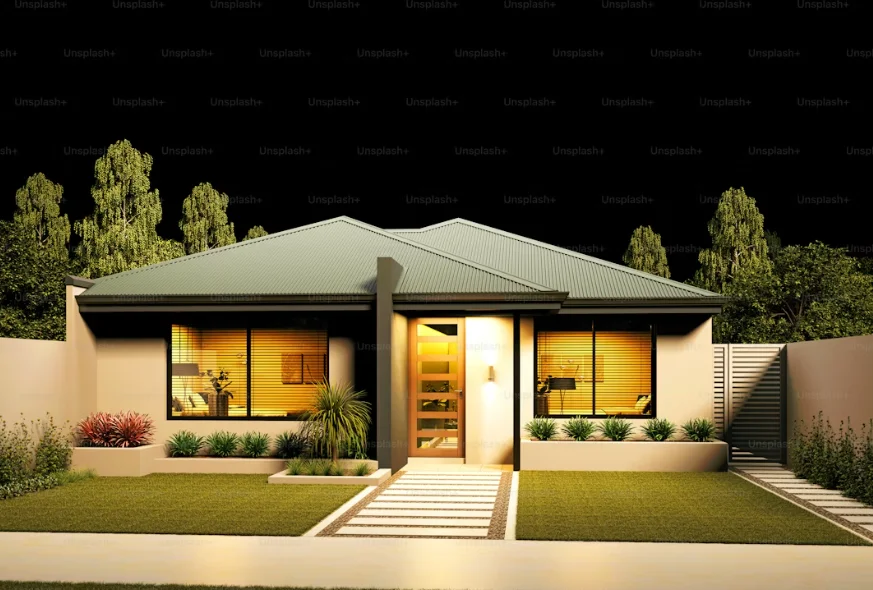
Today’s building designs pick materials for looks and strong work qualities. A modern house facade with porcelain slabs shows this change well. You spot them in fancy home projects in Europe and Asia. They have straight lines, even surfaces, and light textures. These change how light hits them all day. Such facades do more than just look nice. They act as smart setups that mix good looks, toughness, and green ways. I recall seeing one in a rainy spot in Spain, where the slabs held up without a scratch after years.
Integration Of Porcelain Slabs In Contemporary Architecture
Porcelain slabs fit right into today’s building styles. They blend real use with simple beauty. Big sizes let builders make smooth walls that stress clear shapes and balance. As outside covers, porcelain gives a smooth look that matches the style of new homes. The smooth top of porcelain works well with sunlight. It gives walls a lively but calm feel. Many builders pick porcelain now. It helps get even looks without losing touch appeal. For instance, in a Tokyo project, they used these to cover a whole side, making it feel open and fresh.
Material Properties That Support Modern Design Principles
Porcelain’s key traits make it a good match for today’s building ideas. It soaks up little water, so it fights off wet damage. This stops breaks or wear on the top over time. It stands up to sun rays, keeping colors steady in bright light. That’s a big plus for outside spots. Porcelain slabs are tough and thick, but makers can make them slim. This makes them lighter than old stone sheets. So, putting them up gets easier on new houses or fixes. It also cuts down on weight on the frame. Think about a home in hot Arizona; these slabs stay cool and don’t fade like paint might.
The Aesthetic Value Of Porcelain Facades In Modern Homes
Porcelain’s look options draw people in most. It has dull, shiny, or rough tops that copy real stone or plain concrete. Yet it keeps exact details. In home plans, porcelain goes great with glass or metal. This makes mixed walls full of differences but still tied together. Its steady nature lets you show new styles through plain ways. Sharp sides, hidden joins, and even color sets mark many top homes today. One example is a Seattle house where the porcelain added a soft glow that changed with the clouds.
Why Are Architects Turning To Porcelain Slabs For Facade Design?
Builders pick porcelain slabs more for walls now. They beat old stuff like stone or concrete in work and fit. The switch comes from more than just looks. It ties to long life, safe use, and care for the earth.
Performance Advantages Over Traditional Materials
Porcelain does better than many old wall covers in fighting weather and upkeep. It holds color and shape against dirty rain or sea spray. It won’t catch fire, which helps meet safe rules for homes in dry, fire-risk areas. Its tiny water take-up, often under 0.5%, stops ice damage that hits natural stone walls. In places like coastal Florida, these slabs shrug off salt without pitting.
Sustainability And Environmental Considerations
New making ways turn porcelain into a green pick. Factories mix in reused stuff with clay. They run kilns that save power and cut smoke from heat. Since porcelain lasts so long, you replace it less. That’s a key point in green building checks. Plus, in air-flow wall setups, it helps keep inside temps steady by letting air move behind the sheets. A project in Sweden used this to drop energy bills by 20% over two years.
Architectural Freedom And Design Flexibility
Big slabs let planners cut down on seen joins and keep looks flowing over wide areas. You choose from custom shades and printed designs that look like marble lines or metal shines. No need to dig up rocks from mines. Slim but sturdy sheets fit right into light frames, like aluminum bases in ready-made build parts. This freedom shines in a Berlin home where curves flowed without breaks.
How Do Porcelain Slab Facades Enhance Building Performance?
Porcelain slab walls do more than look good. They boost how well buildings work and keep folks comfy with heat control and weather shields.
Thermal Efficiency And Energy Regulation
Air-flow wall builds with porcelain make a buffer space between the outside layer and inner wall. This space cuts heat move in hot times. It holds warmth better in cold spells. So, inside feels nicer, and air systems use less power. Groups like LEED or BREEAM often note these gains. In a test home in Italy, this setup saved 15% on cooling costs last summer.
Resistance To External Agents And Weathering Effects
Porcelain’s tight makeup fights frost shifts, dirty rain wear, sun harm, and sea salt in beach spots. Its tight top stops mold or dirt marks from city dust. That’s a big problem for plain concrete over years. This built-in strength means fewer fixes for many years. Coastal homes in Australia report no issues after a decade.
Maintenance And Lifecycle Cost Efficiency
You need little care because grime can’t get into its sealed top. A rinse with water now and then works fine. Upfront price beats plaster or fake siding in mid homes. But the long run pays back through less work. Home owners who eye future worth over quick saves find porcelain a smart mix of style and money sense. One owner in Canada said it cut cleaning time in half.
Can Porcelain Slabs Redefine Architectural Aesthetics In Residential Design?
Porcelain starts to change how new homes show who they are through walls. Its exact making fits plain building goals. It opens fresh ways with tech blends.
Minimalism And Visual Continuity As Design Drivers
Big panels make smooth flat areas that boost simple looks. That’s a key in modern plain styles, like homes from Japan or cool Nordic spots. Even feels bring peace and neatness to the setup. Hidden fix ways keep tops clean without pins or bolts breaking the flow. In a quiet suburb, this created a calm front that blended with trees.
Integration With Smart Building Technologies
New ideas let porcelain sheets hold sun power coats or hidden sensors in their build. These smart tops can check heat shifts or make power from sun without messing the look. Shiny tops also help bring in more day light inside. This cuts need for fake lights in day. A smart home in Singapore used this to track weather without wires showing.
Influence On Urban And Suburban Architectural Identity
In cities around the world, steady use of porcelain covers helps make matching views where new styles meet local feels well. Planners use it for bold city buildings and nice suburb homes. They want looks that last, based on true material feel over extra decor. This shapes streets in places like New York suburbs nicely.
What Challenges Exist In Adopting Porcelain Slab Facades Widely?
Even with strong points, some hurdles slow down wide use of porcelain wall systems in markets.
Technical Requirements For Installation And Support Systems
Because of size and weight spread, porcelain slabs need exact hold tools like hidden clips or glue bonds checked for loads. Workers skilled in cuts with special tools matter a lot. Wrong setup can make weak spots from heat changes over time. In a windy Chicago build, proper clips kept everything secure.
Cost Implications And Market Accessibility
Start cost per square meter tops basic wall coats or cheap side covers in average homes. But less care needs even out full costs later. Builders for high-end spots stress this, as long strength makes the spend worth it. Market growth shows prices dropping slowly as more makers join.
Compatibility With Existing Building Codes And Standards
Different areas have rules on fire hold or shake strength. Projects need special okay before setup. Makers keep testing to match new world rules. This lets planners pick these with trust in many places. Updates help in quake zones like California.
How Will Technological Innovation Shape The Future Of Porcelain Facades?
Current studies push ceramic work further. They cover digital making to green cycles for reuse goals.
Advances In Manufacturing And Digital Fabrication
New heat ways boost strength but use less fire heat than old ovens from 20 years back. This saves power a lot. Print tech now copies real feels like rock lines or rough metal. It uses ink layers on clay bases that look just like the real thing. Factories in Italy lead this, cutting waste by 30%.
Integration Of Sustainable Construction Practices
Reuse plans in tile plants take back unused clay to make more, not to dumps. Light panel ideas cut ship smoke more. Thin sheets take less room in trucks. That’s a small win for clean moves worldwide. One firm recycles 80% of scraps now.
Collaboration Between Architects And Material Scientists
Team work across fields drives mixed wall studies. They blend ceramics with strong fibers for better bend in wind for high builds. Soft ware guesses long-term acts in varied weather before real tests. This speeds up use in smart design groups. Partnerships in Europe speed this up yearly.
Is A Modern House Facade With Porcelain Slabs Truly The Future Of Architecture?
Building shifts point yes. Green needs meet tech polish here better than most materials out there today.
Alignment With Global Architectural Trends
The world move to green plain styles puts porcelain up front. Its long life and reuse fit ready-for-tomorrow ideas from top firms around the globe. Trends in Asia show this growing fast.
Potential For Evolution Beyond Residential Applications
Business spots take these wall fixes more for steady looks in shops or hotels. They want strong grace with little care over many years. This spreads to offices too.
Vision For 2026 And Beyond
From 2026 on, look for more ties between plan tools like BIM and ready parts with porcelain cut by machines. This shortens setup time a lot. It keeps craft quality once only in hand stone work. By then, costs may drop 15% with wider use.
FAQ
Q1: What makes porcelain slabs ideal for modern house facades?
A: Their mix of toughness, low care needs, sun color hold, and look options fit today’s building ways that stress clear shapes and steady work.
Q2: Are porcelain slab facades environmentally friendly?
A: Yes, makers use reused start stuff and power-saving heat ovens. The long life cuts earth harm from often swaps.
Q3: How do ventilated facade systems improve energy efficiency?
A: They make an air space behind sheets that boosts heat hold by cutting straight heat pass from outside to inside wall parts.
Q4: What challenges come with installing large-format porcelain panels?
A: Setup needs special hold gear and trained workers for safe handle of big stiff tiles on site.
Q5: Will technological advances lower costs soon?
A: As machine work boosts make speed worldwide and supply lines grow after 2026 plans, costs should ease bit by bit. This opens them to more than just fancy homes.