
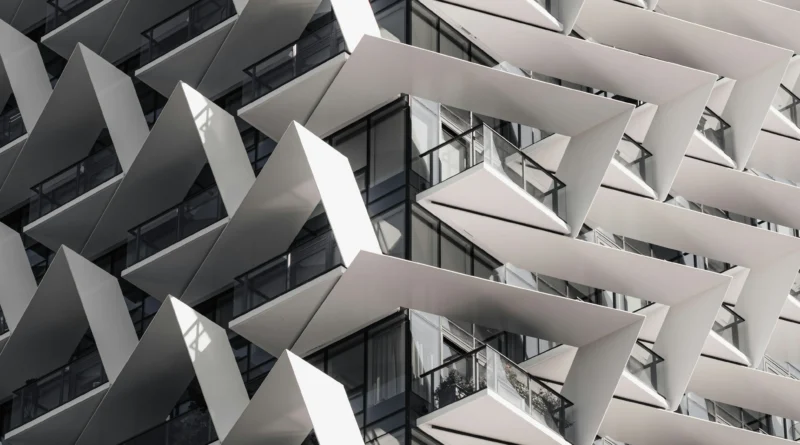
What Defines A Modern Facade Today
Modern architecture keeps changing. The idea of a modern facade changes too. For people in design, building, and materials work, the facade acts as more than just an outer cover. It serves as a system that focuses on how well it works. This system shows both looks and tech. The next parts look at how materials, green practices, tech, and local ways shape what we mean by a “modern facade” now.
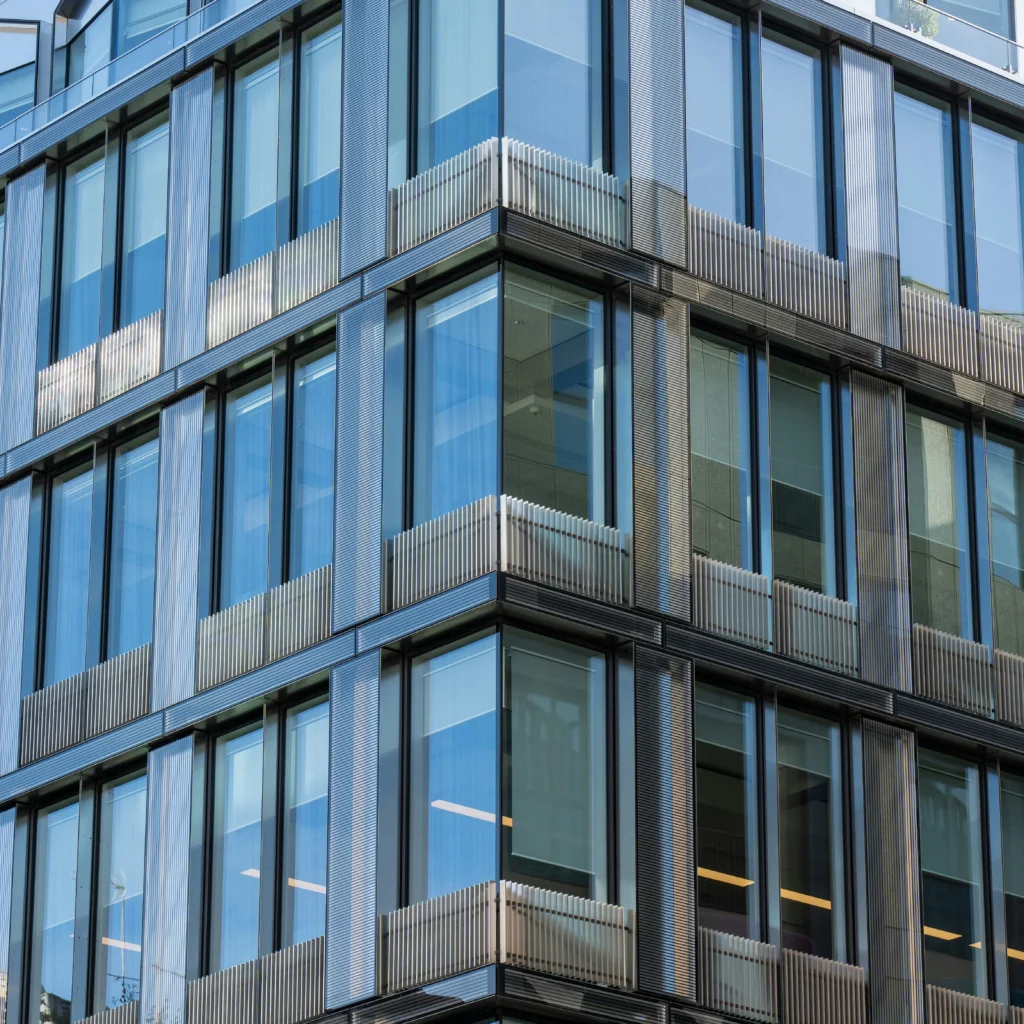
What Materials Shape the Modern Facade?
The choice of materials for today’s facades goes way past old stone or brick. Designers now mix good looks with how well things work and how long they last.
Composite Materials and High-Performance Panels
Composite cladding like aluminum composite panels (ACP) or fiber cement boards leads in modern facade work. They weigh little and install easily. These let builders get smooth surfaces. At the same time, they keep the structure strong. In tall office buildings in London and Singapore, folks use ACP for keeping heat in or out. It also gives room for different styles. I recall a project in Singapore where ACP helped a new tower blend with the city skyline without adding extra weight to the frame.
Glass Systems with Advanced Coatings
Glass stays key in stories about modern facades. Low-emissivity (Low-E) coatings, double-glazed units, and smart glass tech change how buildings handle light and warmth. A smart glass setup can cut down heat from the sun by as much as 40%. This comes from info by the U.S. Department of Energy in 2022. This move to clever window solutions shows that clear views don’t have to fight with saving energy anymore. Think about a sunny office in California. There, smart glass dims when it’s too bright, helping workers stay comfy without cranking up the AC all day.
Natural Finishes for Texture and Warmth
Even with all the new tech, folks show fresh interest in natural touches like wood layers or stone mixes. These add a soft feel to hard metal and glass setups. They link city buildings back to nature around them. The touch of these facades often makes living or working there feel better in homes or shared spaces. For example, a residential block in Vancouver used timber veneers. It brought a cozy vibe to the cold urban edge.
How Does Sustainability Influence Modern Facade Design?
The push for buildings that use zero net energy makes green facades a big deal in building work. A modern facade has to work well for the planet. It also needs to look good.
Energy Efficiency Through Envelope Performance
The outer layer of a building takes up about 30 to 40 percent of its total energy use. This is from the International Energy Agency in 2021. Builders add strong insulation, tight covers, and air-flow gaps to cut heat loss or gain. These steps help get green labels like LEED or BREEAM. In practice, I’ve seen how a simple ventilated cavity in a European hotel dropped heating bills by 25 percent over two winters.
Recyclable and Low-Impact Materials
Picking the right materials matters a lot for green scores. Reused aluminum covers or plant-based mixes lower the carbon footprint a lot next to new stuff. Makers now share Environmental Product Declarations (EPDs) more often. These help measure full life effects. Architects use them to be clear about where materials come from. One firm in Australia switched to recycled panels for a mall. It saved on costs and pleased eco-conscious shoppers.
Adaptive Facades Responding to Climate
Facades that change with weather mark one of the coolest trends in green building. Things like moving shade panels or auto louvers shift based on sun strength or heat levels. This cuts the need for machine cooling. In hot spots like Dubai, these systems keep indoor temps steady. They do it without wasting power, which is a real win for busy high-rises.
How Has Technology Transformed Facade Engineering?
Digital tools have changed how people plan, test, and build facades. This goes from shape-modeling programs to built-in sensors.
Parametric Design Tools
Programs like Rhino with Grasshopper let builders test tricky shapes. They also check light flow or air movement. This computer way gives quick info on shape and use. It’s a main sign of new facade ideas. Teams in New York used it for a wavy office front. The tool helped tweak curves to let in just the right daylight.
Building Information Modeling Integration
BIM helps teams work together with shared online models. For facades, it lines up joints, holders, heat breaks, and water paths before making starts. This cuts mistakes in building. It also plans upkeep better over time. In a big project in Tokyo, BIM caught a drainage issue early. That saved weeks of fixes later.
Smart Facade Systems with IoT Sensors
Internet-of-Things (IoT) links let ongoing checks of heat differences, air leaks, or wetness on building skins. Data from sensors sets up fixes ahead of time. This makes facade parts last longer. It keeps steady work for years. A smart system in a Berlin school tracks humidity. It alerts staff before mold becomes a problem, keeping kids healthy.
Why Is Cultural Context Important in Defining Modern Facades?
Tech pushes new ideas. But local ways keep buildings tied to people and places. A real modern facade fits its spot. It doesn’t just copy styles from elsewhere.
Regional Identity Through Material Choice
In places like Scandinavia, wood covers show local wood and old ways. In warmer spots like the Mediterranean, clay tiles rule because they hold heat well. These picks build a sense of place. They also match the weather. It’s interesting how a Swedish cabin-style office used timber to echo forests nearby, making workers feel at home.
Urban Integration and Heritage Continuity
New builds in old city areas often add simple glass parts. These stand out but match brick walls from before. This chat between old and new shows care for history. It avoids fake copies. Builders use size control and plain materials to get this right. In Paris, a glass extension to a stone museum drew crowds for its quiet nod to the past.
Public Perception and Emotional Resonance
More than tech, facades shape how folks feel in a spot. A study in Frontiers in Psychology from 2020 says bumpy surfaces stir feelings more than smooth ones. So, even tech-heavy facades think about how people see and feel them. Besides efficiency, a rough stone mix in a park building made visitors linger longer, boosting community ties.
What Role Does Maintenance Play in Long-Term Facade Performance?
How long a facade lasts shows its true worth over years. Planning for care starts when design begins. It doesn’t wait until after the build ends.
Ease of Access for Cleaning and Repairs
Tall building fronts now include hidden paths for upkeep. Or they use panel sets that swap out one by one. This avoids big scaffolds. It saves money over many years. In windy Chicago towers, modular systems let cleaners reach spots safely without halting office work below.
Resistance Against Environmental Degradation
Projects near the sea deal with salt eating away at parts. Dry areas need coatings against sun fade. Cold places test for ice melt strength in material picks. Each setup shapes details like seal choices or hold methods. A coastal hotel in Florida picked UV coatings that held color after five stormy seasons.
Lifecycle Cost Analysis as Design Metric
Instead of just first costs, full-life checks look at fix times, clean schedules, swap cycles, and end costs over 30 to 50 years. This gives a full picture that fits green spending ideas. Builders in Canada now run these analyses standard. They help pick options that pay off long-term, even if they cost more at first.
How Do Regulations Shape Modern Facade Standards?
Rules around the world keep things safe. They also nudge new ways to hit better work marks.
Fire Safety Compliance After Global Incidents
After fires like Grenfell Tower in 2017, many places made stricter rules on burnable covers. Now, standards call for non-burn cores (A1/A2 rated under EN 13501-1) in tall builds. This pushes makers to safer mixes. They keep style options open. In the UK, updated rules led to quicker tests, cutting risks in new apartments.
Thermal Performance Requirements
Energy rules like ASHRAE 90.1 or Europe’s EPBD set base heat flow limits. These affect insulation depth and window sizes. They shape the whole building’s energy score. A team in Germany met EPBD by adding extra glazing layers. It dropped energy use without blocking views.
Acoustic Control Regulations in Urban Centers
As cities pack in more people, blocking noise matters for comfort inside. Double-layer facades or sound-proof glass hit noise limits from city planners. They keep clear looks in modern builds. In noisy London, acoustic glass in condos cut street sounds by half, letting residents sleep better.
FAQ
Q1: What distinguishes a modern facade from traditional ones?
A: A modern facade mixes new materials such as composites or smart glass. It uses digital tools to balance looks and how well it works. This covers energy savings, lasting strength, and comfort for those inside.
Q2: Are sustainable facades more expensive?
A: Upfront prices can run higher from special materials or tech add-ons. But savings from lower energy use often cover that in just a few years of running the building. One office owner told me it paid back in three years flat.
Q3: How do smart facades improve building efficiency?
A: Smart facades with IoT sensors watch things like sun hit or wetness. They move shade tools on their own. This cuts down on heating or cooling needs a lot over time. In a hot climate test, it slashed AC use by 30 percent.
Q4: Can traditional materials still be part of modern designs?
A: Yes. Architects rework natural items like wood or stone with new making ways. Think CNC cutting or mixed layers that boost strength. They keep the real feel. A modern home in Italy used stone composites for a fresh take on old walls.
Q5: What is the biggest challenge facing future facade development?
A: Matching green goals with costs that people can afford stays key. Bringing in reuse ideas for big making will shape what’s next in facades around the world. It’s tough, but projects in Asia are leading with affordable green panels already.