
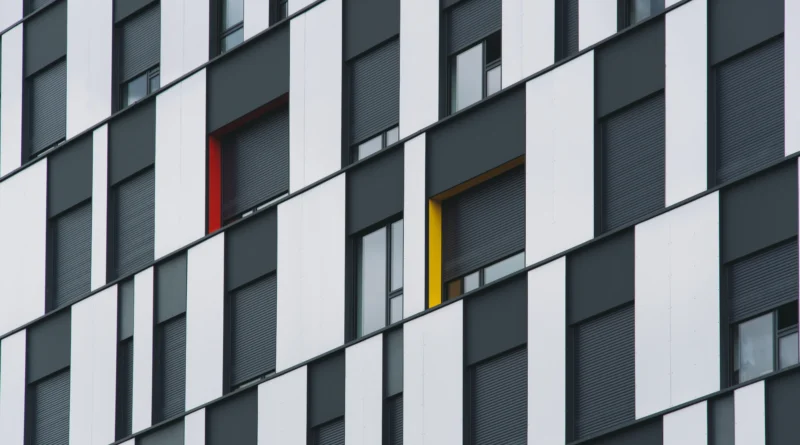
What Is Facade Architecture And Why It Matters
Facade architecture blends design, engineering, and environmental results. It goes beyond just the outer look of a building. Instead, it focuses on how that outer layer works with weather, sunlight, and people’s daily lives. For folks in architecture and building trades, the facade forms the core of a structure’s style and usefulness. This piece digs into the key technical and idea-based parts of facade architecture. It covers its part in green building to how it changes city spaces. Sometimes, I wonder if older buildings with simple facades feel more welcoming than these sleek modern ones—it’s a thought that pops up when walking through mixed neighborhoods.
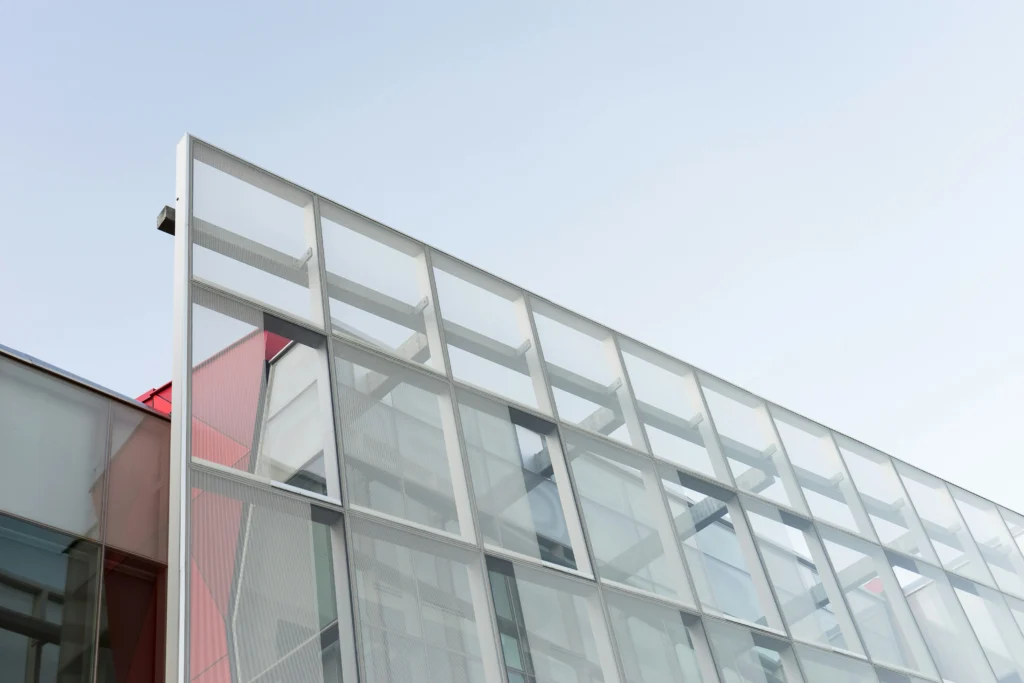
What Defines Facade Architecture?
The phrase “facade architecture” points to the outer side or covering of a building. It acts as both a visual showpiece and a working shield that guards inside areas from weather effects. In today’s work, facades get careful planning with focus on material facts, heat handling, and structure blending. Picture it as the link between building plans and the air around—a go-between that matches creative goals with real needs.
Structural Composition
A facade builds up from parts like outer panels, heat-proof layers, air blocks, and holding frames. Each part adds to blocking heat and handling water. Curtain wall systems from glass and aluminum show up often in tall buildings. They mix clear views with solid build. Masonry facades stay in use for their long-lasting nature and sound-blocking skills. In places like New York high-rises, these systems handle winds up to 100 mph, which shows their real strength in tough spots.
Material Innovation
Fresh materials have changed how facades take shape. Strong glass cuts down heat movement while letting in day light. Mixed panels such as aluminum honeycomb or fiber-strengthened plastics give light weight with firm hold. Builders often try moving or changing materials that shift with sun rays or warmth shifts—ideas that seemed like sci-fi but now fit everyday jobs. For example, a project in Europe used panels that open like flowers in the sun, cutting energy bills by 20% over plain walls.
Aesthetic Expression
More than just working well, facades share cultural stories. The feel of rock, pattern of windows, or shade choices can show local roots or business looks. Take parametric facades; they use math patterns for lively sight effects and better shade spots. It’s neat how a simple curve in the design can make a whole block feel alive, almost like the building breathes with the city.
How Does Facade Architecture Influence Building Performance?
A smart facade touches energy use, inside comfort, and upkeep costs right away. If you check a building’s full life results, the facade plays a big role in how it swaps energy with the outside world. And honestly, getting this right can save owners thousands in the long run—I’ve seen reports from construction sites that back this up.
Thermal Regulation
Facades work as heat guards between inside rooms and outer weather. Double-skin facades mean two glass sheets with an air space in between. They cut winter cold loss. They also stop summer heat build-up. This happens by managing air flow in that space.
Daylighting Control
Well-planned gaps let in natural light. At the same time, they cut back on harsh shine. Things like slats, edges, or holey screens spread sun rays evenly inside. So, this cuts the need for fake lights in day time. It boosts how people feel inside. Plus, it drops power bills.
Acoustic Comfort
In busy city spots, noise from cars or factories never stops. Layered facades with sound-proof stuff lower noise passing through. They do this without losing clear views or fresh air flow. In Tokyo offices, these setups drop street sounds by 30 decibels, making quiet work spaces a reality.
Why Is Sustainability Central to Facade Design?
Green ways now tie closely to current facade work. The outer layer serves as a weather handler, not merely a pretty face.
Energy Efficiency
Top facades add low-heat coatings and tight seals. These cut energy waste from heat pass or air leaks. Simple sun plans, like facing glass to best sun paths, keep inside temps nice without machines. Over a year, this can trim heating needs by up to 40%, based on studies from green building groups.
Recyclable Materials
Picking metals you can reuse, like aluminum or steel, fits reuse building habits. Some jobs even add back-used wood or nearby stone. This drops the carbon mark from making stuff. It’s practical too—local stone means less truck miles, which cuts costs and pollution.
Integration With Renewable Systems
Sun power sheets built into glass turns facades into energy makers. These building-integrated photovoltaics (BIPV) feed clean power to the site. They do so without big changes to the look. In sunny spots like California, one office facade generated enough juice for half its lights last year.
How Do Digital Tools Shape Modern Facade Architecture?
Tech changes have flipped how builders plan and make building covers. Now, tools let you test results before real models go up. This shift feels like a game-changer, especially after seeing old sketches give way to screen magic in studios.
Parametric Modeling
Math-based programs let makers tweak things like shade size or panel shapes fast. You see changes in light entry or power use right away. This back-and-forth way leads to exact fixes tuned to local weather. Teams in London used it to adjust a tower’s skin for rainy days, saving rework time.
Building Information Modeling (BIM)
BIM helps teams of planners, tech experts, and builders work together. It puts all info into one screen model. So, it spots problems between frame parts and machine setups early. This cuts expensive fixes down the road. In a recent bridge project nearby, BIM caught a pipe clash before pour, avoiding a $50,000 delay.
Performance Simulation
Power test tools show heat rise, air moves, and light spread over months. These facts help pick materials or glass amounts way before building starts. It’s like peeking into the future of the building’s comfort.
How Does Facade Architecture Respond to Climate Challenges?
Weather fitting now drives facade plans around the globe. Area diffs in temp changes, wet levels, or sun power call for home-grown fixes. Not every spot needs the same setup. Think about how a desert wall differs from a snowy one—it’s all about the place.
Hot Climate Strategies
In warm areas like Dubai or Riyadh, facades stress shade tools. Mashrabiya screens block sun but let air through. Shiny coats on glass push back sun heat well. These keep insides cool without constant AC, which is a big win in 110-degree summers.
Cold Climate Strategies
In chill places like Scandinavia or Canada, three-layer glass with tight seals hold warmth. They also stop water drops inside. This setup works great for minus-20 winters, keeping heat bills in check.
Humid Climate Strategies
In wet tropical spots, where water control matters most, open rain shields let air move behind outer layers. This dries out caught wet fast. It stops mold from growing later. In Southeast Asia builds, this cut repair calls by half over five years.
How Does Facade Architecture Shape Urban Identity?
Towns show their spirit via skylines. Facades define those lines more than anything else. It’s the first thing you notice driving in, setting the mood for the whole area.
Cultural Symbolism
Famous buildings use special facades to stand out. Mirrored spires bounce city views back. Rough concrete sides nod to old craft ways. These touches make spots memorable, like how the Sydney Opera House shells scream creativity.
Urban Integration
Facades link private insides to public streets. They use clear levels or step-backs for sight ties. This builds chat without losing private feel. In mixed-use blocks, glass bases draw walkers in, boosting street life.
Adaptive Reuse Contexts
When turning old factory spots into work or art areas, keeping brick sides with new glass adds works. It chats between old jobs and new ideas. This marks careful city fresh-ups. A mill in Boston kept its red bricks, blending history with fresh offices—visitors love the mix.
FAQ
Q1: What Is the Primary Function of Facade Architecture?
A: It guards insides from weather. At the same time, it sets style through material picks and build details.
Q2: How Do Double-Skin Facades Improve Energy Efficiency?
A: They make a warm air gap. This holds steady temps inside by checking heat moves over the year.
Q3: Which Materials Are Commonly Used in Sustainable Facades?
A: Metals you can recycle like aluminum, strong glass with low-heat coats, and natural stuff such as timber show up often. They lead to earth-friendly results.
Q4: Can Facade Systems Generate Renewable Energy?
A: Yes, sun power sheets in glass turns light to power. It does this without big look shifts.
Q5: Why Are Digital Tools Crucial in Modern Facade Design?
A: They let exact tests of weather results, like light amounts or heat loads, before work starts. This drops risks and boosts work flow.