
What Is The Best Building Facade for Modern Architecture
Modern architecture keeps changing all the time. The building facade helps shape its look and feel. A facade does more than just cover the outside. It shows the main ideas behind the design. It also highlights care for the environment and new tech ideas. For people working in this area, picking the best facade means finding a good mix of looks, how well it works, and green practices. This piece looks at key parts of today’s facades. It explains how they help form the style of buildings now.
Why Does the Building Facade Matter in Modern Design?
A building’s facade catches the eye right away. It sets the tone. It stirs feelings in people even before they go inside. For architects and builders, the facade helps manage light, heat, and power use. In busy city spots, space is tight. Buildings compete for attention. Here, the facade can decide if a project does well or not.
Architectural Identity and Visual Impact
The facade shows what a building is for. It talks to those who see it. Glass curtain walls give a sense of openness and clear views. Stone cladding feels solid and strong. Metal panels suggest sharp lines and a fresh feel. Each pick sends a different message. In new projects like office buildings or art spaces, designers mix materials. They combine glass with hole-patterned metal or clay tiles. This adds layers and depth. It blends cozy touches with new ideas.
Energy Efficiency and Environmental Performance
Looks are not the only thing. Facades matter a lot for handling the environment. Special glass setups cut down on too much sun heat. At the same time, they let in plenty of natural light. Double-skin facades make air paths for fresh flow. This cuts the need for cooling machines. Some buildings add solar panels right into their facades. These turn side walls into power makers. Data from the U.S. Department of Energy (2023) shows something clear. Advanced facade systems can lower a building’s total energy use by as much as 20%. This depends on the local weather.
Cultural Context and Local Adaptation
Facades fit the place they are in. In warm spots like Dubai or Singapore, sun blockers help a lot. Things like slats or screens inspired by old mashrabiya designs keep strong sun out. They still allow air to move through. In cold areas like Scandinavia, windows with three layers of glass work well. They pair with insulated parts to hold in warmth. This keeps clear views too. The top facades today adjust smartly to local ways and weather. They do not force one style on every spot.
How Do Materials Shape Modern Facade Design?
Choosing materials sets both how well the facade works and how it feels to people. Every material has its own traits. Think about weight, how long it lasts, and how it handles heat. Plus, each one has a deeper meaning. This affects the way folks see and touch the building.
Glass as a Symbol of Transparency
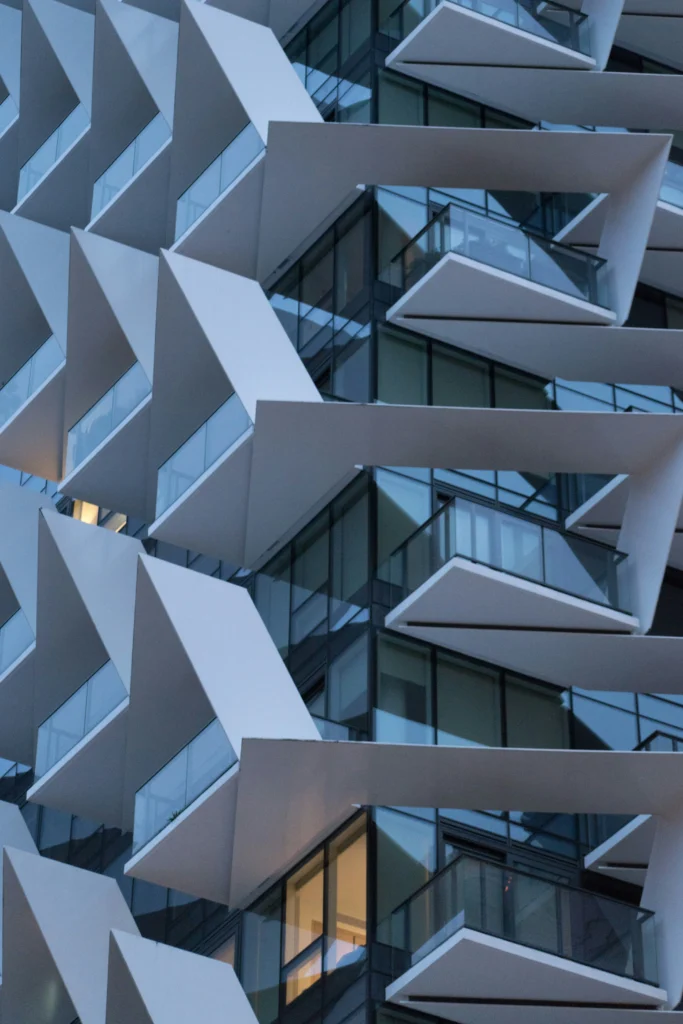
Glass stays a top choice for modern facades. It links inside areas to the world outside. New coatings now pick and choose what light gets through. They block heat rays at the same time. Low-emissivity (Low-E) glass keeps rooms comfy. It cuts down on bright glare too. But big sheets of glass need careful planning. They can get too hot or lose heat based on which way they face.
Metal Panels for Precision and Flexibility
Aluminum composite panels (ACP) and stainless steel covers give options for tricky shapes. They hold up well against rust. Shiny surfaces play with light all day. This makes buildings look alive as the sky changes. Builders often pick treated finishes or painted layers. These keep colors steady for many years. I recall a project in a rainy city where such panels stayed bright after five tough winters—no fading at all.
Stone and Terracotta for Timeless Texture
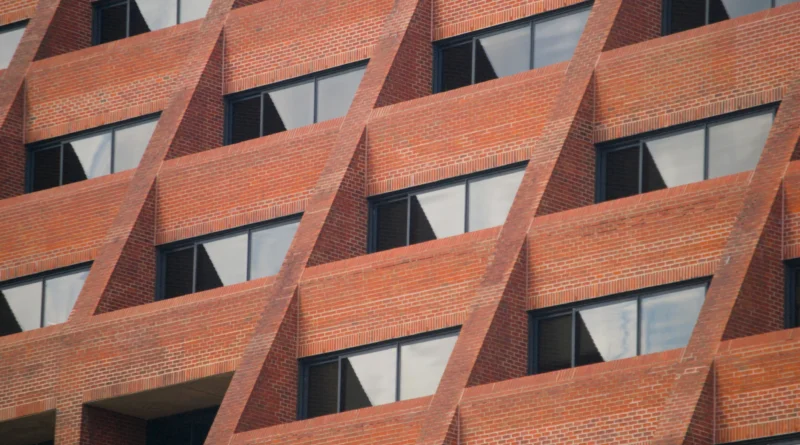
Real stones like limestone or granite add a touch you can feel. They offer more warmth than fake stuff. Terracotta panels are back in style now. They work as green picks because you can recycle them. They use less energy to make than metals or plastics. These panels also insulate naturally. That helps with simple designs that save power. In one office block I heard about, terracotta cut heating bills by 15% in the first year.
What Role Does Technology Play in Contemporary Facade Systems?
Tech has changed facades in big ways. It makes them work better and connect with people. Smart setups now control shade, air flow, and lights right away. Sensors link into the building’s main control system for this.
Dynamic Facade Systems
Dynamic facades shift on their own. They react to sun strength or how many people are around. Electrochromic glass turns dark in bright sun. It goes clear when clouds come or at night. This cuts the need for extra shade tools. Imagine a sunny afternoon in a glass office— the windows adjust without anyone touching them, keeping the room just right.
Parametric Design Tools
Parametric modeling lets architects try out lots of ideas fast. They do this on computers before building starts. By tweaking things like sun paths or wind force, designers guess how each choice will feel inside. They see this long before making real models. It’s like playing with building blocks digitally, but with real math behind it.
Integration with Renewable Energy Sources
Some facades do double duty. They make power from the sun. Thin-film solar cells fit into glass units or metal covers. These not only create electricity. They also show a clear push for green ways. That’s key for how buildings brand themselves today. For instance, a hotel in California uses these to power lobby lights, saving thousands in bills each year.
How Do Sustainability Standards Influence Facade Choices?
Green rules like LEED or BREEAM shape picks from the start. They guide materials and how systems are built.
Life Cycle Assessment of Materials
Teams now check materials over their full life. This is life cycle assessment (LCA). It looks at harm to the earth from digging up stuff to throwing it away. Metals like aluminum do well because you can reuse them in loops. Concrete mixes might need plans to balance carbon if used a lot. It’s not always straightforward—sometimes local rules add extra steps, like in Europe where recycling quotas push for certain picks.
Passive Design Integration
Passive ways help cut reliance on machines. They boost how good people feel inside too. Windows aimed for best light save power. Shade fins set by computer checks keep heat steady over months. In a school project, this meant kids had brighter rooms without extra lamps, and bills dropped noticeably.
Compliance with Green Building Codes
Cities often require base levels for energy in new builds. Take New York City’s Local Law 97. It sets tight limits on carbon per square foot by 2030. This drives folks to use top envelope designs. Think triple-glazed units and tight seals. Meeting these isn’t just about rules—it’s about future-proofing against rising energy costs.
How Do You Balance Aesthetics with Functionality?
Mixing good looks with real-world use is an old puzzle in building design. A pretty facade won’t last if weather beats it down. Or if upkeep eats up too much money over time.
Functional Minimalism
Simple styles focus on straight lines. But they tuck away smart engineering inside. Hidden fasteners, built-in water paths, and heat stops all stay out of sight. Yet they keep things strong for years. This approach shines in high-rises where every detail counts against wind or rain.
Adaptive Aesthetics
Some works use changing looks. Movable panels shift during the day. They control light in work spaces or show areas without people helping. It’s like the building breathes with the weather, adding a lively touch that static designs miss.
Maintenance Considerations
Cleaning ease counts big for tall spots. Getting up high costs a lot over time. Coatings that repel dirt on glass mean less work. Modular panels make swaps simple after storms or rust hits. In coastal spots, this saves headaches—I’ve seen buildings there look new after a decade with the right setup.
What Are Emerging Trends in Future Facade Development?
The coming years will blend building design, data work, and fresh materials more. Buildings will act like living systems, not just fixed covers. It’s exciting, though not without challenges like higher upfront costs.
Bio-Based Materials
Scientists test plant-based mixes from things like algae or mushroom roots. These make light options that trap carbon while growing. Before making them into parts, they help the air. Early tests show promise, but scaling up for big projects is the next hurdle.
AI-Driven Climate Simulation
AI tools now check small weather effects at ground level. They help guess how new facades change comfort for walkers. This covers bounced heat or air flows. It’s a big deal in packed cities like Hong Kong or London. One study in London found certain facades cooled streets by 2 degrees Celsius—small but noticeable on hot days.
Circular Construction Principles
Plans for easy take-apart let panels get reused later. No waste from tearing down. This fits round economy ideas that Europe pushes hard since 2021, per European Commission info. It’s practical—think of it as Lego for buildings, where parts snap back into new uses.
FAQ
Q1: What Is a Building Facade Made Of?
A: Common materials include glass, metal composites such as aluminum panels, natural stone like granite or limestone, terracotta tiles, fiber cement boards, and even photovoltaic modules integrated into curtain walls depending on climate needs.
Q2: How Does a Double-Skin Facade Work?
A: It consists of two layers separated by an air cavity allowing controlled ventilation between them; this buffer zone improves insulation during winter while enabling passive cooling during summer months.
Q3: Why Are Glass Facades Popular Despite Energy Concerns?
A: They provide transparency connecting occupants visually with surroundings while advanced coatings minimize unwanted heat transfer making them suitable when paired with smart shading controls.
Q4: What Maintenance Challenges Do Metal Claddings Pose?
A: Metals expand under temperature fluctuations requiring flexible joints; surface oxidation must be managed using protective finishes ensuring appearance longevity especially near coastal areas exposed to salt air.
Q5: Can Sustainable Facades Be Cost-Effective Long-Term?
A: Yes—though upfront costs may be higher due to specialized components energy savings over time combined with reduced HVAC loads typically offset investment within five to ten years according to industry analyses published by ASHRAE (2022).