
What Makes A Great Facade Design
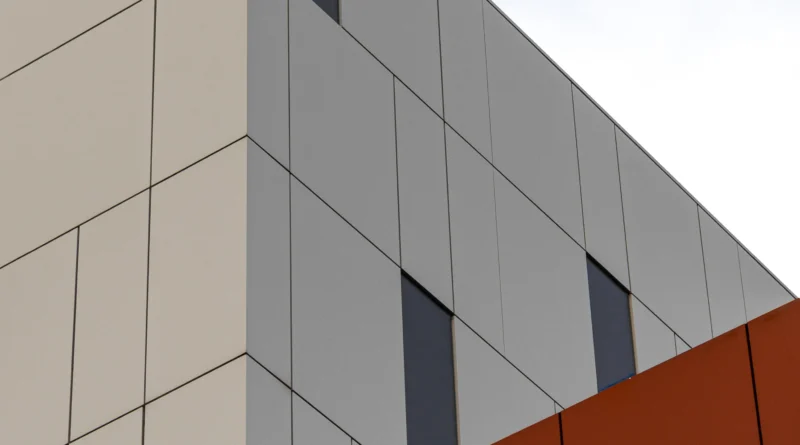
A building’s façade is more than its outer shell. It’s the first impression. It’s the identity. And it’s often the most key part of how architecture connects with people. When you look at a city skyline or a historic street, the façades tell stories of time, culture, and technology. For folks in architecture and construction, façade design isn’t just about looks. It’s about how well it works, how green it is, and its lasting worth. This piece looks into what really makes a strong façade design. We’ll cover both the pretty side and the practical side.
Why Is Façade Design Important?
Façade design has a big role in shaping how a building shows its purpose. It also helps it fit into its surroundings. The façade works as an environmental filter. At the same time, it’s a visual statement. A good façade can cut down on energy use. It can make people inside more comfortable. Plus, it can boost the building’s value. I’ve seen projects where a smart façade turned a plain structure into something special, like in busy downtown areas where every inch counts.
Architectural Identity
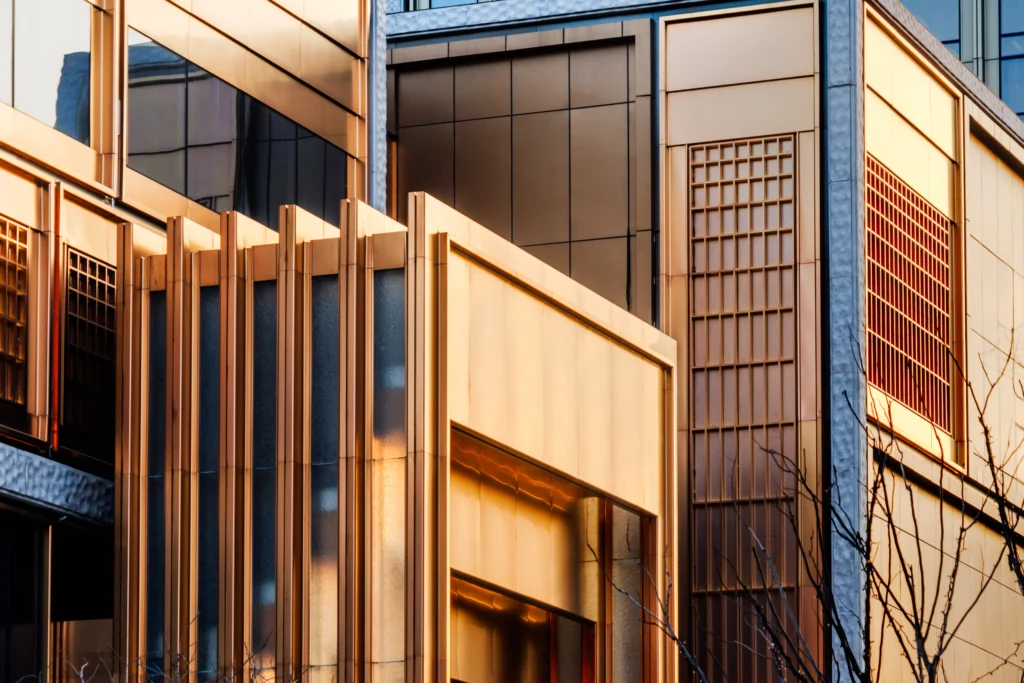
A façade sets the architectural character. It shows the idea behind the structure. This could be simple glass panels for modern office towers. Or it might be rough stone work for cultural spots. The pick of materials and sizes reflects style. It also shows care for the setting. For instance, today’s architects use parametric design tools. These help create façades that change with light or air flow. In one project I recall from a conference, a team used these tools to make a building that shimmered differently at dawn versus noon, adding a real sense of life to it.
Environmental Performance
Façades do more than look nice. They affect heat control and how daylight gets in. Strong façades include shading setups, double-skin builds, or air spaces that handle heat well. Studies in Building and Environment from 2022 show something clear. Adaptive façades can lower energy needs in office buildings by up to 35%. That’s compared to old fixed walls. Think about a hot summer day in a glass-heavy office—without good shading, folks inside sweat through meetings, but a smart façade keeps things cool without cranking the AC.
Urban Integration
A fine façade honors its spot. It mixes with local looks while keeping its own flair. In packed cities like Singapore or London, rules push designers to mix old heritage with new ideas. This mix calls for smart choices in materials and size. New buildings should add good things to the street view. For example, in London’s redevelopment zones, I’ve noticed how brick facades echo nearby Victorian homes but add modern twists like subtle LED lights for night appeal.
How Do Materials Influence Façade Design?
Choosing materials is a major choice in façade design. It sets how long it lasts, how much it costs, what upkeep it needs, and its look. Each material has its own traits. These change how light hits the surface. They also affect how the building holds up over years. Sometimes, picking the wrong one leads to surprises, like unexpected rust in rainy climates—lessons learned the hard way on job sites.
Glass Systems
Glass is still a top pick for today’s façades. It’s clear and easy to work with. New coatings, like low-emissivity (Low-E) layers, help control sun heat. They keep the view sharp too. Structural glazing lets you have smooth looks without seeing frames. But too much glass can make things too hot inside. You need shades or smart air flow to fix that. In a real-world case, a high-rise in Dubai used Low-E glass to stay cool in 50°C heat, saving tons on cooling bills each year.
Metal Cladding
Aluminum composite panels (ACP), stainless steel meshes, and punched sheets give lots of options for tricky shapes. They’re light but tough for big areas. Metal cladding lets you change colors with anodizing or powder coating. Upkeep is pretty low next to things like stone that soak up water. I remember a stadium project where perforated metal let in light but blocked wind noise—practical and eye-catching.
Stone And Concrete
Natural stone gives a sense of lasting strength and high-end feel. But it costs more and needs solid support. Precast concrete panels give the same toughness for less money. They allow detailed textures from molds or treatments like acid etching. Now, many architects pair stone covers with insulated backs for better heat control. On a historic renovation in Europe, they mixed old stone with new concrete to match the look while fixing energy leaks—blending old charm with fresh efficiency.
What Role Does Technology Play In Modern Façade Design?
Digital tools have changed how we plan, check, and build façades. Computer models let you control shape and how it performs before any work starts. It’s like testing in a virtual world first, which saves headaches later.
Parametric Modeling
Software like Rhino + Grasshopper helps tweak shapes based on real data. Things like sun paths, wind push, or sound bounce. This way, façades respond to what they need. They don’t just follow random pretty ideas. In practice, a team in Australia used it for a coastal building. The panels adjusted for salty winds, lasting longer than standard designs.
BIM Integration
Building Information Modeling (BIM) links façade parts with the building’s frame. It does this in real time with engineers and builders. This cuts mistakes during setup by playing out the build steps on screen first. For huge jobs like airports or stadiums, BIM keeps all the panels matching up. Take the Beijing Olympics stadium—BIM helped coordinate thousands of unique pieces without major mix-ups on site.
Smart Façade Systems
New tech includes moving façades with sensors. These shift slats based on sun strength or heat levels. Such active covers save power. They also make the building look alive as the day goes on. It’s fascinating how in Tokyo offices, these systems open and close like flowers, cutting energy use by 25% in tests.
How Does Sustainability Shape Façade Decisions?
Being green isn’t a choice anymore. It’s a must for good architecture now. The façade is a key spot between inside comfort and outside weather.
Energy Efficiency
Insulated glazing units (IGUs), air-gap walls, and heat breaks in frames cut down on warmth moving through. U.S. Department of Energy data from 2023 points this out. Well-wrapped façades can drop heating and cooling bills by up to 40% each year in mild weather areas. In everyday terms, that means lower utility costs for owners and less strain on the grid during peak hours.
Material Lifecycle
Green design thinks about the full life of materials. This includes carbon from digging them up to throwing them out. Metals like aluminum that you can recycle do great here. They keep their quality after many uses. Wood cladding from checked forests gives a fresh option. Just keep it dry to avoid rot. Interestingly, some projects reuse old metal from factories, adding a story of second chances to the build.
Water And Air Management
Water from rain can hurt the structure and insulation if not handled right. Today’s façades have drain spaces behind the front layer. This keeps moisture away from main walls. Tight seals stop extra air from sneaking in. That would otherwise make heating systems work harder. In flood-prone spots like Florida, good drainage has saved buildings from mold issues that plague poorly planned ones.
How Can A Façade Reflect Cultural And Social Values?
Buildings speak more than just use. They show what society cares about right now.
Local Craftsmanship
Adding local skills to façade parts builds community ties. It also helps local jobs. Think of carved stone screens in Middle East builds. Or bamboo grids in Southeast Asia spots. These show old ways working with new tech. In a village project in India, local carvers added patterns to a school façade, making kids proud of their heritage every day they walked in.
Symbolism And Storytelling
Façades can be like story boards. Perforated metal with patterns from local art or history carved in works well. These touches link people to the place’s past. It’s not just walls; it’s a nod to roots. One museum in Mexico used Mayan-inspired cuts in concrete, drawing visitors who felt the history before even entering.
Inclusivity Through Design
Façades that everyone can use matter a lot. Clear entrances welcome all. Textured surfaces help those with sight issues. Shade setups make it comfy for anyone, no matter their background. In public buildings, this openness builds trust—simple changes like ramps hidden in the design make a big difference for families with strollers or wheelchairs.
What Are The Common Challenges In Façade Design?
Even pros run into tough spots when making building covers that hit many goals at once.
Balancing Cost And Performance
Top materials cost extra. But skimping on façade quality often means big repair bills later. These beat any early savings. Smart planning for value should focus on long-term gains, not just the budget now. From experience on mid-size projects, swapping a cheap panel for a durable one paid off in five years flat.
Managing Technical Complexity
Designs get trickier with curves or mixed materials. So, teams of architects, engineers, makers, and fitters must talk clearly. A slip here can delay the job and cost a lot. In one high-end hotel build, a small misread drawing led to redoing 200 panels— a reminder to double-check every step.
Adapting To Climate Variability
Weather changes around the world call for façades that handle wild swings. Like hot spells one year and heavy rains the next. Designers now use piece-by-piece systems. These let you swap or update parts without tearing down the whole thing. In California, modular façades have helped homes survive wildfires by allowing quick fire-resistant swaps.
FAQ
Q1: What Is The Primary Purpose Of A Building Façade?
A: It shields the inside from outside weather. At the same time, it shows the building’s style through materials and size choices.
Q2: Which Material Offers The Best Balance Between Cost And Durability?
A: Aluminum composite panels generally hold up well against rust. They cost a fair amount, which fits commercial work nicely.
Q3: How Does A Double-Skin Façade Work?
A: It makes an air space between two layers. Natural air flow there helps control heat shifts over the seasons.
Q4: Can Traditional Materials Be Used In Modern Sustainable Designs?
A: Yes. You can mix natural stone covers or wood strips with new insulation. This keeps the old feel while boosting energy savings.
Q5: What Software Tools Are Most Commonly Used For Façade Simulation?
A: Rhino + Grasshopper for shaping forms and Autodesk Revit for BIM work are top picks in pro offices around the globe.