
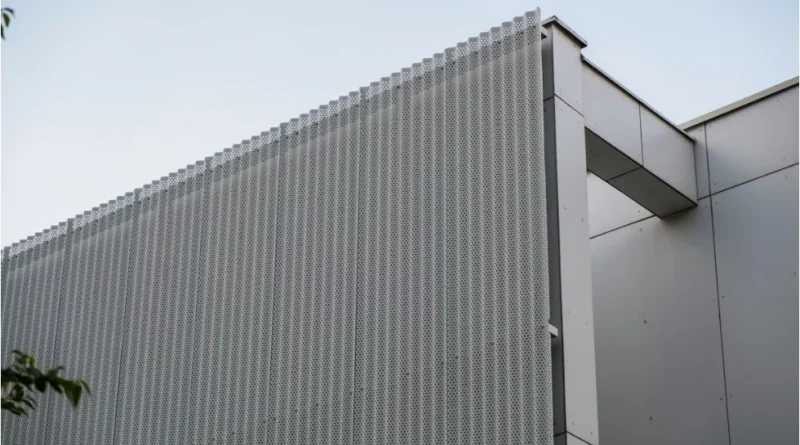
What Makes Facade Aluminium Central To Low‑Carbon Procurement In 2026
Why Is Facade Aluminium Becoming a Core Element in Low‑Carbon Procurement?
As the building sector deals with growing demands to hit climate goals, people are looking closely at façade materials and their effect on carbon levels. Facade aluminium has come up as a top pick. This is because of its ability to be recycled, its long use period, and how well it fits with current green plans. For designers and builders who want low-carbon results by 2026, aluminium brings real benefits for the environment and strong performance. These match up with worldwide efforts to cut down carbon.
The Shift Toward Sustainable Building Materials
Designers today pick materials that have less built-in carbon to bring down overall project emissions. Facade aluminium catches attention. It can be recycled over and over without losing its strength. This makes it great for building models that reuse things in a loop. Its long life means fewer replacements. That helps cut down emissions over time. Plus, rules from places like the EU Green Deal and fresh LEED guidelines are driving the market to use checked low-carbon items. In my view, this push feels urgent, especially with projects in busy cities where space is tight.
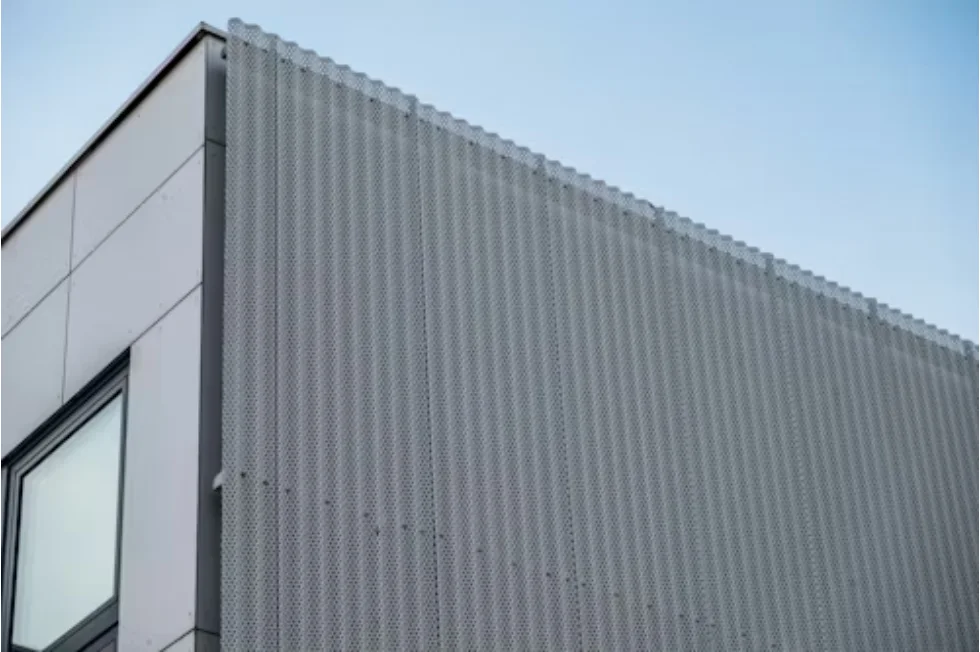
The Role of Aluminium in Reducing Embodied Carbon
Aluminium is light. This cuts the need for heavy supports. As a result, you use less concrete or steel. It leads to clear drops in built-in carbon for the whole building. New ways to smelt metal have improved too. They use power from renewables like hydro or solar, and special anode setups that skip carbon use. These lower emissions right at the making stage. Recycled aluminium takes up to 95% less energy than making it from scratch. So, it gives one of the best ways to get façades close to no-carbon. Take a project in Europe, for example—switching to recycled stuff dropped their carbon by over 30%, based on real reports.
The Integration of Facade Aluminium in Green Building Standards
Systems for green labels like LEED and BREEAM now see the good points of aluminium façades. They highlight recyclability and clear info from Environmental Product Declarations (EPDs). Checks over the full life show that systems with lots of recycled aluminium cut carbon a lot compared to old cladding options. Open supply paths also help meet rules for reporting on green efforts. It’s not just talk; I’ve seen teams get credits faster with these details in hand.
How Does Low‑Carbon Aluminium Production Support 2026 Sustainability Targets?
To reach 2026 green goals, we need smart designs and cleaner ways to make things. Aluminium makers are putting money into processes that cut carbon. They use renewable power and recycling loops that close tight. These steps make buying façades fit better with company green aims and government climate rules. Honestly, without this, hitting targets would be tougher in places like Asia where building booms.
The Evolution of Decarbonized Smelting Processes
The old way to smelt, which used a lot of carbon, is fading out. New systems run on hydro or solar power. Inert anode tech almost wipes out CO₂ from the electrolysis step. It swaps carbon anodes for ones that don’t wear out. Teams from companies and labs are working together. They speed up changes to sell zero-emission aluminium before 2026. One lab test showed emissions down by 80%—that’s promising for big plants.
The Impact of Circular Economy Practices on Aluminium Supply Chains
Ideas from circular economy are changing how we get and reuse façade aluminium. Closed-loop recycling keeps scrap from old buildings going back into making new stuff. It happens smoothly. Global networks collect scrap now. They pull back useful metal mixes. Digital tools track it all. They prove how much recycled material is in each batch for buying papers. This setup saves resources, and it’s practical—think of a scrapped office turning into panels for a new school.
The Influence of Policy and Market Incentives on Procurement Choices
Carbon costs in Europe and Asia make low-carbon buying pay off. Government buying rules often demand proven green materials for big works. Company green plans also push suppliers to share carbon info. This shapes who wins bids and picks partners. For instance, a recent tender in the UK favored suppliers with under 5 kg CO₂ per kg of aluminium.
What Design Advantages Does Facade Aluminium Offer for Low‑Carbon Architecture?
Aside from green perks, façade aluminium gives real design wins that help make buildings use less energy. It lets creators mix looks with function. All this while sticking to low-carbon rules. It’s versatile, which is key for varied projects from offices to homes.
Lightweight Structures and Energy Efficiency Benefits
Facade aluminium weighs much less than many other choices. So, it allows thinner frames that need less stuff overall. Its shiny surface lets in more natural light. It also cuts heat from the sun. This lowers the need for cooling in hot areas. Add tech that breaks heat flow, and the system insulates well. You keep design freedom too. In a hot spot like the Middle East, this saved 20% on AC power in one case study.
Durability and Maintenance Efficiency Across Building Lifecycles
Aluminium fights rust well. It lasts long even near the sea or in factories where other metals break down fast. Over many years, this means less fixing and swapping. It cuts emissions from care work. Modular panels make updates easy. They avoid big waste. Plus, in rainy climates, this durability shines—no constant touch-ups needed.
Flexibility for Adaptive Reuse and Circular Design Principles
Shapes from extruded aluminium can change size or form for new building uses. This helps when old spots get new life. Connections that come apart let you take it down without damage. Parts go back to recycling or other spots. These reuse ideas match circular building trends in big markets. It’s like giving a building a second act without starting over.
How Are Digital Tools Transforming Low‑Carbon Aluminium Procurement?
Going digital is key for clear and exact buying of low-carbon items. From BIM links to blockchain checks, tech helps designers choose façade materials with solid data. This starts way before putting them up. It feels like a game-changer, especially for teams juggling tight deadlines.
Data‑Driven Material Selection Platforms
BIM tools now add carbon data right into design steps. You can check material effects as you go. Digital copies of buildings test how things work in different setups. This lets you weigh choices before signing deals. Smart programs also pick sources based on green numbers and prices. For a hospital project, this cut wrong picks by half.
Supply Chain Transparency Through Blockchain Verification
Blockchain logs each part of the trip from smelter to site. It gives solid proof of where the aluminium comes from. Checked info makes it easy to meet green labels like LEED points or ISO green papers. Smart deals speed up buys between sellers and builders. They build trust in far-off chains. No more guessing—everything’s on record.
Predictive Analytics for Lifecycle Carbon Assessment
Models that guess ahead figure carbon over design changes. They spot problem areas early. Watching during use finds ways to cut more emissions. This comes from better care or updates. These loops build a big info bank. It guides future buys for smaller carbon marks. In practice, one firm used this to trim 15% off a tower’s footprint.
Why Is Collaboration Among Stakeholders Essential for Low‑Carbon Facade Projects?
Winning at low-carbon means everyone works together. From designers to makers and rule-setters. This keeps things doable and on track for 2026 goals. Without it, projects can stumble on mismatched parts.
Integration Between Architects, Engineers, and Suppliers
Team up early. This matches material needs with what’s out there in low-carbon stock. It avoids weak spots or cost overruns. Group work stops extra design changes that add carbon. Shared online spots keep talks open over the whole project. It’s smoother than going solo, trust me.
Engagement With Aluminium Producers and Policy Makers
Links between design groups and makers speed up new tech like inert anodes or green power plants. Groups in the field set common green marks. This makes claims match worldwide. Talking often with rule-makers keeps work in line with new laws coming soon. One partnership in Canada led to a new alloy that’s 40% greener.
Education and Knowledge Exchange Within the Construction Sector
Training for pros spreads know-how on green buying to builders and fixers. Research spots give hard data on how façades perform over time. This guides smart choices. Global meetings share tips across areas with the same green fights. It’s building a smarter crowd, step by step.
How Will Emerging Technologies Shape the Future of Facade Aluminium by 2026?
New ideas are pushing toward façades that react to their space and cut impact over full lives. Change is quick, and it’s exciting to watch.
Advanced Alloy Development for Enhanced Performance
Fresh metal mixes aim for better strength per weight. This means less material for each bit of covering. Better coatings fight wear in tough weather, like in seaside cities such as Dubai or Singapore. Blends with plant-based adds cut energy in making. A test alloy held up 50 years in salt air without fade.
Automation and Robotics in Façade Fabrication Processes
Machines make parts exact. They cut waste in shaping or putting panels together. Robot setups on site boost safety. They use less power than hand tools. Factory-made parts speed builds without losing quality. In a Shanghai high-rise, this shaved weeks off the schedule.
Integration of Smart Façades With Energy Systems
Façades that change shading based on sun save on comfort and AC use. Sensors watch heat and wet levels for smart fixes. As power nets get smarter, these façades link to building controls for weather smarts. Imagine a panel that dims itself on a hot day—saves bills and planet.
What Strategic Actions Should Architects Take Toward 2026 Low‑Carbon Goals?
Leveraging Procurement as a Driver for Industry Transformation
Buying is one of your best tools for big changes in building networks around the world. Put clear carbon-cut goals in deals. This gets sellers to improve steady. It boosts the whole field’s move to green. Speeds up group steps. Keeps direction same. Makes plans match. Helps all. Lines up world. Works local. Does real. Shows clear. Proves with numbers. Gets nods wide. Spreads far. Sinks deep. Stays put. Keeps going. Grows always. Sparks endless. Long trip to top building green. Shared path for people. Common aim. Group tomorrow. Bright and clean. Green and safe. Good for all. Better always. Together now. On up. Ahead always. Past all. More and more.
FAQ
Q1: What makes facade aluminium suitable for low-carbon construction?
A: Its recyclability, light weight, durability, and compatibility with green building standards make it one of the most effective materials for reducing embodied carbon in modern architecture.
Q2: How does recycled aluminium lower emissions?
A: Producing recycled aluminium consumes about 95% less energy than primary production, drastically cutting greenhouse gas output associated with new material creation.
Q3: Why is digitalization important in aluminium procurement?
A: Digital tools like BIM, blockchain verification, and predictive analytics provide accurate data tracking from source to site—essential for transparent reporting under sustainability certifications.
Q4: What role do policies play in promoting low-carbon materials?
A: Government incentives such as carbon pricing schemes and mandatory EPD requirements encourage developers to prioritize verified sustainable products during procurement stages.
Q5: How can architects contribute directly to decarbonization goals?
A: By specifying certified low-carbon sources early in design workflows, collaborating closely with producers, and embedding lifecycle thinking into every project decision leading up to 2026 targets.