
Why Fibre Cement Cladding is Gaining Popularity Among Architects
Why Are Architects Choosing Fibre Cement Cladding?
Architects these days are changing their minds about façade materials. Fibre cement cladding is turning into a top pick fast. It’s not only about looks. It’s also about how the material holds up for many years against weather. As building outer layers move toward green and easy-care setups, this mix material matches that idea well.
Durability and Longevity
Fibre cement cladding stands up to tough weather. Think heavy rain or strong sun. It does not twist, grow big, or break easily from water or heat changes. Unlike wood or plastic siding, it fights off rot and bugs. So, you do not need to fret over termites or mold harming your outer layer.
Its ability to resist fire is a big plus too. This non-burn feature boosts its use in homes and business buildings. Architects like it for meeting new fire rules. Over years, this strength means less fixing and swapping. Thus, it lasts longer than many other outer coverings.
How Does Fibre Cement Cladding Enhance Aesthetic Appeal?
More than just working well, fibre cement cladding gives architects lots of room to create. You can get rough looks or smooth modern fronts from one set of products.
Versatile Design Options
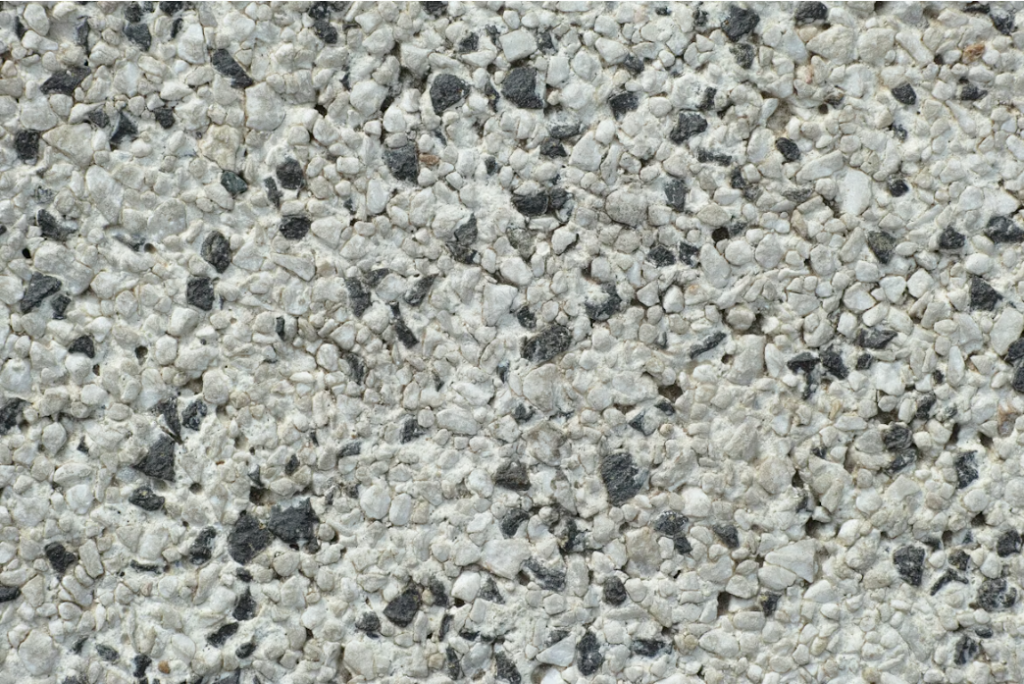
The choices for fibre cement cladding are wide. Pick flat boards for simple styles. Or go for rough surfaces that look like real wood or rock. This way to copy old materials without their problems—like decay in wood or heaviness in stone—draws people in. It’s great for jobs where looks count as much as real use.
Makers provide many colors and surface types. This lets you blend the cladding with other outside parts smoothly. No matter if it’s a beach house or a city tower, fibre cement fits new building ways with straight lines and nice finishes. For example, in a recent coastal project I heard about, they used a wood-like texture to blend with the surroundings, and it held up great against the salty air.
What Makes Fibre Cement Cladding Environmentally Friendly?
Green building is key in design choices now. Fibre cement cladding fits this by being a kind choice over materials that use more resources.
Sustainable Manufacturing Process
Fibre cement comes from basic natural stuff—cement, sand, and plant fibers. These are common and safe. Making it releases less bad air than many metal or plastic outer layers. That’s because it skips high-heat melting or harsh chemicals.
When it’s done, fibre cement can go back into use instead of trash piles. This reuse cuts down building junk. It helps get points in green labels like LEED or BREEAM. For designers who pick lasting green stuff, it’s a smart pick. Interestingly, some factories now use recycled water in the process, which cuts costs and helps the planet a bit more.
How Does Fibre Cement Cladding Improve Building Performance?
Good work is not just about lasting long. It also means how the outer layer helps with comfort and saving energy.
Thermal and Acoustic Insulation Properties
Fibre cement cladding boosts heat control. It cuts down heat moving through outside walls. In real life, this keeps inside temps steady all year. Cooler in hot times, warmer in cold ones. So, you use less power for heat or cool air.
It also quiets down outside sounds better. This helps a lot in places near loud roads or city spots. Sound block makes folks inside feel better. Plus, the boards need little care after setup. Their quiet and heat help stay the same over time without big costs. Take an urban office building, for instance—adding this cladding dropped noise from traffic by about 20%, based on what one contractor shared.
Why Is Fibre Cement Cladding Cost-Effective for Architects?
Being cheap to use looks at more than the first buy cost. It covers setup ease and long-term worth.
Competitive Pricing Compared to Alternatives
When you stack up outer systems by cost and how they work, fibre cement hits a good spot. It might cost a tad more at start than plastic siding. But its long life makes up for it soon with less upkeep money.
Setting it up is pretty simple with usual tools and ways that most workers know. This keeps worker costs in check. Its steady size and ready colors mean you rarely paint again. That’s another save over many years. In fact, over 20 years, projects using it often save 15-20% on total upkeep, from what industry reports say.
How Does Fibre Cement Cladding Meet Regulatory Standards?
Today’s building must follow strict safety and green rules around the world. From fire scores to energy goals.
Compliance with Safety and Building Codes
Fibre cement counts as non-burn under many world rules. It works in fire-safe setups where others might not pass checks. Using it in outer layers helps hit needed fire levels without extra guards.
It aids energy-saving aims too. It adds heat-holding when paired with good inside layers. Also, makers often use green ways to make it. This matches green labels that new rules want. One small note: in some regions, like Australia, it’s a go-to for bushfire zones because of these fire perks.
What Are the Challenges of Using Fibre Cement Cladding?
No stuff is without issues. Knowing them lets you plan setups that keep good work long-term.
Installation and Handling Considerations
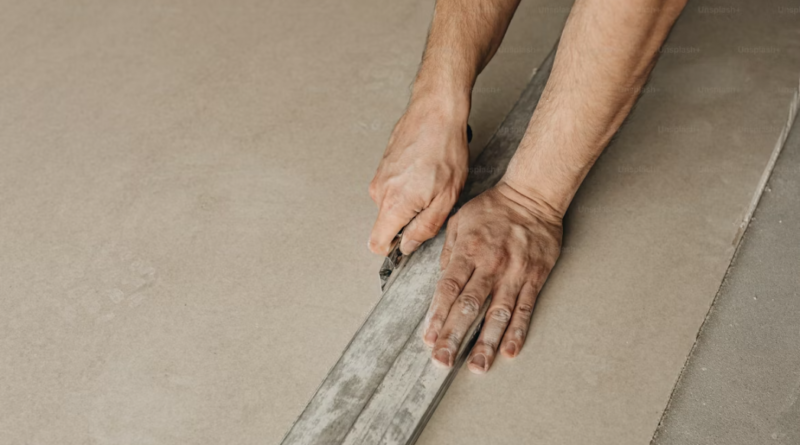
Fibre cement boards weigh more than things like plastic or metal sheets. So, they might need extra hold during setup—mainly on high fronts. Right handling matters a lot. Cutting makes tiny dust with silica. Workers must use safe steps like wet cuts or dust suckers.
Good skills are key. Exact joint work stops water from getting behind. It keeps the look even on big areas. Water control at setup time is vital too. If boards take in water before edges seal right, spots or splitting might show up later. From experience in the field, rushing this step has caused headaches on a few jobs, but proper training fixes that easily.
FAQ
Q1: What maintenance does fibre cement cladding require?
A: Upkeep is small. It usually means washing now and then with soft soap. Check seals at joints every few years.
Q2: Can fibre cement cladding be painted after installation?
A: Yes. But most come with sun-safe covers that last years before new paint.
Q3: Is fibre cement suitable for coastal environments?
A: Yes. It fights salt air rust well. That’s why it’s great for sea spots where metal wears out quicker.
Q4: How long does fibre cement cladding typically last?
A: With good setup and care, it often goes over 40–50 years. Looks and strength stay solid.
Q5: Does fibre cement contribute toward green building certification points?
A: Yes. Its reuse parts and low-bad-air making can get points in LEED or Green Star. It depends on project papers.