
Why Is Glass Facade So Popular in Modern Buildings
Modern architecture has changed a lot over the last few decades. One clear sign of this shift is the widespread use of glass facades. You see them on tall skyscrapers in New York. They also appear on creative office towers in Singapore. Glass stands out as a sign of openness, smart energy use, and a fresh look. Yet, its charm goes beyond just how it looks. There are solid technical reasons and green benefits that make architects and builders pick glass facades. This piece dives into those points. It aims to show why this style keeps growing in popularity. Think about it—walking past a shiny glass building always feels a bit futuristic, right?
What Makes Glass Facades Architecturally Appealing?
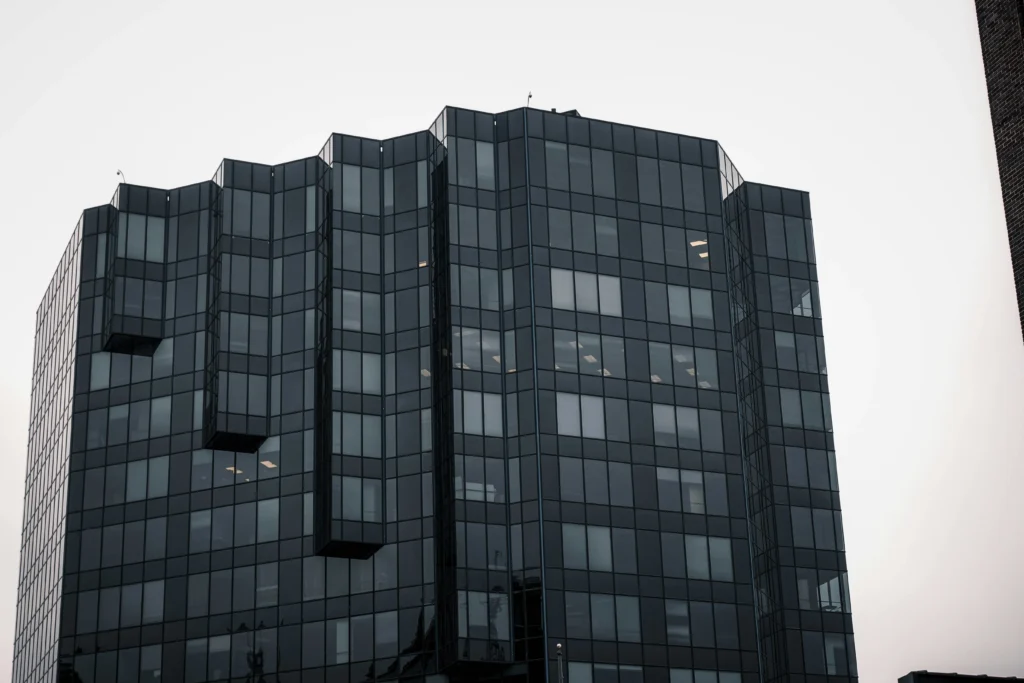
The way a glass facade looks often grabs people’s eyes first. Builders like it for its straight lines. They also value how it plays with light and open areas. The smooth way it mirrors the world around it builds a lively link between the structure and its surroundings. In busy city spots, this can make a big difference.
Transparency and Light Transmission
Glass facades let sunlight flow far into the rooms inside. This cuts down on the need for electric lights during the day. As a result, spaces feel brighter and more welcoming. Plus, the clear view from inside to outside boosts how people sense the size of a room. It makes areas seem bigger than they really are. For example, in a typical office setup, workers might enjoy that extra natural glow without flipping on overhead bulbs.
Modern Aesthetic Appeal
The simple style of glass matches well with today’s building ideas. These ideas focus on plain designs and open feelings. Look at places like Apple’s headquarters. Or consider London’s Shard. Such buildings show how glass can shape a whole look. At the same time, it keeps a touch of grace. It’s no wonder designers keep turning to it for that sleek vibe.
Integration With Urban Environments
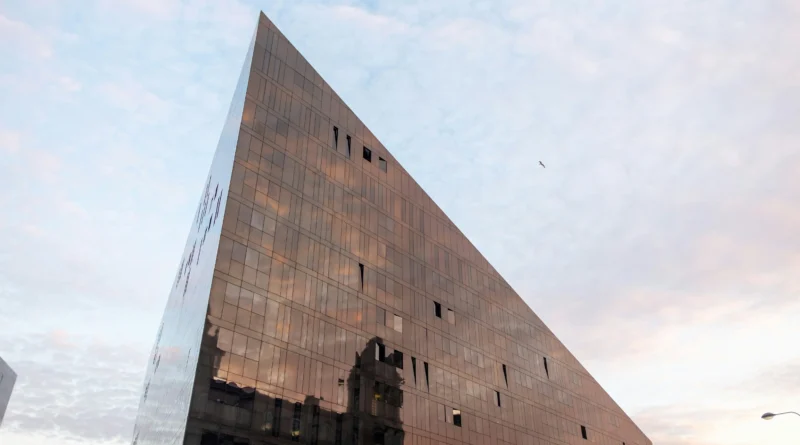
In crowded city zones, glass bounces back images of nearby buildings and the sky. This helps big towers fit into the scene. They don’t stick out too much. Instead, the mix of mirrors and clear views creates a smoother city outline. I’ve seen this in places like downtown Toronto, where glass buildings make the skyline feel connected rather than jumbled.
How Do Glass Facades Contribute to Energy Efficiency?
People once knocked old glass buildings for losing heat in winter or getting too hot in summer. But now, new facade setups use smart tech to boost energy savings. Experts view the facade as an active part of the surroundings. It is not just a basic shell anymore. These changes have made a real difference in daily power use.
Double-Glazing and Low-E Coatings
Double-glazed units hold air or special gas between two sheets of glass. This setup slows down heat movement. Low-emissivity (Low-E) coatings push back heat rays. Yet, they let in the light we see. So, rooms stay cooler when it’s hot outside. They also feel warmer during cold spells. In practice, a building in a sunny spot like Dubai might save up to 30% on cooling costs with these features, based on common industry reports.
Solar Control Systems
Some facades feature special glass that changes shade with the sun’s strength. Others add covers or dotted patterns to cut down on bright spots. All this happens without blocking the daylight. It’s a practical way to handle light in varying weather. For instance, during peak summer afternoons, these systems keep glare low while letting in soft light.
Thermal Break Frames
Metal frames can pass heat quickly from outside to inside. However, thermal breaks act as insulators in the frame design. They stop unwanted warmth or chill from spreading. This simple addition helps maintain steady indoor temps. Builders often note how it pays off over time in lower utility bills.
Why Are Glass Facades Important for Sustainability?
Green building practices matter more than ever around the world. Glass facades play a key role here. They help with better energy use. They also lower harm to the planet. On top of that, they support how people feel inside the space. It’s interesting how something so clear can make such a big environmental impact.
Daylighting Benefits
Bringing in more daylight means less power for lights. Research points out that natural light lifts worker output. It also raises comfort. In schools or homes, kids or families often perk up with that sunny feel. One study from a European group found daylight cuts lighting energy by 20-60%, depending on the building’s layout.
Recyclability of Glass Materials
Glass can get recycled fully. It keeps its strength after reuse. Many makers now add recycled bits into new sheets. This fits with ideas of reusing resources. It matches standards from groups like LEED or BREEAM. Over time, this habit reduces waste piles at landfills, which is a win for cities dealing with trash issues.
Compatibility With Renewable Systems
Glass facades work well with solar panels built right into the walls. Building-integrated photovoltaics (BIPV) turn side surfaces into energy makers. They keep clear spots where views matter. Imagine a high-rise in California generating its own power from the sun—it’s becoming more common as costs drop.
What Are the Structural Advantages of Modern Glass Facades?
New ideas in building strength have let glass serve as both a cover and a support in some spots. These steps open up more design options. They still meet safety rules. It’s amazing how far engineering has come to make glass reliable.
Laminated Safety Glass
Laminated panels have several layers stuck together with films like PVB or SGP. When they break, the pieces stick to the middle layer. They don’t scatter everywhere. This keeps things safe during hits or storms. In windy areas, this feature has prevented many accidents, as shared in builder forums.
Point-Supported Systems
Tools like spider fittings or cable setups hold big flat areas with few frame parts. This gives a light, open feel. Loads spread out well over key spots. It allows for wider views without heavy beams blocking the way.
Curtain Wall Engineering
Today’s curtain walls keep the main structure separate from the outer layer. They stand up to strong winds, water leaks, and shakes from earthquakes. Flexible ties follow global rules like ASTM E330 or EN 13830. In real tests, these systems hold firm, giving peace of mind to owners in shaky zones.
How Do Glass Facades Influence Indoor Comfort?
Good design thinks about how people feel inside, not just numbers or looks. Well-made glass setups balance heat, sound, and sight quality. They create a pleasant stay for users. Sometimes, it’s the small comforts that make a building great.
Acoustic Insulation Properties
Special laminated glass cuts outside noise by as much as 45 dB. The effect depends on how thick it is. This proves helpful near loud streets or flight paths. Office workers in such spots report fewer distractions and better focus.
Glare Reduction Techniques
Coatings that cut reflections or built-in shades keep light levels easy on the eyes. They protect views to the outdoors. In a conference room, this means presentations without squinting— a practical touch.
Indoor Climate Regulation
Paired with auto vents or temp sensors, strong glazing holds steady warmth inside. It works through changing seasons. This setup often leads to happier residents who don’t notice the weather swings as much.
What Challenges Come With Using Glass Facades?
Glass facades bring perks, but they need smart planning. Issues can pop up in setup costs or upkeep. Designers must watch these to avoid headaches later. It’s not all smooth sailing, but the effort usually pays off.
High Initial Costs
Top glazing tech, like triple layers or switchable glass, costs more at the start. It beats basic covers like aluminum panels in price. Yet, long-term savings often cover the extra spend. A project in Europe showed payback in five years through energy cuts.
Maintenance Requirements
Cleaning vast glass areas calls for steady care. Teams use hanging platforms or cleaning bots for tall spots. Skipping this can lead to dull looks or spots. Regular checks keep the shine, much like washing a car regularly.
Thermal Stress Risks
Sun heat on one side can cause cracks from strain. If joints for expansion miss details, problems arise. Early plans often overlook this. But with good installs, it’s rare—experts stress testing in hot climates like Arizona.
How Is Technology Shaping the Future of Glass Facades?
New tech keeps changing what glass can do in buildings. Future facades will focus on smarts through linked systems. They go beyond saving energy to active help. It’s exciting to think about buildings that “think” a bit.
Smart Glazing Innovations
Electrochromic glass shifts from clear to dark with electric power. Thermochromic kinds change on their own with heat. Both let users tweak comfort without extra tools. In hotels, guests love controlling their room’s light this way.
Integrated Sensor Networks
Sensors in the panels track sun strength or air gaps live. The info goes to building controls for quick fixes. This leads to better running over years. Data helps spot issues early, like in smart offices where alerts prevent small problems from growing.
3D Printed Structural Components
3D printing makes custom links or bars for exact needs. It cuts waste in making. This trend has grown among top facade teams since 2022, per Construction Dive reports (source: Construction Dive Report 2022). It allows unique shapes that fit odd building curves.
FAQ
Q1: What is the main purpose of using a glass facade?
A: It boosts the look while aiding natural light flow in buildings. Transparent covers link inner areas to the outside world without breaks.
Q2: Are glass facades environmentally friendly?
A: Yes. When built with energy-saving layers and reusable parts, they aid green aims. They lower energy needs over the building’s life.
Q3: How do architects manage heat gain through large glazed areas?
A: They use Low-E layers with shades or auto-tint tech. These adjust sun entry based on the building’s direction.
Q4: Can glass facades be used safely in earthquake-prone regions?
A: Absolutely. New curtain wall ties allow flex under shakes. They avoid breaks when checked by ASTM E2126 rules (source: ASTM International).
Q5: What future trends will dominate facade engineering?
A: Solar bits in clear layers plus AI watch systems for upkeep will lead after 2025. This comes from World Architecture Journal outlooks (source: WAJ 2023).