
Exploring Lake House Floor Plans in Canadian Timberframe Design
What Makes Canadian Timberframe Lake House Designs Unique?
Canadian Timberframe lake houses really shine because of their solid build quality, strong structure, and smooth tie-in with the outdoors. These homes go beyond simple building. Builders craft them with real care for the land, weather, and daily life around Canadian lakes. Mixing old timber framing ways with fresh design ideas makes spaces that last and work well. I remember seeing one up north where the wood just seemed to grow right out of the rocky shore—it’s that kind of feel.
Architectural Features of Timberframe Lake Houses
Timberframe lake houses usually show off bold roof shapes, high ceilings, and clear truss setups. These let the raw look of wood stand out. The style keeps a good mix between rough country feel and sleek modern touches. Big windows, high-up openings, and wide decks push living areas outside. They pull in full views of the lake. Different from regular builds, timberframe lets you span wide areas without walls holding up the weight inside. This gives room to shape open rooms just how you want. For example, in a 2,000-square-foot plan, you might fit a kitchen that flows straight into a seating area without any barriers.
Materials Used in Canadian Timberframe Construction
Builders pick materials for Canadian timberframe homes that hold up well and fit the local vibe. Douglas fir, western red cedar, and eastern white pine top the list. They give toughness plus a cozy look. These woods handle Canada’s changing weather fine. They fight off dampness, cold snaps, and years of wear. Lots of folks get timbers cut nearby. This cuts down on harm to the planet and helps local workers. One builder I heard about used cedar from just 50 miles away, which kept costs down and the wood fresh.
Integration of Natural Surroundings in Design
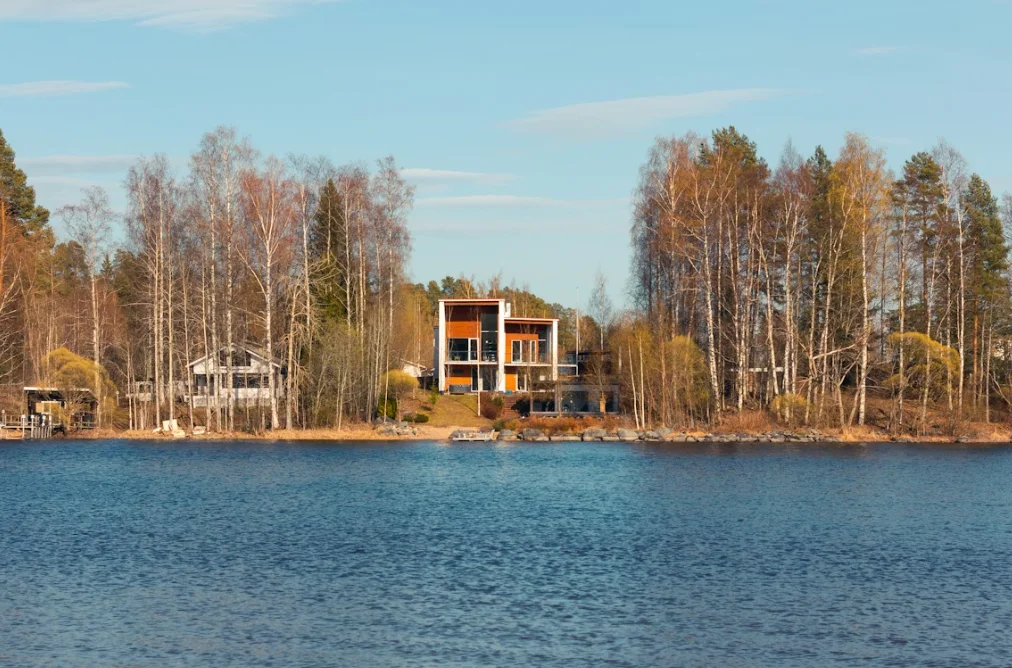
What sets Canadian Timberframe lake houses apart is how they fit right into the landscape. Designers point buildings to catch sunlight all day. At the same time, they keep things private and avoid messing up the area. Stone bases copy rocks nearby. Wood colors match the trees around. Glass sides reflect the lake like a mirror. This way of thinking turns each house into part of the spot, not something plopped down on it. Think of a place where the deck overlooks a quiet bay—it’s like the house is whispering to the water.
How Do Lake House Floor Plans Enhance Living Experience?
Lake house floor plans shape your days by the water in big ways. A smart layout boosts ease, usefulness, and easy moves between inside and out. It matches not just the build style but your routine too—how you hang out, chill, or have guests over. In my view, a good plan can turn a simple weekend into something special, like watching the mist rise over the lake from your breakfast nook.
Open Concept Living Spaces
Many lake house floor plans use open setups. They link the kitchen, eating spot, and sitting area into one big room. This setup builds closeness. Plus, it keeps your eyes on the view outside. You can fix a meal and still see kids splashing by the edge. Or you can have pals over without tight walls closing in. It’s practical for families; one plan I saw had a 20-foot span where everyone could chat during dinner prep.
Maximizing Views and Natural Light
Planners put windows in key spots to catch the best sights. Like the morning light on calm water or evening colors through the pines. Roof windows and sliding doors let in lots of sun. This cuts down on lights you need during the day. It looks great and saves on power bills. For instance, in Ontario spots, this setup can drop energy use by 15-20% in summer months.
Functional Outdoor Areas
Outside spots like decks that wrap around, bug-proof porches, or boat sheds add more room to use. They let you enjoy the place all year. Think summer cooks on the grill or winter nights by a fire outside. Good planning makes going from cozy inside to fun outside simple. One common add-on is a covered patio that seats eight comfortably, perfect for rainy days when you still want fresh air.
Why Choose Timberframe for Lake House Construction?
Going with timberframe for your lake house means picking a style and putting money into real skill that pays off over time.
Durability and Longevity of Timberframe Structures
Timberframe builds stand out for their great strength compared to how light they are. The way pieces lock together, like with mortise-and-tenon joints, makes them steady. They can last hundreds of years if you care for them right. Old Canadian spots prove it—some from the 1800s still hold strong. In harsh spots like British Columbia, these frames shrug off heavy snow without a hitch.
Energy Efficiency Benefits
Heavy wood beams hold heat well. This keeps the inside steady without much work. Add good insulation in the gaps, and you get homes that stay comfy through all seasons. It cuts down on bills for warmth, key in Canada’s chilly areas. Folks report saving up to 30% on heating in places like Alberta winters, where temps drop below zero for weeks.
Aesthetic Appeal of Exposed Timber
You can’t ignore how good exposed wood looks. Every beam has its own pattern from the tree it came from. It turns load parts into eye-catching pieces. The soft colors play nice with glass or rock details. This makes rooms feel solid but polished. Imagine a great room where the beams overhead tell a story of the forest they grew in—it’s warm and inviting.
How to Customize a Lake House Floor Plan?
Changing things up lets owners make their space fit just right. You keep the build solid and the look balanced.
Options for Personalized Interior Layouts
Shift rooms around to match your days. Add extra beds close to main spots for visitors. Or make quiet getaways up top. Open upper areas looking down add height and interest. They keep shared spots connected but private too. A client once swapped a bedroom for a home office overlooking the water—worked great for remote work vibes.
Customizing Exterior Design Elements
For the outside, tweak roof angles to fit the land. Pick covers that go with stuff like local stone or wood shakes. Careful work makes the whole thing look right from boat or trail. It ties everything together neatly. In Muskoka regions, adding a steep pitch helps shed snow fast, blending with the hilly terrain.
Incorporating Modern Amenities
New perks like warm floors, lights that think for themselves, or sound setups fit into old-style wood builds easy. They add ease without hurting the look. Upkeep stays low too. Picture coming home to lights that dim as the sun sets—simple tech that feels natural in a wood home.
What Are the Considerations for Building a Lake House in Canada?
Putting up a lake house means watching rules in the area, weather effects, and green ways to build that suit Canada.
Understanding Local Building Codes and Regulations
Each area has rules on how far from the shore you can build, waste setups, fire rules, and strength for snow or wind. Talk to officials early. This stops big changes that cost extra later. In Quebec, for example, shoreline rules keep 30 meters clear to protect the water—skipping that step can delay things by months.
Climate Considerations in Design and Material Selection
Canada’s weather swings wild—from sticky summers in central spots to deep freezes up north. So pick stuff that stands up to wet swells or ice breaks. Good air flow stops damp buildup near lakes. Builders in Manitoba often add extra vents to handle humid spells, keeping wood dry and strong.
Environmental Impact and Sustainability Practices
Being green means more than good materials. It covers light digs that don’t hurt the ground much. Plus, saving plants by the water. Now, many use old wood or paints with low bad smells to cut waste. One project reused beams from a torn-down barn, dropping the new wood need by half and adding character.
How Does Canadian Timberframe Support the Building Process?
Canadian Timberframe gives full help from idea to finish. They focus on exact work at each step.
Comprehensive Materials Packages Offered
Their kits come with cut-to-fit timbers ready for site setup. Plus, full drawings made for your job. This speeds things up and cuts scraps. For a typical 1,500-square-foot house, prep might take just weeks instead of months.
Expertise and Craftsmanship in Construction Services
Skilled workers do the fits with old methods and new gear. They hit marks within tiny measures. This sets real timberframe apart from basic wood-frame builds. It’s like watching a puzzle come together—each joint clicks perfectly.
Customer Support and Consultation Services
From first talk to after-finish checks, you get advice on tweaks or care tips. This keeps your build running smooth for years. They might suggest a yearly seal for lake air exposure, based on local humidity levels.
What Are the Trends in Modern Lake House Design?
Today’s styles mix old and new. They push green ways more than before. It’s exciting how tech sneaks in without stealing the show.
Incorporation of Smart Home Technologies
Things like auto heat controls for floors or shades that move with the sun make days smoother. They fit the wood charm without standing out. In a recent build, voice commands lit the deck for evening swims—handy and low-key.
Blending Traditional and Contemporary Design Elements
Designers mix rough wood with clean lines and simple setups. This makes rooms snug but not messy. It suits all ages who want lasting ease with fresh use. Picture leather chairs under beams—old meets new just right.
Emphasis on Sustainable and Eco-Friendly Practices
Top picks are woods from checked sources like FSC. Add glass that saves energy to cut bills long-term. This matches Canada’s push for green builds. Projects now aim for net-zero energy, using solar panels hidden in roofs for that lake-view purity.
FAQ
Q1: What makes timberframe homes different from log homes?
A: Timberframe homes use large structural beams joined by precision carpentry rather than stacked logs; this allows greater design flexibility inside without sacrificing strength outside.
Q2: Can lake house floor plans be modified after design approval?
A: Yes, most architects accommodate changes before fabrication begins though major alterations later may affect cost or timeline significantly.
Q3: Are timberframe houses suitable for cold Canadian winters?
A: Absolutely—they excel due to their insulation capacity combined with high thermal mass keeping interiors warm even during extreme cold spells common across northern provinces.
Q4: How long does it take to build a custom timberframe lake house?
A: Depending on complexity it typically ranges from six months up to eighteen months including planning permitting fabrication shipping assembly finishing stages altogether.
Q5: Is maintenance difficult for exposed wood structures near water?
A: Routine sealing inspections every few years suffice preventing moisture infiltration ensuring longevity especially when premium-grade timbers treated against decay are used initially during build phase.