
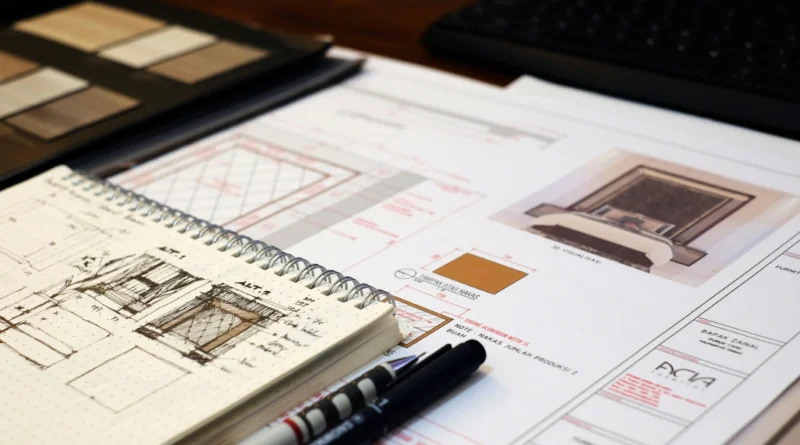
Floor Plan Design Tips for Better Space Efficiency
Creating a floor plan that really fits well is part art and part careful planning. For folks in architecture, interior design, or real estate, the task is to mix usefulness with good looks. At the same time, they must make use of every bit of space. A smart floor plan boosts how easy it is to use the place. It also raises the worth of the property and makes people who live or work there happier. This piece looks at simple ways to build layouts that get the most from space. It does this without cutting back on comfort or appeal. I remember working on a small city apartment once, and just tweaking the layout saved us a whole closet’s worth of room—it’s those little wins that count.
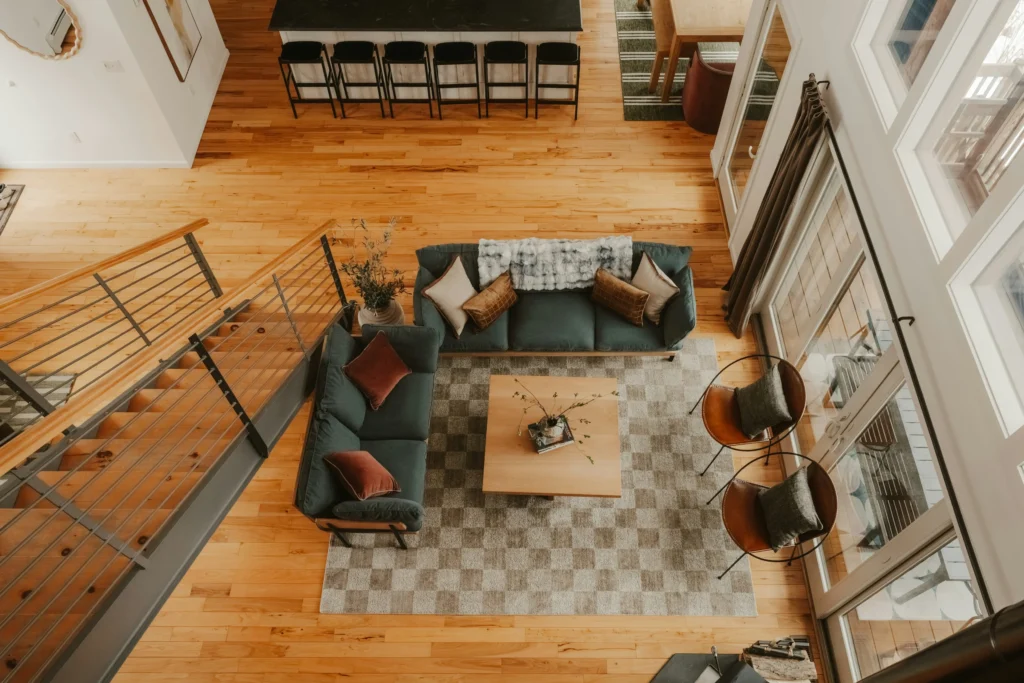
How Can You Maximize Space Efficiency in a Floor Plan?
Before getting into the nuts and bolts, think of floor plans as active setups. They guide how folks walk around, chat, and feel in a spot. Good design starts with a clear goal. You need to know who will use the area and in what way. This holds true for home apartments or work offices. Every setup should match its main job. And honestly, sometimes the best plans come from watching how a family moves in a real house, not just drawings.
Zoning and Flow Planning
Zoning splits a layout into useful parts. These include private spots, somewhat private areas, and open public zones. It makes smooth shifts between rooms. For example, put bedrooms far from loud living rooms to boost privacy. In open office setups, clear walkways stop crowds and encourage teamwork. Experts often draw adjacency diagrams first. They do this to picture these links before making the final sketch. In one project I saw, bad zoning led to constant noise complaints—zoning fixed it quick.
Multi-Functional Spaces
In tight city spots where room is scarce, areas that serve more than one purpose are key. A eating spot can also work as a desk area or chat zone. Sliding walls can change one big room into two small ones as needed. Such changes add value without growing the overall size. Take a studio flat: add a fold-out table, and suddenly it handles meals and work without feeling squeezed.
Smart Furniture Placement
How you set up furniture shapes how big a room seems more than most planners say. Keep paths open and add built-in storage to cut mess. This makes rooms look wider. In tiny flats, wall-hung desks or beds that fold away can make a big difference in how well the space works. I’ve noticed in older homes, just moving a sofa a foot over opens up the whole flow—simple but effective.
What Role Does Natural Light Play in Floor Plan Design?
Daylight changes how inside areas feel in a big way. Bright spots look roomier and more welcoming. Smart spots for windows, roof lights, and shiny surfaces cut power bills. They also help people feel better. Plus, in gloomy winters, that extra light can lift moods—it’s not just about looks.
Window Orientation
Windows facing south in the northern half of the world get steady sun all year. Ones facing east pull in morning rays, perfect for kitchens or morning meal spots. West-facing ones give cozy late-day glow, great for sitting rooms. Picture a home where the kitchen catches that early sun—starts the day right.
Open Layouts for Light Distribution
Open setups let sun reach farther inside. Take out extra walls or use glass barriers to spread light across areas evenly. Planners often run computer models to check sun paths. They test setups before building starts. This saves headaches later, like dark corners in what should be sunny rooms.
Reflective Materials and Finishes
Pale walls, shiny tops, and mirrors send light bouncing around well. Even small picks like dull paint over semi-shiny can shift how bright it gets. In a real office redo, switching to light tones made the space feel twice as big without adding square feet.
How Can Circulation Paths Improve Spatial Experience?
Walkways set how people travel through a building. Paths that are too slim or mixed up can make big areas feel tight. Good paths raise ease and reachability. They make the whole place more pleasant to use.
Logical Movement Patterns
A solid walkway plan cuts down on going back and forth or blind alleys. In houses, halls should link main rooms straight. In work spots, paths should let easy travel between teams. They avoid crossing private areas too much. Think of a busy clinic: clear paths mean less bumping into folks.
Accessibility Considerations
Planning for all users goes beyond rules. It’s about welcoming everyone. Doors at least 32 inches wide fit wheelchairs with room to spare. Even floor changes boost safety for all. In family homes, this means grandma can visit without worry—practical kindness.
Visual Cues for Wayfinding
Small touches like floor shifts or roof changes lead folks naturally. They do this without too many signs. Such ways keep finding your path easy. At the same time, they hold the look together. I’ve walked malls where subtle floor colors guide you—feels natural, not forced.
Why Is Scale Important in Floor Plan Design?
Scale sets how things match up—the link between items and the room around them. Getting scale wrong makes setups odd. Furniture might look too big, or empty spots take over. Proper scale keeps everything balanced.
Proportionate Room Sizes
Room sizes should fit their role. A main sleep room may need 200 to 250 square feet, or 18 to 23 square meters. A small guest spot can do with 120 square feet, or 11 square meters. Keeping sizes steady across the place holds the feel even. For a two-bedroom flat, this means no tiny kitchen next to a huge bath—keeps it livable.
Ceiling Height Influence
Roof height changes how open a spot feels a lot. Taller roofs add air even in small areas. Planners often tweak heights on purpose. They make them lower by doors for a close feel. Then higher in main areas for a grand touch. In cozy cottages, a vaulted ceiling over the living room fools the eye into thinking it’s larger.
Human Scale Integration
Building around daily actions ensures comfort. Views from chairs to key spots like fireplaces or screens need thought early. This makes the space work for real people, not just plans. One tip from old pros: always measure from eye level.
How Do Building Codes Affect Floor Plan Layouts?
Rules might feel limiting, but they keep places safe and livable. This applies to jobs big and small. They set standards everyone can count on.
Minimum Room Dimensions
Codes set base sizes for rooms people live in. Bedrooms often need at least 70 square feet, or 6.5 square meters, in many places. This guarantees fresh air and light. Skipping this can mean starting over—costly lesson.
Egress Requirements
Every main area needs safe ways out in tough times. Place doors and windows right per rules. This avoids fixes down the line. In a school design, proper exits meant quick evacuations in drills—peace of mind.
Ventilation Standards
Machine air systems help when natural breeze falls short. But they must follow local power-saving rules. This keeps inside air clean. Good vents stop stuffy days, especially in humid spots.
What Are Common Mistakes When Designing Floor Plans?
Even pros with years under their belt miss tiny bits now and then. These slips can hurt how well the space works later. Spotting them early saves time.
Ignoring Circulation Ratios
Walk areas should use about 10 to 15 percent of the full floor. More than that throws away room. It shrinks spots for living or working. In a rushed office build, too much hall space left desks cramped—balance matters.
Overcomplicating Layouts
Fancy shapes might shine on paper. But they often cause build snags or bad furniture fits once done. Stick to straightforward lines for smoother results. A curvy wall sounded cool, but it blocked a needed cabinet.
Neglecting Future Adaptability
Areas change as life goes on. Families get bigger, shops grow. Build in flexible setups from day one. This skips big fix-up costs later. Think of adding a home office now—saves hassle when work from home booms.
How Can Technology Enhance Floor Plan Development?
Tech tools have changed space planning a ton. They let you see and tweak in real time before any real work. This cuts errors and speeds things up. From apps on phones to full systems, it’s a game-changer for builders.
BIM Integration
Building Information Modeling, or BIM, helps pros line up structure, pipes, and wires in one computer setup. It spots clashes early in the build stages. This smooths the whole process. In a hospital project, BIM caught a pipe conflict before pouring concrete—saved weeks.
Virtual Reality Visualization
VR tours let owners walk through the scale and paths before signing off. It cuts talk mix-ups between planners and clients. Folks can spot issues like a tight doorway right away. Trying a VR mockup once showed a client the view from the couch—changed the window plan on the spot.
Data-Driven Space Planning
Programs study how people use spots in work buildings. They base next layouts on real habits, not guesses. This makes plans sharper. For a store chain, data showed peak crowd paths—redesigned aisles boosted sales by 15 percent.
FAQ
Q1: What Is the Ideal Ratio Between Private and Public Spaces in Residential Floor Plans?
A: Usually, private areas like bedrooms take up about 40 to 50 percent of the total space. Public areas get 30 to 40 percent. The rest goes to walkways, based on the home type (source: Architectural Review Board Guidelines 2022). It’s flexible, though—some homes tweak it for big families.
Q2: How Much Natural Light Should Each Room Receive Daily?
A: Experts suggest at least two hours of straight sun each day for main rooms, per CIBSE Lighting Guide LG10 (2021). More is better in sunny climates, but shades help in hot ones.
Q3: Are Open-Plan Layouts Always More Efficient?
A: No, not always. Open setups add bendiness, but they can let noise travel if you don’t add sound blocks (source: Building Science Corporation Report BSC-15). In quiet homes, walls might win out.
Q4: What Software Tools Are Most Commonly Used for Professional Floor Planning?
A: AutoCAD Architecture, Revit BIM Suite, SketchUp Pro, and ArchiCAD top the list. They fit well with build papers (source: Autodesk Market Survey 2023). New users start with SketchUp—it’s friendlier for beginners.
Q5: How Do You Balance Aesthetics with Functionality in Small Apartments?
A: Focus on up-high storage and pieces that shift around. Keep looks simple with matching stuff choices. This mixes nice views with real use, as noted in Interior Design Journal Vol.58 (2023). Add plants for a homey touch without clutter.