

Top Floor Plan Ideas for Modern Building Layouts
Creating a floor plan goes beyond simply sketching walls and rooms. It involves crafting the way folks move around, connect with each other, and spend their days in a place. For builders and planners, the real task is finding a good mix of good looks, practical use, and solid building sense. In today’s structures—homes or offices alike—a smart floor plan can make or break the whole job. This piece looks at clever methods and basic ideas that shape the top floor plan thoughts right now. Sometimes, I think about how a tiny change in layout can totally shift daily life, like in a bustling city apartment where every inch counts.
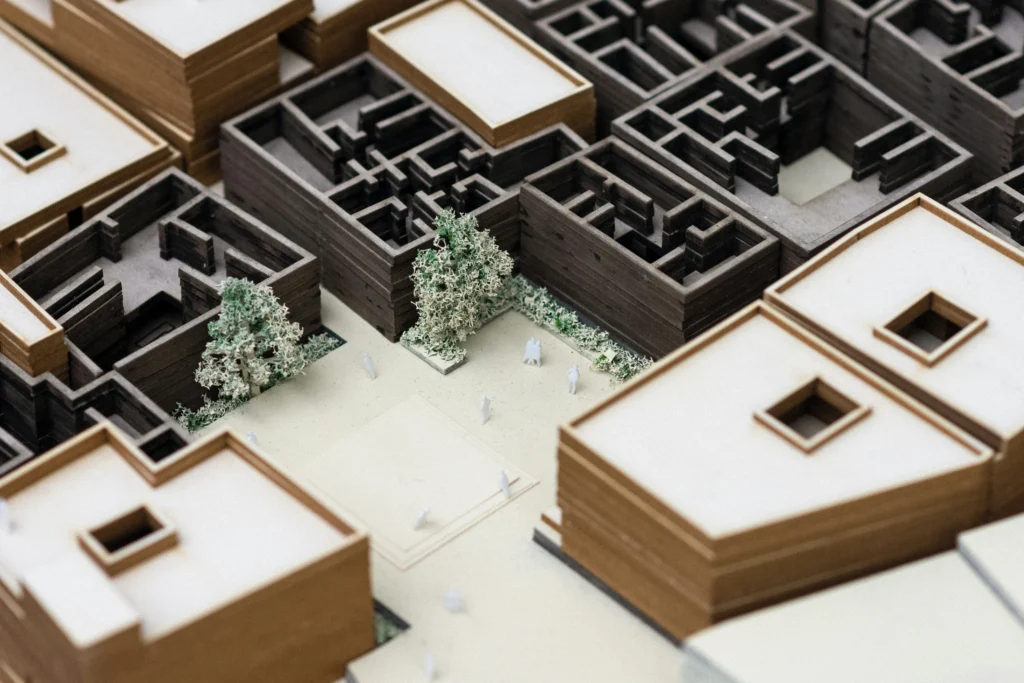
What Defines a Modern Floor Plan?
Today’s floor plans stand out with their wide-open setups, smart space use, and ability to fit shifting ways of living. They focus on plenty of sunlight, smooth paths between spots, and few barriers in the way. Before we jump into exact design thoughts, let’s check out what really marks a layout as “modern” in building terms. It’s not just fancy; it’s about real everyday comfort.
Open-Concept Living Spaces
Open-concept setups knock down extra walls. They form flowing areas that link living rooms, eating spots, and kitchens. This style boosts room to shift things around. Plus, it lets fresh light fill the whole inside. In office buildings, these wide layouts help teams work together better. They cut down on walls that block talks and ideas. Take a typical family home: without those walls, kids can play in the living area while parents cook nearby, keeping an eye on everything without feeling closed off.
Integration of Indoor and Outdoor Areas
Current designs often mix inside coziness with outside freedom. Big glass walls, doors that slide open, or small yards push living spaces right into the fresh air. This link boosts air flow. It also backs green building ways by using natural light without extra power. Imagine a backyard patio that flows straight from your kitchen—perfect for summer barbecues or just sipping coffee while watching birds.
Smart Zoning for Functionality
Zoning splits a floor plan into useful parts—public spots, private corners, and work areas—yet keeps things open. For example, you might put sleep rooms far from party areas. This gives quiet without losing sight lines across the space. It’s a balance that feels natural, not forced.
How Can Floor Plans Enhance Energy Efficiency?
Saving energy sits at the heart of today’s building work. A thoughtfully laid-out plan can cut down on heat bills, better air movement, and make the most of day light—all on its own, without fancy gadgets taking over.
Orientation Toward Natural Light
Placing windows in the right spots grabs sun rays in cold months. At the same time, it keeps extra warmth out during hot times. In places north of the equator, windows facing south work great for free warming from the sun. I’ve seen homes where this setup drops power use by up to 20 percent, based on simple builder reports from sunny spots like California.
Compact Building Shapes
A tight shape cuts the outside surface hit by weather. This lowers heat escape through sides and tops. It also makes it easier to spread heating and cooling systems around. Think of a cube-like house versus a spread-out one; the cube holds warmth better, especially in windy areas.
Use of Thermal Zones
Splitting a structure into heat zones lets you tweak temps by how busy the room is or what time it is. Sleep areas can cool down at night. Meanwhile, hangout spots stay toasty when folks are active. This targeted approach feels efficient, like adjusting a thermostat room by room instead of the whole house at once.
Why Is Flexibility Important in Modern Floor Plans?
Being able to change is a key feature in current building styles. With shifts like home offices or families living together across ages, spaces need to adjust easily. It’s what keeps a design fresh for years, not just the first move-in day.
Multi-Functional Rooms
Rooms built with sliding dividers or switchable furniture handle more than one job. A spare sleep spot at night turns into a work desk by morning. This switch boosts space you can actually use. It does so without growing the building’s base size. In tight city living, this means a 500-square-foot flat feels twice as big.
Modular Design Principles
Modular setups let builders add or tweak parts without hassle. Ready-made pieces speed up building time. They also scale up for what’s needed later. Picture snapping Lego blocks together for a house—quick and customizable, which cuts down on mess and delays.
Convertible Common Areas
Shared spots like chill lounges or group rooms can switch up fast. Sliding panels or walls that pull back allow quick changes for crowds or events. This avoids big fixes down the line. It’s handy for community centers where one day it’s a quiet reading spot, the next a lively party space.
What Role Does Technology Play in Floor Plan Design?
Tech now guides how builders picture, check, and put floor plans into action. From computer drawings to home automation ties, tech-based planning sharpens accuracy and daily ease. Without it, designs might miss small flaws that pop up later.
Building Information Modeling (BIM)
BIM lets teams work together live on 3D models everyone shares. Architects, fixers, and builders all pitch in. It spots mistakes by testing weight loads and stuff matches before any real work starts. In a project I recall from industry chats, BIM saved weeks by catching a pipe clash early.
Virtual Reality Visualization
VR gear lets folks “walk” through spaces that aren’t built yet. This shows flow paths or light quirks hidden in flat drawings. Clients get a real feel, which helps tweak things before pouring concrete. It’s like a video game tour of your future home—exciting and spot-on.
Smart Home Integration
Plans today build in spots for watchers, auto lights, and weather controls. Planning these from the start makes everything run smooth once done. No last-minute wiring headaches. For instance, sensors that dim lights when you leave a room save power without thinking about it.
How Do Cultural Preferences Influence Floor Plan Choices?
Local ways of life shape how people see ease and room order in buildings. A good design honors home customs while mixing in worldwide styles. Ignoring culture can make a space feel off, no matter how pretty it looks.
Privacy-Oriented Layouts
In certain places, keeping welcome areas apart from family hideaways matters a lot. Hallways or screen barriers hold back views without closing off the flow. This setup fits traditions where guests don’t peek into private life, common in Middle Eastern homes.
Communal Living Concepts
Some groups value big shared zones like wide meal halls or yards for daily meetups. These plans build bonds over solo spots. Families eat and chat together, strengthening ties in ways isolated rooms can’t match.
Local Material Adaptation
Layouts often match what’s around—like wood frames in cool Nordic spots versus sturdy concrete in warm tropic zones. This choice handles heat needs well. Wooden homes breathe in cold winters, while concrete stays cool under hot suns, drawing from years of local know-how.
How Can Architects Maximize Space Efficiency?
City crowding calls for wiser handling of tight spots without losing comfort or style. Smart plans scale things right, not just shrink them down. It’s about clever tricks that make small feel spacious.
Vertical Utilization Strategies
Extra levels like upper lofts or half-stories add room upward, not outward. This suits flats with tall roofs but slim bases. A 10-foot ceiling can gain a cozy sleeping nook above the main area, doubling use without extra land.
Built-In Storage Solutions
Fitting storage into walls or stair undersides clears floors. It keeps looks clean across rooms. No bulky cabinets blocking views—just hidden spots for clothes or tools, a staple in Japanese-style minimal homes.
Circulation Optimization
Shortening paths saves key area for useful nooks like reading corners or small wash spots. Wide halls waste space; direct routes free it up. In a 1,000-square-foot office, this can reclaim 100 feet for desks or breaks.
What Are Emerging Trends in Future Floor Plan Design?
With green aims growing next to online living habits, coming floor plans will mix nature care with tech fits. These shifts promise homes that adapt and heal the planet a bit. It’s an exciting time, though not without challenges like cost.
Biophilic Design Elements
Adding greens, water bits, or rough natural feels boosts health by linking people back to the wild. This trend hits offices and houses hard. Plants in a lobby can cut stress, studies show, making workdays brighter.
Adaptive Reuse Concepts
Turning old factory spots into mixed spots happens through fresh zoning of what’s there. This skips new builds. An abandoned warehouse becomes lofts and shops, saving resources and adding city charm without fresh dirt turned.
Data-Driven Spatial Planning
Smart programs crunch people movement info to pick best room setups. This new edge looks set to bring big wins in space smarts soon. Based on early tests, it could trim wasted steps by 30 percent in busy homes.
FAQ
Q1: What Is the Most Efficient Type of Floor Plan for Small Apartments?
A: Open-concept setups with hidden storage give top room to change while making tiny insides feel roomy.
Q2: How Can Lighting Influence Floor Plan Effectiveness?
A: Right sun placement cuts power needs and lifts spirits. Adding roof windows or shiny walls boosts light the natural way.
Q3: Are Modular Buildings Considered Sustainable?
A: Yes, ready pieces cut trash via exact making and let easy adds without tearing down all later.
Q4: Why Are Courtyards Popular in Modern Designs?
A: Courtyards boost air and pull sun deep inside. They give hidden outside breaks in packed city spots.
Q5: How Does BIM Improve Collaboration During Planning?
A: BIM hands everyone one 3D view that updates on its own across jobs. This cuts talk mix-ups when building starts.