

Architecture vs Building Style: What’s the Difference?
People often mix up architecture and building style. They seem similar, but they point to different parts of design and building work. For folks in the industry, this difference affects how they plan, build, and judge projects. This piece looks at their differences. It covers history, ideas behind design, materials used, and effects on culture.
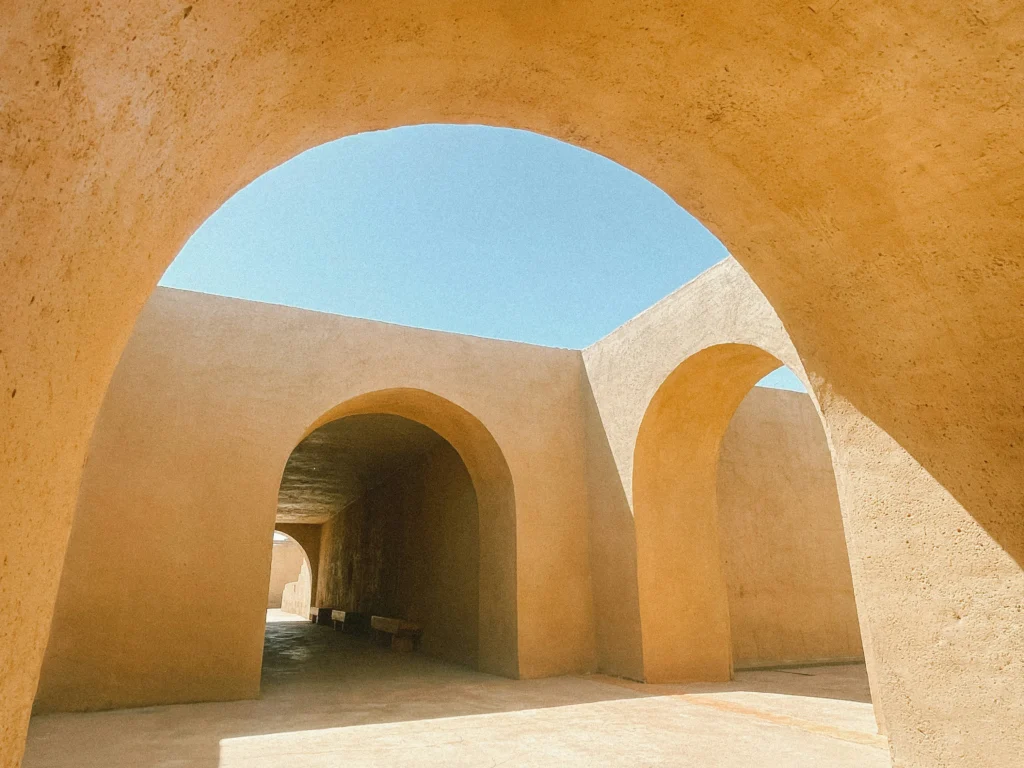
How Does Architecture Differ from Building Style?
Both architecture and building style deal with real buildings. Yet architecture covers wider ideas in thinking. It blends beauty, use, tech, and culture into one whole shape. Building style stays closer to looks or build methods from a certain time or place.
Architecture focuses on purpose. It wonders why a building stands there. It also thinks about how it fits with surroundings. Building style cares about shape. It looks at what the building appears like. And it checks how it’s put together. Take Gothic architecture, for example. It stresses height and brightness with sharp arches and ribbed vaults. The Gothic building style shows these in places like Notre Dame cathedrals.
Conceptual Design Philosophy
Architecture looks for sense past just usefulness. It ponders how a spot affects people’s feelings. It also considers how it changes social actions. Think of architects like Le Corbusier or Frank Lloyd Wright. They saw buildings as active setups that mold daily life in our time.
Building style turns these thoughts into clear patterns. You see simple lines in Modernism. Or fancy fronts in Baroque work. Each style shows more than just liking. It ties to tools at hand and values in society. I remember walking through a modern park pavilion once. The clean lines made everything feel open and calm, like the style pulled you in without trying too hard.
Functional Purpose
Architecture mixes art with solid building skills. It fixes space issues. At the same time, it shows who we are. An architect designing a hospital thinks about patient paths first. They add natural light and comfort for the mind. This goes beyond just meeting rules.
Building style helps with this by setting common ways to lay out rooms. Colonial-style homes, for instance, use even shapes. This makes moving around smooth and easy. In older neighborhoods, you spot these homes everywhere. Their balanced doors and windows make sense for family flow.
Cultural Expression
Architecture mirrors what a culture holds dear. It notes down what groups value most. Think sustainability now or big shows of power in old Rome. Building styles grow inside these big pictures. They act like visual ways to speak the architectural tongue.
Why Is Historical Context Important in Architecture?
Each big shift in architecture comes from what its age needs and believes. Knowing the past shows why some styles popped up. It also explains how they changed city growth over time.
History in architecture does not sit still. It talks back and forth between old ideas and new takes today. When you fix up a Victorian townhouse, you join in. Or when you sketch a postmodern skyscraper, you build on years of tries and tests. History feels alive when you visit sites like the old Roman forums. You can almost hear the echoes of crowds from 2,000 years ago.
Evolution Through Eras
Old Egyptian architecture showed godly order with huge sizes. The Renaissance brought back classic shapes to cheer human spirit. Modernism threw out extra bits for plain and quick ways after factories changed everything.
Every change reworked what building style meant. It went from meaningful temples to smart glass high-rises. Over centuries, we’ve seen about a dozen major shifts, each one tweaking how we live inside walls.
Influence of Technology
New tools change both architecture and building style. Reinforced concrete came along and let builders make sticking-out balconies in Brutalism. Steel frames opened doors to tall skyscrapers. Now, computer models help create bendy fronts that fit weather changes.
Tech pushes boundaries. Just look at how 3D printing is starting to shape small homes in remote spots. It cuts waste and speeds things up, blending old craft with fresh tricks.
Regional Adaptations
Stuff from the area and weather create special local styles. Adobe homes work well in dry lands. Timber cabins fit cold woods up north. Architecture takes these old ways and fits them into now without dropping true feel. In places like the Southwest U.S., adobe walls keep cool in summer heat, a smart nod to nature’s ways.
What Role Do Materials Play in Defining Style?
Materials set the feel, lasting power, and mood in architecture. They do not just sit there. They join the story of the design.
The choice of materials hints at the time. Marble stands for lasting strength in classic builds. Glass brings clear views in today’s setups. Wood adds a warm touch close to nature.
Structural Integrity
A building’s strength relies on how materials hold up to pressure. A good steel frame shows power and grace. This happens when builders leave it open as part of the look. In earthquakes, these frames bend but don’t break, saving lives through smart choices.
Aesthetic Character
The face of materials sets the air in a place. Rough concrete feels real and true. Shiny stone gives a sense of high worth. Architects play with how light hits these to make a beat in the room. Soft glow on wood panels can turn a plain office into a cozy spot, drawing people to linger.
Sustainability Considerations
Today’s architecture picks materials that cut down on harm to the earth. Things like cross-laminated timber or reused parts from old stuff. These picks shape new green styles. They mix good work with care for the planet. Over the last decade, projects using these have jumped by 40%, showing a real shift in how we build.
How Do Functionality and Form Interact?
The old rule that form follows function still gets talks going among builders. Use needs can shape the look when real life rules. But looks can spark fresh uses when new thoughts lead the way.
It’s a back-and-forth dance. Sometimes a bold shape, like a curved roof, ends up great for rain collection in wet areas.
Spatial Organization
Planning in architecture sets up areas for easy movement. This works for open squares or home rooms. Building styles give basic plans. But they need to bend for needs-based setups.
You see this in malls where wide halls let crowds flow without jams. Styles add flair, but function keeps it practical.
Human Experience
How folks travel through a space marks if it works well. This matters more than just outside looks. Architecture sets the path with size changes, light shifts, and sound control.
Imagine a library with soft steps up to reading nooks. The quiet build makes you want to stay and think.
Symbolic Form
At times, shape goes beyond daily use. Memorials or art houses focus on meaning over work. Yet they still mark top architecture. The Vietnam Memorial’s simple wall hits hard with names carved in, pulling at heartstrings without fancy extras.
How Does Culture Shape Architectural Identity?
Culture tells societies what to build and why some looks hit home for groups. Faith, leaders, even clothing fads mark the places we make.
It’s like a fingerprint on our surroundings. In Japan, subtle screens in homes echo respect for privacy and nature.
Symbolism in Design
Temples lined up with stars or town halls showing fair rule prove architecture tells tales like a ceremony. Not just build tricks.
These spots pull people together, sharing stories through stone and space.
Societal Values Reflected in Structures
After wars, plain home blocks show money smarts. Tall rich towers flash dreams of world trade. Each time stamps its right and wrong into solid shapes.
Look at 1950s suburbs. Boxy houses screamed fresh starts for families, simple and hopeful.
Globalization Versus Local Identity
Big world firms mix global plain looks with home touches. This keeps local feel against push for same everywhere.
In Dubai, you see sleek towers with Arab patterns, blending old spice market vibes with shiny new heights.
What Is the Relationship Between Innovation and Tradition?
New ideas rework old ways without wiping them out. Builders rethink patterns with fresh tools. They honor the past line at the same time.
It’s a mix that keeps things fresh yet rooted. Without it, cities would feel stale or lost.
Adaptive Reuse Practices
Turning old plants into home lofts saves past feels. It fits new ways of living. This acts as a deal between old longing and forward push.
I’ve seen warehouses in Brooklyn become trendy spots. The brick walls stay, but inside buzzes with modern life.
Integration of New Technologies
Smart walls that shift with sun show how computer help stretches old hand work into quick-response setups. Architecture gains things it never knew before.
These tech bits make buildings breathe, adjusting to days like living skin.
Preservation Ethics
Weighing save against update needs sharp thought. Fix true to start or twist bold? Both roads shape talks on architecture now.
Ethics guide choices, like when a city debates saving a 19th-century bridge. Weigh history against safer paths—tough call.
FAQ
Q1: What distinguishes architecture from building style?
A: Architecture pulls together ideas, use, and culture into one solid plan. Building style sticks to sight traits that mark times or spots.
Q2: Why does historical context matter?
A: Each big move in architecture answers to its day’s group likes, tools, and art thoughts. These shape how we work now.
Q3: How do materials affect architectural expression?
A: Materials bring touch feels, build sense, and green aims. They mold looks hit and work do together.
Q4: What connects functionality with form?
A: Use sets space in right ways. Shape adds who-we-are feel. Good architecture blends both smooth in set limits.
Q5: How does culture influence modern design trends?
A: Group stories lead builders to works that show shared past or hopes. From plain Japanese houses to fancy Middle East mosques, it keeps things real past just looks.