
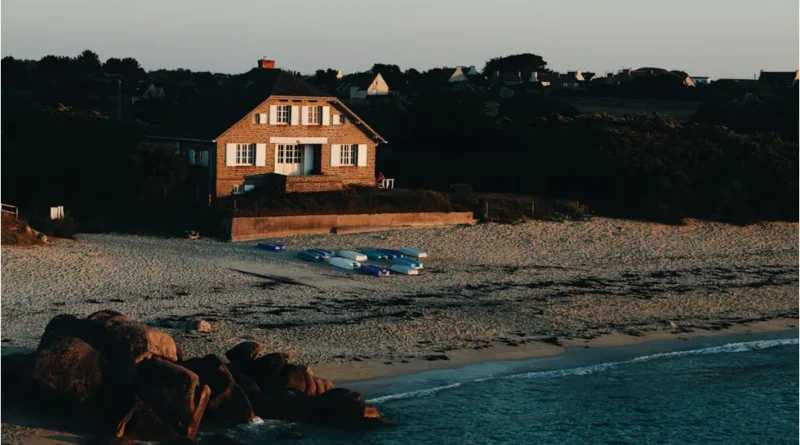
Are Small Modern Beach House Designs The Key To Narrow Lot Elegance
What Defines Small Modern Beach House Designs on Narrow Lots?
Creating small modern beach house designs on narrow lots calls for a careful mix of simple building ideas and clever space use. You do not just work within tight boundaries. Instead, you build a place that blends basic style, beach vibes, and smart daily living. Each shape, material, and size needs to help with both practical needs and feelings. The next parts look at how basic building rules, space tricks, and care for the surroundings shape these small but nice homes.
Integration of Minimalist Architectural Principles
Simple style forms the base for many narrow-lot beach houses. Straight lines and open setups help make a calm look. They also make the most of the space you have. Basic shapes like rectangles, cubes, or L-forms hold the building steady with clear purpose. Everyday materials such as wood covers or whitewashed rock add a soft touch. These tie the house to the beach area. A good simple home also mixes private spots and open areas just right. Bedrooms sit in quieter parts. Common rooms point to the sea or yard. So, the setup feels bigger even if the total space is small.
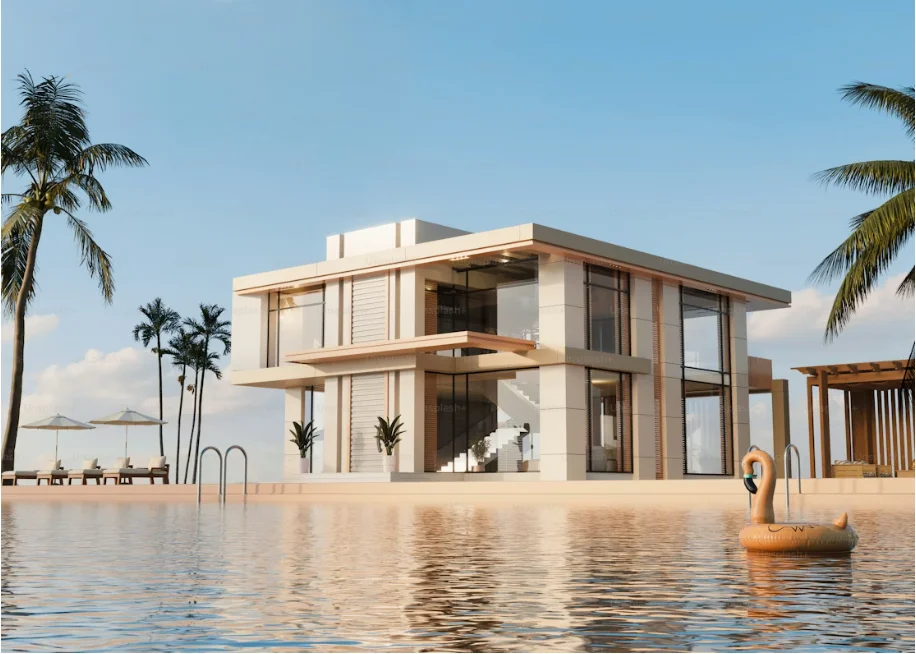
Optimization of Vertical and Horizontal Space
When the land is not wide, going up with design helps a lot. Homes with several floors let you split up rooms for different uses. Living areas stay down low. Sleeping spots go up high. All this keeps the base small. Open inside plans make rooms seem larger too. They do this by getting rid of walls that block views. Sliding glass doors or tall windows mix inside and outside spots. This makes a smooth move from sitting area to porch. Such space plans turn limits into chances. Sunlight and ocean air fill every part this way.
Incorporation of Coastal Environmental Considerations
A good small modern beach house thinks about its sea setting in a smart way. How you face the house counts a lot. Put openings where winds usually blow. This helps air move through without machines for cooling. Materials need to handle wet air, salt from the waves, and bright sun. For example, strong steel parts for boats or cement boards last long. Untreated metal would rust fast. For the yard, pick plants that fit the beach. Use local sand grasses or short bushes. They hold the ground steady. At the same time, they keep clear sights open.
How Can Design Innovation Enhance Narrow Lot Elegance?
New ideas lift narrow-lot homes from smart to really nice. With ready-made parts, easy tech, and ways to play with senses, you can make houses that feel roomy even if they are small. Take a house on a 20-foot-wide lot in Florida, for instance. Builders there used these tricks to add a cozy feel without extra space.
Application of Modular and Prefabricated Systems
Ready-made building has changed things for beach work on small spots. Parts made in a factory cut down mess at the site. This helps when roads are tight or rules stop big machines near sand hills. Ready-made setups let you change how things fit. You can stack or shift units to make steps without losing room. More than just quick work, this fits with green ways key to beach life today. It cuts trash and makes energy use better when putting it together. In one project I recall from California, modules went up in just two weeks, saving time and hassle.
Integration of Smart Home Technologies
Tech adds comfort in small homes without showing off. Lights that turn on by themselves match the sun’s changes. Systems for heat and cool learn when people are around. They keep the right warmth with less power. Safety watchers fit right into window edges or yard lights. These tools cut energy bills. They also keep the simple look by hiding buttons or dials on walls. Picture coming home to lights that dim just right as the sun sets over the waves—small touches like that make daily life smoother.
Use of Light, Texture, and Color for Visual Expansion
Playing with light helps make small rooms look bigger. Basic colors like light white, sand shades, or soft gray bounce sun around. Shiny spots on shelves or smooth floor add more glow without extra stuff. Add light feels with cloth mats or soft window covers. This brings layers but keeps things plain. The point is calm class, not busy looks. Sometimes, a bit of blue from the sea outside sneaks in, reminding you of the beach even on rainy days.
Why Are Open Floor Plans Essential for Small Beach Houses?
Open floor plans are more than a trend. They are a must for building on narrow lots. These plans make smooth links between areas. They also help air move and sun spread through the house.
Creation of Fluid Spatial Connections
Taking out extra walls lets you see from the door all the way to the water. This flow makes inside areas feel wider than they are. Open setups help people stay in touch too. A cook in the kitchen can chat with someone relaxing nearby. Clear paths let air blow across from sea side to land side. This keeps things cool in wet beach air without fans or units.
Maximization of Natural Light and Ocean Views
Smart window spots turn a tight building into a sunny hideaway. Big glass facing the sea acts like a picture frame for the water. Roof windows let light into middle halls. Side spots might be blocked by other houses. High side windows spread sun even over floors. They do this without losing private feels. This works well when homes sit close in beach lines. In places like Miami, where lots are packed, these windows make all the difference in feeling open to the sky.
Adaptability to Changing Lifestyle Needs
Today’s life needs homes that change with you. Beds that fold into desks or tables that grow for friends help shift rooms fast. Sliding glass walls let you open up for parties. Or close off for quiet work time. This bend keeps the house useful for years, even if it’s not big.
What Role Does Material Selection Play in Achieving Elegance on Narrow Lots?
Picking materials sets how strong and nice a coastal home feels. The weather there hits hard, but looks stay important.
Preference for Sustainable Coastal Materials
Getting stuff from close by cuts travel fumes. It also makes the design feel real to the area. Wood from local trees, reused rock pieces, or bamboo covers all help green building. These fit sea weather well. Finishes fight salt rust and sun fade. Oiled woods like teak work great outside. Their natural parts push away water. One builder shared how teak decks lasted 15 years with little care in salty spots.
Combination of Modern and Natural Elements
Mixing glass with metal frames adds a fresh edge. Warm wood inside rooms balances it. This mix stops the plain feel of all-white simple styles. It keeps everything matching across areas. Feel differences, like rough wall cover next to smooth wood work, add touch without mess. It’s like the house breathes with the ocean’s rhythm.
Enhancement of Durability Through Innovative Treatments
Special covers like tiny water blockers make things last longer. They stop wet from getting in at small levels you can’t see. New fake woods look real but don’t bend in high wet times near the shore. Picking easy-care finishes saves money later. It keeps the building strong for many years in tough spots.
How Can Landscape Design Complement Narrow Beachfront Architecture?
Yard planning finishes the story between the house and nature around it. It ties everything together nicely.
Integration with the Natural Surroundings
Local plants help wild life in the area. They need little water after they grow. This is handy when water is short some times of year. Soft yard work like beach grass borders fade lot lines gently. So, the house looks part of the land, not pushed on it.
Utilization of Outdoor Living Spaces Efficiently
Small decks from high floors give private outside spots. They do not take ground space needed for walks or car spots below. Roof areas with fold-away covers turn into night sit spots over the water. This is a treat even on lots under 10 meters across. Imagine sipping coffee there at dawn—pure beach magic on a budget lot.
Connection Between Architecture and Seascape
Same floor stones inside and out make views stretch to the sea line past the windows. Small height steps on patios add fun without blocking sights. These are key to enjoying the full ocean feel.
How Do Interior Design Strategies Elevate Small Modern Beach Houses?
Inside details show how nice living happens each day in small modern beach house designs on narrow lots.
Implementation of Space-Saving Furniture Solutions
Cabinets built under stairs hide things well. They skip big closets that eat floor space. Items that do two jobs, like seats that hold stuff and act as tables, keep setups loose but tidy. This matters in areas under 100 square meters. In tight spots, these choices prevent clutter from building up fast.
Emphasis on Transparency and Flow
Swap solid walls for see-through glass ones. They keep private but let light spread in places without side windows from close neighbors. Light cloths on windows cut bright sun soft during noon. They do not shut off rooms fully.
Artistic Detailing as a Form of Refinement
Simple style still gains from art touches. Custom wood work from local hands lifts daily parts to spots you notice. Picked art with sea colors links inside feel to outside water shades at each window. It’s those little crafted bits that make the space feel alive, not just built.
Are Small Modern Beach House Designs Truly the Key to Narrow Lot Elegance?
In the end, these small homes show more than just good space use. They stand for new ideas about nice living in tight beach spots.
Harmonization Between Functionality and Aesthetic Purity
Smart setups give ease like big homes do. Every bit has a job. It does not fill space with extra pretty things seen in huge beach houses along the shore. That often passes for class, but here less is truly more.
Reflection of Contemporary Coastal Living Values
Plain ways now mean realness. Fewer items show clear goals. Smaller bases show care for weak shore lands. These face too much building around the world. It’s heartening to see homes that give back to the environment.
Influence on Future Urban Coastal Development Trends
New ways started here guide bigger city plans. There, more homes meet green aims at once. It shows how small nice spots can change what we think of beach building ahead. Through reuse ideas already shaping new home types around the globe. Projects in places like Australia are picking up these cues, proving the model works wide.
FAQ
Q1: What is the main advantage of building small modern beach house designs on narrow lots?
A: They allow efficient use of expensive coastal land while maintaining high aesthetic value through smart planning and minimalist architecture that maximizes light and views.
Q2: Which materials perform best in marine environments?
A: Treated hardwoods like teak, stainless steel fixtures, fiber-cement panels, and composite decking resist corrosion from salt air effectively over time.
Q3: How do open floor plans improve airflow?
A: By removing internal barriers so breezes flow directly across rooms from seaside openings toward inland vents naturally cooling interiors without mechanical aid.
Q4: Can modular construction handle harsh coastal conditions?
A: Yes, prefabricated modules built under controlled conditions often exceed onsite standards because joints are sealed precisely against moisture intrusion before delivery.
Q5: Why emphasize neutral colors inside small beach houses?
A: Light tones expand visual perception making rooms appear larger while reflecting sunlight deeper indoors enhancing brightness throughout compact layouts.