
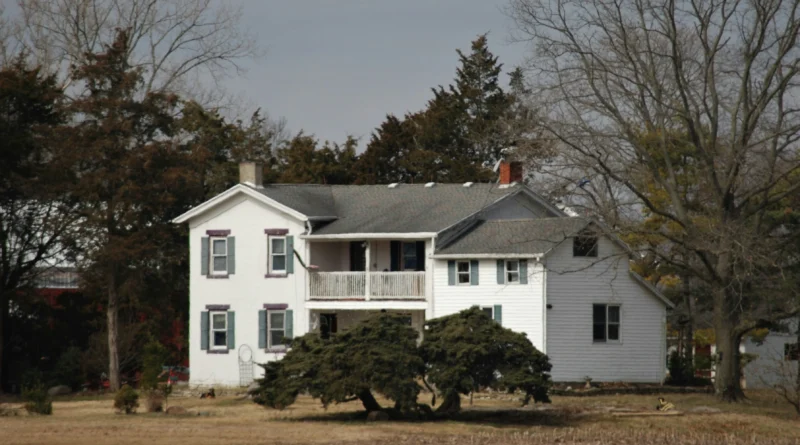
Do Farmhouse Style Homes Increase Property Value
Farmhouse style homes have turned into one of the top picks in home designs lately. Their classic look, warm feel, and useful setups draw in all sorts of people who want to buy. Yet, looks aside, plenty of owners and those putting money into real estate ask if these houses really add to the worth of the property. This piece looks at the money side and what the market says about having or putting up a farmhouse style home. It checks out things like what buyers think and how much you get back from fixes.
Why Are Farmhouse Style Homes So Popular?
The draw of farmhouse style homes goes beyond just old memories. It ties right into how people want to live now. Folks these days hunt for places that seem real and easy to use. They like big open areas and stuff from nature that link the inside coziness to simple outside spots.
Timeless Architectural Appeal
Farmhouse style homes mix rough country charm with up-to-date comforts. This makes a look that feels old-school yet fresh. Big front porches, sloped roofs with peaks, and wooden plank walls bring back thoughts of farm life. At the same time, they fit today’s ways of living. This mix pulls in people who like old ways and also younger ones who care about real designs. For example, think of a family pulling up to a house with that wide porch on a sunny afternoon. It just feels welcoming right away.
Connection to Lifestyle Trends
A lot of farmhouse plans stress green living and plain ways. These match big shifts like keeping things simple and caring for the earth. They use old wood again, soft colors, and spots that work well. All this fits a need for quiet spots in busy city days. I recall seeing a neighborhood where folks added herb gardens to their farmhouses. It made the whole area feel more connected to nature, and homes sold quicker there.
Broad Buyer Demographic
Farmhouse style homes hit home with people from all ages. So, they pull in different crowds. Retirees look for calm spots. Young families want room and a cozy vibe. This wide pull means better chances to sell again. It beats out styles that only appeal to a few. In my view, that’s a smart edge in a changing market.
How Does Design Influence Property Value?
The way a home looks shapes how much value it holds or grows. A solid farmhouse setup can lift the seen worth a lot. It does this by mixing feelings that draw people in with real perks.
Curb Appeal and First Impressions
The first look at a property sets how fast it sells and for how much. Straight lines, porches that wrap around, and friendly fronts mark farmhouse builds. These make a strong pull from the street. Buyers get hooked even before going in. Picture driving by and seeing that clean white siding against green lawns. It stops you in your tracks.
Interior Functionality
Inside farmhouse spots shine with open kitchens, beams out in the open, and lots of light from windows. These are things today’s buyers want most. They make everyday life better. Plus, they help push up what experts say the home is worth. That’s because they match what the market likes now. For instance, a big kitchen island becomes the heart of family meals, adding that practical touch.
Material Quality
Good stuff like solid wood floors, rock tops for counters, and made-to-order cabinets show up in strong farmhouse homes. Sure, they cost more at the start. But they pay off later with how long they last and how nice they keep looking. Take hardwood floors. They handle kids and pets well, and after years, they still gleam without much fuss.
Do Farmhouse Renovations Offer Good ROI?
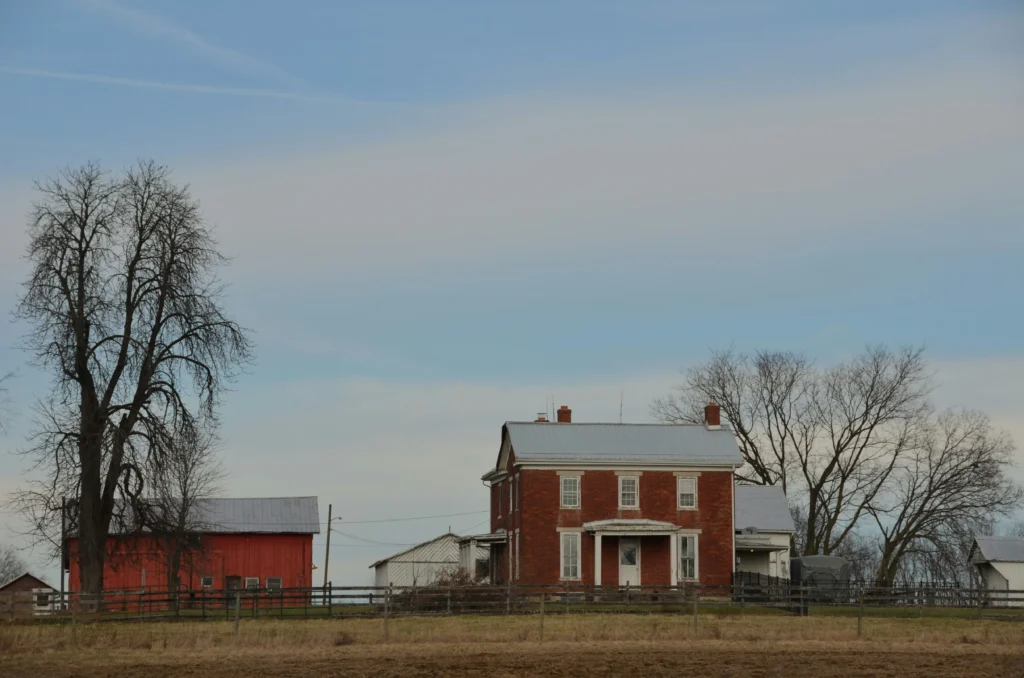
Turning an old house into a farmhouse can pay off if you plan it right. But not every change brings back the same bang for your buck.
Kitchen and Living Area Remodels
Open kitchens with deep sinks, wide counters in the middle, and country-style lights top the list for fixes that give good returns. The 2023 Cost vs. Value Report from Remodeling Magazine says these kitchen jobs get back about 71% of what you spend when they fit hot trends like farmhouse looks. So, if you put in $30,000, you might see $21,300 back at sale time. It’s a solid bet in most spots.
Exterior Enhancements
Easy outside tweaks, like adding wood strip siding or fresh paint in light shades, can lift how much the place seems worth. You don’t need big changes to the bones of the house. Buyers link these sights to good work and easy comfort. I’ve seen a simple porch swing addition turn a plain yard into a cozy hangout, boosting offers by thousands.
Overcapitalization Risks
It’s easy to spend too much on updates. But if you go over what fits the area, your returns might shrink. So, check homes nearby first. That way, you avoid putting in cash that won’t come back. Local prices set the bar, and going wild can leave you stuck.
What Market Factors Affect Farmhouse Home Values?
Where you are in the market changes how much a farmhouse home can fetch. Area likes, money ups and downs, and who wants to buy all matter.
Regional Demand Differences
In areas outside cities or near country spots with plenty of land, farmhouse designs do better than sleek new ones. They suit big lots well. But in tight city spots, fewer people want them. Unless you tweak for small spaces, that is. Out in the suburbs, I’ve noticed farmhouses with big backyards go for 15% more than boxy modern homes.
Economic Conditions
When the house market heats up, special styles like farmhouses grow in value quicker. Buyers fight over one-of-a-kind places. In quiet times, though, that extra cost might drop. People focus more on what they can afford. It’s all about the bigger picture of jobs and rates.
Buyer Sentiment Shifts
What people feel about homes sways prices more than you’d think. Shows on TV about fixing up farmhouses have sparked interest all over. This builds a want that turns into real money for those selling. It’s like a wave—once it starts, it carries values up for a while.
Are Farmhouse Style Homes Sustainable Investments?
Looking past quick sales, think about how farmhouse properties hold up long-term. That means both for the planet and your wallet.
Energy Efficiency Potential
Lots of fresh farmhouse builds add smart power savers like sun panels or better wall stuff to keep heat in. They keep the old look but cut bills. Green buyers like this and pay extra for it. Say you add insulation; your heating costs drop by 20% a year, and it appeals to folks who care about the earth.
Maintenance Considerations
Wood parts in farmhouses need check-ups now and then, unlike fake stuff in other homes. Keep them up to hold the value. If you let the outside go, it hurts how the place looks, even with a great start. Regular paint jobs and wood care make a big difference over time.
Adaptability Over Time
Farmhouse designs don’t fade like flashy ones that last just years. You can tweak them easy with new lights or colors. This keeps them fresh through market changes. It’s flexible, which helps in any economy.
How Can You Maximize the Value of a Farmhouse Style Home?
Smart choices when building or fixing can boost how much a farmhouse grows in worth over years.
Balance Authenticity With Modern Comforts
People like real work in farmhouses but want easy perks too, like controls for heat on your phone or windows that save energy. Mixing old charm with new tech makes it great to live in and sell. It hits that sweet spot for most buyers.
Focus on Outdoor Integration
Outside areas like porches, stone patios, and flower beds are key to farmhouses. Put money there to make more space feel bigger without adding rooms. It costs less but adds a lot. Imagine a back deck for summer barbecues—it turns the yard into an extra room.
Choose Neutral Yet Warm Palettes
Soft colors with natural feels make rooms welcoming. They show up great in photos for sales sites. Zillow’s 2022 Home Trends Report notes this boosts how many online looks you get. Stick to beiges and grays with wood accents for that cozy pull.
FAQ
Q1: What Makes Farmhouse Style Homes Different From Other Designs?
A: They combine rustic elements like exposed beams with contemporary layouts emphasizing space efficiency and natural light balance.
Q2: Are Modern Farmhouses More Expensive To Build?
A: Construction costs vary by region but typically run 5–10% higher than standard suburban builds due to premium materials such as hardwoods or metal roofing (source: National Association of Home Builders 2023).
Q3: Do Buyers Prefer Traditional Or Modern Farmhouses?
A: Surveys show growing preference for hybrid models blending clean lines with rustic finishes—appealing equally across age demographics (source: Realtor.com Market Insights 2024).
Q4: How Long Does A Farmhouse Retain Its Market Appeal?
A: Because its core design principles emphasize simplicity rather than trendiness, it tends to remain desirable over decades compared to short-lived architectural fads.
Q5: Can Converting A Regular House Into A Farmhouse Increase Value?
A: Yes—if renovations focus on visible details like siding texture or interior openness while staying consistent with neighborhood pricing patterns; otherwise ROI may diminish due to mismatched expectations among local buyers.