
Exploring Log Cabin Styles Which Design Offers Ultimate Comfort
What Are the Different Log Cabin Styles Available?
Log cabins for homes have grown into a wide range of building types. They mix old skills with today’s living needs. When you look at various log cabin styles, each one shows a special mix of looks, ease, and fit with the area around it. Picking a style is more than just liking how it appears. It also changes how the cabin works in different weather and how it blends with the land nearby. For example, in a quiet forest spot, a simple cabin might feel just right, almost like part of the trees.
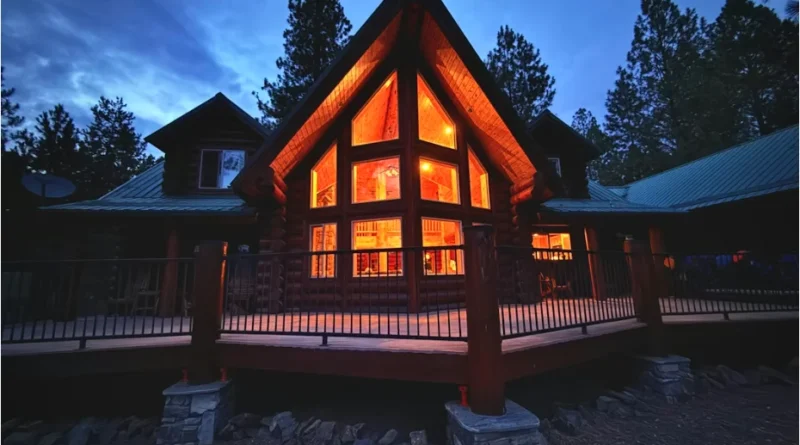
Traditional Rustic Style
The old rustic style is the basic form of log cabin building. It uses logs cut by hand, simple coatings, and clear wood patterns that show the true feel of the wood. This type often has rock fireplaces, open beams, and uneven room setups that link right to the outdoors. You could spot these cabins in woods or hills where their natural look matches the area well. The appeal of the rustic style comes from its real touch. It seems made by hand, not by machines. I’ve seen one near a lake, and it just fits like it was always there.
Modern Minimalist Design
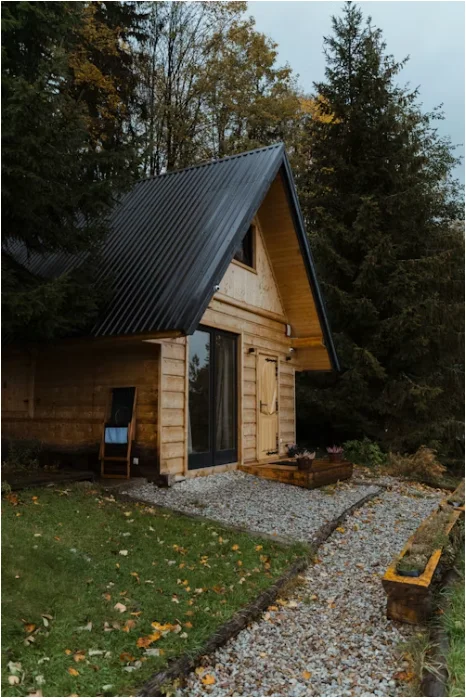
New simple log cabins mix sharp shapes with real materials. They skip fancy parts and go for straight lines and big open areas. Huge windows let in lots of sunlight. At the same time, they keep heat in with better glass setups. Inside, rooms use plain colors, like washed white logs or light oak shades, to make a bright space. If you want easy living with a touch of class, this style gives both comfort and nice looks. Think of one with floor-to-ceiling windows overlooking a meadow; it pulls the view inside nicely.
Scandinavian-Inspired Cabins
Cabins from Scandinavian ideas join useful parts with cozy feelings. They pick lighter woods such as pine or spruce. Plus, they focus on keeping heat in for chilly places. The rooms inside work well but feel welcoming. They use fabrics and gentle lights to soften the plain build. This way of designing cares about green ways and good work. Every piece has a job, and it all looks good together. These Scandinavian log cabins fit best in spots with long cold times, where saving energy matters a lot. In places like Norway, folks have used them for years to stay warm without high bills.
How Do Log Cabin Styles Affect Comfort Levels?
How cozy a log cabin feels ties closely to its build plan and choice of stuff used. Each type, from old to new, brings its own good points in keeping warm, room setup, and how materials act in different weather.
Insulation and Energy Efficiency
Keeping heat in is key to cabin comfort. Old rustic cabins use fat logs. These hold warmth from the day and let it out slowly at night. New builds make this better with made logs or special panels that fight cold well. Scandinavian types add triple glass windows and tight seals. This cuts down on heat escape. It’s vital for saving power in cool areas. For instance, a cabin with good seals might save 20-30% on heating costs over winter.
Interior Layout and Space Utilization
How space is used sets how nice daily life is in the cabin. Rustic setups feel snug but split into small rooms. They center on shared spots like fireplaces. New simple cabins like big open plans. This lets you move furniture around and air flows better. Scandinavian ones find a middle way. They stay small but smart. Often, they add built-in spots to store things. This keeps the look clean without mess. In a family cabin, an open kitchen-living area can make gatherings easier.
Material Selection and Its Impact
What you pick for materials affects how it feels to touch and how much work it needs later. Rough-cut logs give a real texture and warm sense. But they need sealing now and then to stop water harm. Made wood gives smoother ends and stays steady in size. This means less fixing up over years. In cold spots, heavy woods like cedar or larch hold heat better than light ones like pine. From what builders say, cedar walls last longer without much care.
Why Is the Choice of Log Cabin Style Important for Aesthetic Appeal?
How good a log cabin looks sets how well it matches its spot while showing your own style through build parts. It’s not just pretty; it makes the place feel right.
Harmonizing with Natural Surroundings
A smart style choice can make the cabin seem like it belongs to the ground. Rustic types mix into tree areas because their rough sides look like tree bark or rocks. New styles stand out nice against wide fields or water edges. Their clean edges show off the view without fighting it. Picture a modern cabin by a river; the glass walls reflect the water, blending in a cool way.
Architectural Features and Details
Build details set one style apart from others. Open roof supports in rustic ones bring back old ways. Sticking-out decks in new ones show fresh ideas. Scandinavian cabins have sharp sloped roofs to shake off snow. These parts change not only how it looks but how it works too. In snowy spots, that roof can prevent heavy buildup, saving on repairs.
Color Schemes and Finishes
Colors shape the mood in a quiet way. Brown earth tones fit rustic styles. Soft grays go with new forms. Light whites boost Scandinavian simple looks. They make indoor light stronger in dark seasons. A touch of color, like a red door on a gray cabin, can add personality without overdoing it.
Which Log Cabin Style Offers the Best Durability?
How long a log cabin lasts comes from its build smarts as much as steady care. Some styles handle tough weather better because of how they’re put together. Over time, this can mean fewer headaches for owners.
Structural Integrity of Different Designs
Old hand-made log fits lock tight without metal fasteners. This gives strength against ground shifts. It’s a way tested for hundreds of years in mountain places. New ready-made systems cut logs exact for even strength. This spreads weight well over walls and tops. Builders note that tight joints can hold up through earthquakes better than loose ones.
Weather Resistance and Maintenance Needs
Rustic cabins call for fresh stain every few years. This guards open logs from sun rays and water creep. New designs use treated wood or mix sides that fight weather less. Scandinavian ones shine here. Their build fits the weather. They take big snow weights and keep seals tight. In rainy areas, treated logs might need checks only once a decade.
Longevity of Building Materials
Cedar stands as one top wood for lasting. Its built-in oils fight rot and bugs. Made layered logs last longer too. They’re less likely to split or bend than full wood pieces from old times. Industry folks say cedar can go 50 years or more with basic care, while pine might need help sooner.
How Can Log Cabin Styles Enhance Lifestyle and Functionality?
Log cabins do more than give cover. They can shape how you live by linking rooms to the outside. They also allow changes for different uses. This makes daily life smoother and more fun.
Integration of Outdoor Spaces
Front porches, back decks, or side verandas push living out into the yard. This shows up in all styles. But new simple ones stress it most. Sliding glass doors there blur lines between inside ease and outside calm. On a sunny day, you can step out for coffee without missing the warmth inside.
Multi-Functional Interior Solutions
People today like rooms that change. Lofts can turn into extra sleep spots. Movable walls add private areas when wanted. Kitchen counters work as work spots or chat centers. All this depends on the room plan you pick at the start. In a small cabin, a loft might sleep two kids, saving space downstairs.
Customization Options for Personal Needs
You can adjust colors, room sizes, or even window directions to fit your ways. This might mean big views or better sun warmth in winter. For a reader, extra windows in a cozy corner could make book time perfect. Customization lets the cabin match your routine, not the other way around.
What Are the Environmental Considerations in Log Cabin Design?
Thinking green matters more in building now. It changes where materials come from and how cabins touch the land and animals around. Good choices help the planet and save money later.
Sustainable Sourcing of Materials
Wood from checked green sources cuts tree loss. It backs fair tree care around the world. Many builders track where stuff comes from. They check rules before starting work. Using local wood, say from nearby forests, keeps things simple and cuts travel pollution.
Eco-Friendly Construction Practices
Ways to build that help the earth include less mess at the site. This saves plants around the build area. Ready-made parts cut waste too. They use just what’s needed at the factory, not chopping extra on site. One builder I read about saved 15% on materials this way, and the site stayed cleaner.
Impact on Local Ecosystems
Local materials lower truck trips, so less smoke in the air. They also fit the area’s weather. This means less need for big heat or cool systems. That helps nearby plants and critters by using less power overall. In a wetland spot, picking water-resistant local wood avoids harm to the water life.
How Do Log Cabin Styles Reflect Cultural and Historical Influences?
Building log cabins holds strong ties to past ways. It’s shaped by land, work skills, and how people lived over many years. These roots make each cabin a story in wood.
Influence of Regional Traditions
In early North America, new folks changed old European wood ways. They used trees close by, like cone-shaped ones. This made the famous rough homes we still like. They focus on real use over show. That simple strength comes from need, not extras. Frontier tales often mention these cabins as safe spots in wild lands.
Evolution of Design Over Time
Log cabins started as one-room hides. Now they are big green getaways with tech like smart lights. They change with what people want but keep links to free living and doing things yourself. Ideas from old times mix with new tools, like solar panels on rustic roofs.
Incorporation of Cultural Elements
Parts like cut designs on beams or roofs from local ways show pride in the past. Each area’s build style reminds us of old know-how passed down. Even new ideas pull from family building smarts. In some spots, carved doors tell local stories, adding a personal touch.
FAQ
Q1: What is the most energy-efficient log cabin style?
A: Scandinavian-inspired designs generally lead due to superior insulation systems combined with airtight construction methods optimized for cold climates.
Q2: How often should a rustic-style log cabin be maintained?
A: Typically every three to five years depending on exposure levels; re-staining preserves surface integrity against moisture intrusion effectively during seasonal changes.
Q3: Can modern minimalist cabins still achieve traditional warmth?
A: Yes; pairing clean-lined architecture with warm-toned woods like cedar interiors maintains coziness without compromising sleek aesthetics associated with minimalism.
Q4: Which wood species offer longest durability for exterior walls?
A: Cedar ranks highest thanks to natural oils deterring decay followed closely by larch known for density resisting rot under damp conditions common near lakesides or forests.
Q5: Are eco-friendly materials more expensive initially?
A: Often yes upfront but reduced maintenance costs plus improved thermal performance usually offset investment within several years making them financially sound choices long term.