
Exploring the Pillars of Classical Architecture: Greek and Roman Styles
Classical architecture stands as one of the most popular and respected design traditions in history. Its impact reaches from old temples to today’s government buildings. When you spot a row of columns on a front wall or a round marble roof, you catch hints of the building ideas first formed in Greece and improved in Rome. This piece looks at the main traits, methods, and deeper meanings behind these two big styles. They still guide building theory and work in our time.
What Defines Classical Architecture?
Before we get into style differences, it’s good to think about what makes architecture “classical.” The word points to basic rules based on balance, size ratios, and shapes. You find these ideas in both Greek and Roman works. Yet each group showed them in its own way. Classical architecture goes beyond looks. It focuses on order. This building language shows a match between what people make and the natural world.
Architectural Orders and Proportions
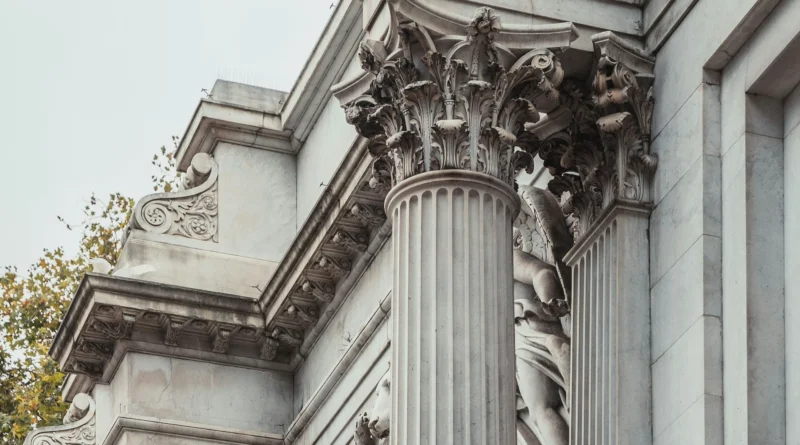
Greek builders created three key orders—Doric, Ionic, and Corinthian. Each has clear size ratios and trim details. Doric columns look solid and basic. Ionic ones appear slim with curly scrolls called volutes. Corinthian columns have fancy leaves from the acanthus plant. The Romans took these orders later. They added their own types, like Tuscan and Composite.
Materials and Construction Techniques
Greek workers mainly used limestone and marble. They built with posts and beams on top. The Romans came up with concrete. This let them make arches, curved roofs, and round tops bigger than the Greeks could. The Pantheon’s dome in Rome remains as proof of this big step in building skills. Think about how that dome has lasted over 1,900 years—it’s a real eye-opener for anyone walking inside.
Symbolism in Form
For both groups, architecture did more than serve a purpose. It held special meanings. Temples stood for godly order. Public buildings showed strength and togetherness. Each column’s height or front triangle carving added to a bigger tale about balance among gods, people, and the community.
How Did Greek Architecture Shape Western Design?
Greek architecture set up beauty rules that formed the base for Western design ideas. When you check out neoclassical spots in Paris or Washington D.C., you follow their roots back to Athens. It’s fascinating how something so old still pops up in everyday city views.
Temples as Models of Perfection
The Parthenon on the Acropolis shows Greek goals of right sizes and eye fixes. Its columns have a slight bend. This straightens out how things look bent from far away. Such a small touch proves how much Greek builders cared about what the eye sees, not just the solid build. Visitors today still marvel at that clever trick.
Public Spaces and Democracy
Greek agoras were busy public areas. They served as hubs for city life. The buildings there helped people join in talks and decisions. This setup pushed gathering and chat. You see similar ideas in today’s town squares, where folks meet for events or just to hang out.
Influence on Later Movements
In the Renaissance, builders like Andrea Palladio brought back Greek ways. They used math for exact sizes and even looks. His books spread these old ideas. They shaped building in Europe for hundreds of years. For instance, many villas in Italy today draw from his sketches, blending old charm with new comforts.
How Did Roman Architecture Expand These Principles?
Greece gave the ideas. Rome added fresh twists. Roman builders borrowed Greek looks. But they used new stuff, building tricks, and big social goals.
Engineering Mastery: Arches and Domes
Romans got really good at the arch. It spread weight well and stood strong. They used it for water channels, big open-air theaters, and victory markers. The Colosseum shows how arches mix power with nice looks. That place held up to 50,000 people for games—imagine the roar of the crowd echoing off those stone curves.
Urban Planning on a Grand Scale
Roman towns used straight-line grids. Forums sat at the center. Roads linked temples, bath houses, play stages, and shops into one smooth network. This plan still shapes how cities grow. Look at any grid-based downtown; it owes a nod to those ancient streets.
Adaptation for Empire
Greece had small city-states. Rome controlled huge lands. Its buildings showed ruling power through giant sizes. Court halls handled official work. Victory gates marked army wins. All this sent clear messages of Rome’s top spot, right there in plain sight for everyone to see.
Why Are Classical Elements Still Relevant Today?
Today’s builders keep pulling from classical parts. They give a sense of steadiness and respect. Clients like that for places such as banks or law courts. Sometimes, it’s just a subtle column nod that makes a new office feel timeless.
Enduring Aesthetic Appeal
Columns, front triangles, and round roofs stay popular. They mix plainness with impressiveness. Even simple designs often hint at classical balance without trying too hard.
Structural Logic That Lasts
The clear shapes in classical work make sure things work well with good looks. Size-based plans still help today’s rules for buildings. They focus on even weight spread and smooth space movement. In practice, this means safer, more comfy spots for people to use daily.
Cultural Continuity
Adding classical touches links now to the past. It reminds us that moving forward uses old smarts. We don’t toss them out. Instead, we build on what came before, like layering history into fresh designs.
What Are the Key Differences Between Greek and Roman Styles?
These two styles connect through history. But they split in goals and ways of doing things. Greeks aimed for calm fits with nature. Romans went for bold shows of might.
Function Versus Monumentality
Greek spots blended with their surroundings. Temples rested easy in the land around them. Romans picked flash. Their builds aimed to wow through big measures, not quiet grace.
Structural Innovation
Romans brought in concrete for curved ceilings. This opened up huge inside areas. Think of the warm baths or long halls in their big meeting places. Greeks stuck to post-and-beam setups. Those couldn’t handle such wide-open rooms.
Decorative Evolution
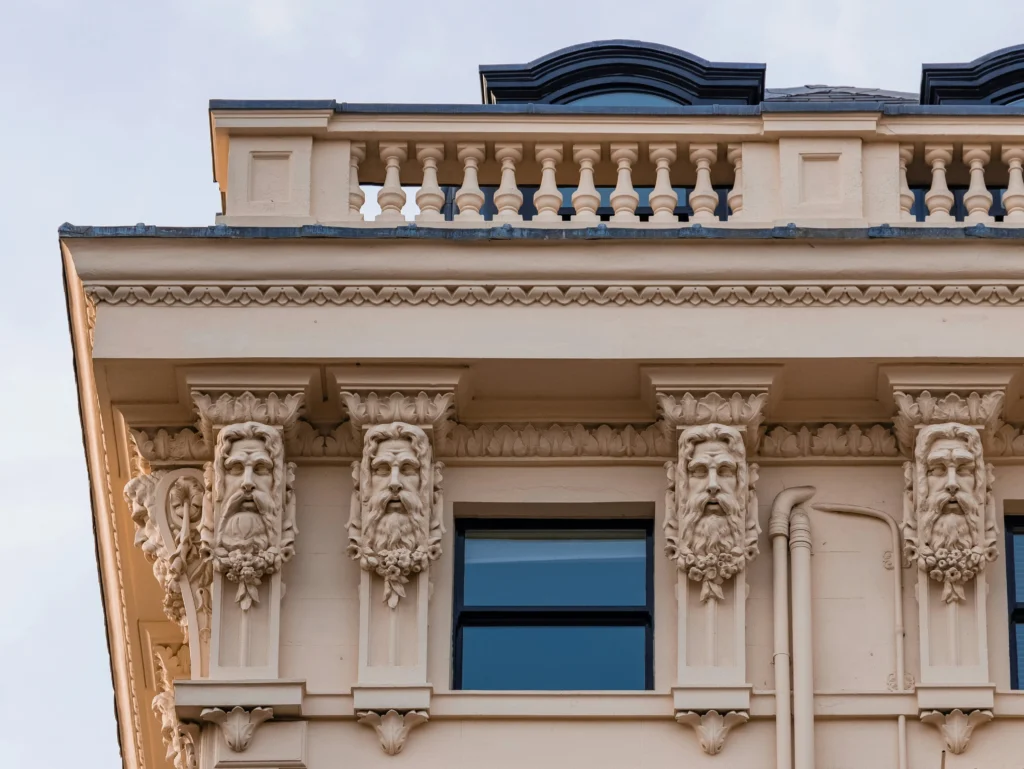
Greeks put size first, with less trim. Romans loved extras: tile pictures, wall paintings, carved stories. These added tales beyond just the build itself. It made spaces feel alive with history and daily life scenes.
How Has Classical Architecture Influenced Modern Movements?
From neoclassicism to postmodern styles, bits of classical thinking hang on through design changes over time. It’s like an old friend that keeps showing up in new outfits.
Neoclassical Revival
In the 1700s, Europe and America brought back classical parts. They stood for clear thinking and light. Spots like Thomas Jefferson’s Monticello pay respect to old ways. Jefferson even measured rooms by ancient rules to get that perfect feel.
Beaux-Arts Grandeur
Late 1800s schools taught strict setups from Roman examples. This led to huge public works. Take New York’s Grand Central Terminal. Its grand hall with high ceilings pulls you back to Roman baths, but with trains rushing below.
Contemporary Interpretations
Now, builders twist classical shapes with glass walls or computer plans. This shows old rules fit with top tech. They keep the point without losing the heart. For example, some eco-buildings use column-like supports for green roofs, merging past strength with future care for the planet.
FAQ
Q1: What Are the Three Main Orders of Classical Architecture?
A: Doric (simple), Ionic (elegant), and Corinthian (ornate) are the foundational column styles defining classical design vocabulary.
Q2: How Did Romans Improve Upon Greek Building Methods?
A: They introduced concrete construction enabling arches, domes, and large-scale public spaces beyond Greek capabilities.
Q3: Why Do Modern Governments Use Classical Styles?
A: Because symmetry and proportion convey authority and permanence—qualities aligned with institutional identity.
Q4: What Role Did Religion Play in Classical Design?
A: Temples symbolized divine harmony; every dimension aimed to reflect cosmic order believed essential for civic well-being.
Q5: Can Classical Principles Apply to Sustainable Architecture?
A: Yes; emphasis on proportioned light use, natural ventilation through courtyards, and material efficiency aligns well with sustainable goals today.