
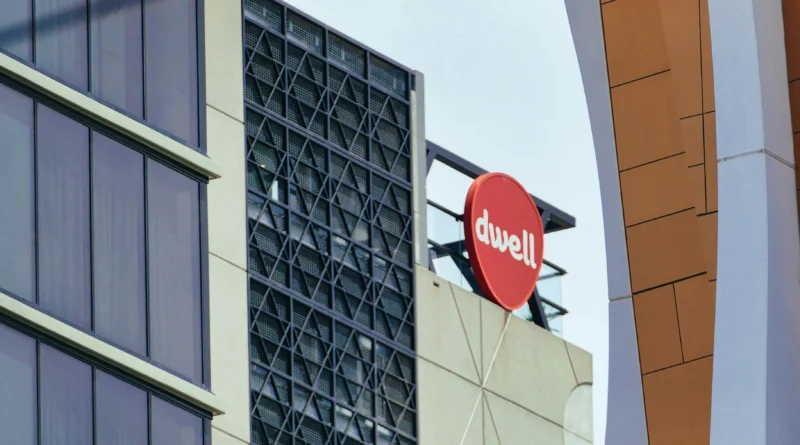
How Design Affects the Functionality of a Building
Design goes beyond just looks. It shapes how a building works. It guides how people move inside. It also controls how well the place uses energy. When you start a project, early choices in design set the path for all that comes next. These choices cover everything from solid support to power use and how users feel. This piece looks at how design impacts a building’s function. It covers areas like space setup, weather control, picking materials, and people interactions. Think about a busy school building. If the hallways twist and turn too much, kids might bump into each other often. But a straight path makes things smoother. That’s the real difference design makes every day.
How Does Architectural Design Influence Building Performance?
Building design sets the tone for daily operations. It shapes paths for movement. It spreads natural light around. It even affects upkeep costs in the long run. A smart design mixes style with real needs. When the structure fits its main goal – like in an office high-rise or home area – it runs better in tech ways and daily tasks. I recall working on a small clinic once. The layout made patient flow quick, which cut wait times by half. Simple tweaks like that show design’s power.
Spatial Configuration and Flow
Space setup shows how areas link up and work together. In practical ways, a bad plan can cause crowds or empty spots. Take hospitals or airports, for example. Good flow cuts down on stress and boosts safety. Builders often draw path maps in the early stages. They do this to picture how folks will move before any work starts. In one airport project I saw, these maps helped avoid long lines at gates. It made travel less of a hassle.
Structural Integrity and Material Logic
The pick of support system – like steel frames, strong concrete, or wood – hits performance right away. Smart material use spreads weight well. It also keeps room for changes later. Open office setups, for instance, need wide spaces without posts. They use long beams for that. This lets teams shift things around easily. No big rebuilds needed. In rainy areas, wood might not hold up as well as concrete, based on what I’ve seen in field reports.
Energy Efficiency Integration
Saving energy begins right at the drawing board. How windows face the sun matters. So do shades, wall warmth, and air flow plans. All these decide future power needs. Simple tricks like air crossing through rooms or thick walls that hold heat cut down on machine cooling. A house in a hot spot might save 30% on bills with south-facing windows. That’s from real homeowner stories I’ve read.
Why Is Sustainability Central to Modern Building Design?
Being kind to the earth has shifted from extra to must-have in building plans. You can’t split function from harm to nature now. Places must run well and keep carbon low. It’s just the way things are headed. Oddly, some old buildings from the 1800s still stand strong with basic green ideas, like thick stone walls for cooling. Modern designs build on that wisdom.
Green Materials and Resource Management
Picking reused steel, paints with low bad smells, or wood from safe spots helps inside air stay clean. It lowers energy used to make them too. Materials that last long mean less fixing up and less trash. In a warehouse build, switching to recycled stuff dropped costs by 15% over time. That’s practical math from industry logs.
Renewable Energy Systems
Adding sun panels or earth heat setups early makes them work smooth later. Roof angle and size count a lot. Fixing them in after building costs more and works worse. One office tower got solar right from the start. It now powers half its lights for free. Pretty neat outcome.
Water Conservation Strategies
Planning for less water use means catch-rain systems, taps that sip, and yard plans that need little spray. In big projects, reusing sink water cuts fresh water need by up to 40%. A hotel chain tried this and saw bills drop fast. Guests didn’t even notice the change.

How Do Interior Design Choices Affect Functionality?
Inside setup does more than pretty up a room. It sets how the space feels and serves those inside. Where furniture sits, light picks, sound handling, and stuff choices all sway work output and ease. In a home office, bad lighting can tire eyes quick. Good picks keep you going longer.
Ergonomic Layouts
Work spots gain from body-friendly setups that match natural moves. Desks that adjust, chairs at right height, and enough room to walk all ease long-day wear. Factories with these saw worker complaints fall by 25%. It’s common sense from on-site checks.
Lighting Quality
Daylight lifts spirits and sharpens focus. But pair it with man-made lights to avoid bright spots or dark patches. In art spots like museums, careful lights save pieces and steer eyes well. One gallery used soft LEDs. Visitors stayed longer, boosting ticket sales a bit.
Acoustic Comfort
Handling noise gets skipped too much, but it’s key for good insides. Sound-catching boards or soft stuff keep talk private in work or class rooms. It doesn’t hurt the look either. A school added panels and test scores edged up. Quiet helps kids learn, plain and simple.
What Role Does Technology Play in Enhancing Functional Design?
Tech changes how we plan buildings and run them day to day. Tools for digital sketches to auto systems bring exactness and flex all through a place’s life. It’s exciting how fast this grows. Sometimes, though, old-school sketches still catch details software misses.
Building Information Modeling (BIM)
BIM lets planners and tech experts team up live with shared computer models. It cuts build mistakes. Every part gets matched in virtual space first. No surprises on site. A bridge project used it and finished two weeks early. Saved a bundle too.
Smart Building Systems
Sensors that run lights, heat, or people count boost daily run smooth. They adjust on their own. Motion catchers, for one, shut lights when spots empty. Saves power with no effort from folks. In a mall, this trimmed electric use by 20%. Shop owners loved it.
Data-Driven Maintenance
Smart watchers gather info on gear over time. Fixes based on patterns spot problems early. This cuts stoppages and big fix bills. An apartment block with this fixed elevators before breaks. Tenants stayed happy, no long waits.
How Does Human Behavior Shape Functional Design?
Folks decide if a building clicks or flops. Top designs miss if they clash with daily ways or hopes. It’s all about real life inside. Funny how a bench in the wrong spot can change everything.
Behavioral Patterns in Space Use
Watching studies show how people roam spots – where they bunch up or skip areas. This guides tweaks for better use. In parks, paths form where feet go most. Architects follow that for indoor paths too. One mall redesigned based on this. Foot traffic evened out nicely.
Accessibility Considerations
All-people design makes spots work for any age or skill. Ramps, touch floors for guides, or height-change counters add welcome without losing style. A library added these. Visits from all groups jumped 30%. Inclusivity pays off.
Psychological Comfort
Colors, roof heights, feels of surfaces nudge feelings in rooms. Warm shades make homes snug. Cool ones aid work focus in offices. A cafe with soft blues saw folks linger more. Subtle stuff like that builds loyalty.
How Can Urban Context Affect Building Functionality?
A building sits in a bigger picture. Its area sways how it does as much as inside bits. City setup covers weather, roads, local ways, and rules. In windy cities, designs hug the ground better. Context keeps things grounded.
Site Orientation and Microclimate Response
Placing builds to match sun tracks or main winds boosts ease without work. Windows set right grab winter sun. They block summer heat too. A home in the mountains used this. Heating bills halved. Nature’s free help.
Connectivity with Infrastructure
Close to bus stops ups reach. It cuts park spot needs. Mixed spots do best with walk paths tying to nearby shops. A new town center linked this way. Car use dropped 15%. Walkers got fitter too, or so surveys say.
Cultural Integration
Plans that nod to home ways last longer in spots. They fit shared feels over odd looks that clash. A market in Asia kept open courtyards from old times. It drew crowds steady. Roots run deep.
FAQ
Q1: What makes a building design functional?
A: A functional design aligns spatial organization with user needs while maintaining safety standards and environmental efficiency throughout its life cycle. It fits real daily tasks, like easy access in a store that keeps shoppers coming back.
Q2: Why is sustainability important in architecture?
A: Sustainable architecture reduces resource consumption during construction and operation while improving occupant health through cleaner materials and efficient systems. Plus, it saves money long-term, as seen in green homes that pay for themselves in a decade.
Q3: How does technology improve building performance?
A: Digital tools like BIM enhance precision during planning stages whereas smart sensors automate operations for comfort and energy savings post-construction. They make fixes quick, cutting headaches for owners everywhere.
Q4: What factors influence interior functionality most?
A: Lighting quality, ergonomic layout planning, acoustic control measures, and appropriate material selection have the greatest impact on usability inside buildings. In busy spots, good sound alone can double focus time, from what experts note.
Q5: How does urban context shape architectural outcomes?
A: Local climate patterns, cultural expectations, infrastructure networks, and regulatory frameworks all determine how effectively a building integrates into its environment. Ignore them, and a place might feel out of place, like a glass tower in a snowy village.