
How Do Different Building Styles Affect Home Value
Architectural design goes beyond just looks. For lots of homeowners and investors, the way a house is built can really change its price, how buyers see it, and how it does in the market over time. From the simple lines of modern minimalism to the fancy details in Victorian homes, each type of building brings its own money effects. This article looks at how different building styles shape home value. It covers things like past appeal, material strength, energy savings, and what people want in different areas.
Why Do Architectural Styles Influence Property Value?
The style of a house often decides its spot in the market. People buying homes link some styles to high status, cozy living, or local history. A nice Craftsman bungalow might draw a crowd different from a sharp contemporary loft. Plus, the style hints at how well it’s built. Materials in old stone houses are quite different from those in light modular homes.
Historical Significance and Cultural Appeal
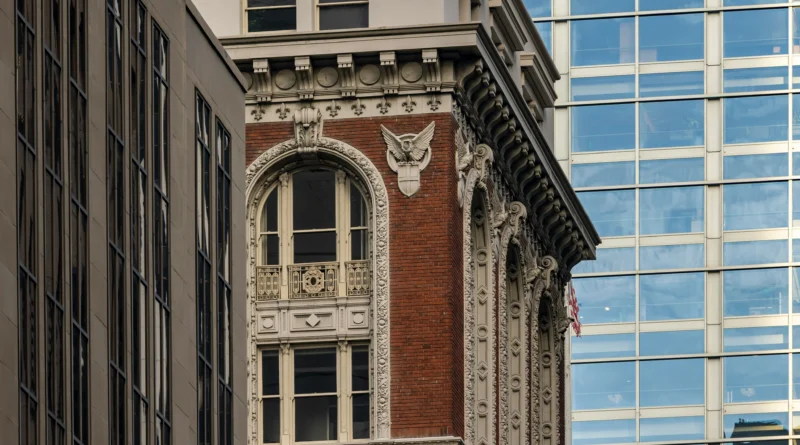
Old building styles like Colonial Revival or Tudor Revival usually get higher prices. That’s because they link buyers to the area’s past. In places like Boston or Charleston, these heritage designs add to the neighborhood’s nice feel and steady value. Keeping them up can also get owners tax breaks or money help from groups that protect cultural spots. I remember walking through a historic district once, and you could see how those old houses made the whole block feel special and worth more.
Modern Design and Market Trends
Modern architecture focuses on open rooms, plenty of natural light, and green materials. These parts match what buyers want now for rooms that change easily and designs that help the planet. Real estate info from Zillow (2023) shows that homes called “modern” or “contemporary” sold for as much as 15% more per square foot than older usual designs in the same areas. It’s interesting how in busy cities, folks snap up these homes fast because they feel fresh and practical.
Regional Compatibility and Buyer Demand
A house’s style needs to fit with where it is. A Mediterranean villa might look odd in a chilly northern spot. But it works great in sunny coastal California or Florida. This fit affects not just how it looks but how well it holds up. For example, flat roofs in desert styles can have trouble with lots of snow in other places. Buyers in those sunny spots often pay extra for that beachy vibe, even if it means higher AC bills in summer.
How Does Material Quality Differ Across Building Styles?
The choice of materials sets both how long things last and how fancy they seem. Some building ways aim for cheap building. Others stress good work and lasting power. People buying often think strong materials mean the home keeps its value better over years.
Traditional Masonry and Timber Construction
Brick and stone stand for lasting strength. Homes in Georgian or Tudor style often have thick masonry walls. These give good warmth keeping and quiet blocking. Timber-framed Craftsman houses show careful wood work that draws people who want real feel over factory-made stuff. In rainy areas, I’ve seen how those brick walls hold up without much trouble, saving owners cash on fixes.
Contemporary Materials and Innovation
Modernist architecture uses steel frames, glass walls, and concrete mixes. These let builders make big shapes with straight lines. They help with wide windows and big inside spaces. But they need special care to stop rust or heat loss as time goes on. One time, a friend fixed up a glass-heavy modern place, and he had to check seals every year to keep it snug.
Sustainable Materials in Eco-Friendly Styles
Green building ways add bamboo floors, reused steel, or saved wood to their looks. Passive house ideas, seen in Scandinavian-style homes, use top insulation to cut energy use by up to 80%, based on the Passive House Institute (2022). It’s cool how these choices not only help the earth but also lower bills, making the home more appealing to families watching costs.
What Role Does Energy Efficiency Play in Home Valuation?
Saving energy in design went from a small thing to a big reason to buy. More buyers now think about lower power bills when figuring a home’s price.
Insulation Performance by Style
Older Victorian homes often have weak warmth keeping because of old wall setups. Mid-century modern designs with flat roofs can trap heat too much. But newer simple builds usually add strong insulation right into the walls. This makes a real difference in cold winters, where you notice the cozy feel without cranking up the heat.
Renewable Energy Integration
Solar panels fit better on modern flat roofs than on steep old ones. Yet, new fixes like solar shingles let people add power without messing up the classic look. This is a rising way for owners who care about keeping history but want green perks. In sunny states, homes with these setups sell quicker, often by 10-20% more, from what agents say.
HVAC Systems and Smart Technology
Smart thermostats and room-by-room heat systems are common now in many new houses. They make living comfy and boost the chance to sell later. That’s since watching energy use draws in tech fans who like controlling their bills. Picture coming home to a place that adjusts itself—it’s a small luxury that adds real worth.
Are Certain Building Styles More Resilient Over Time?
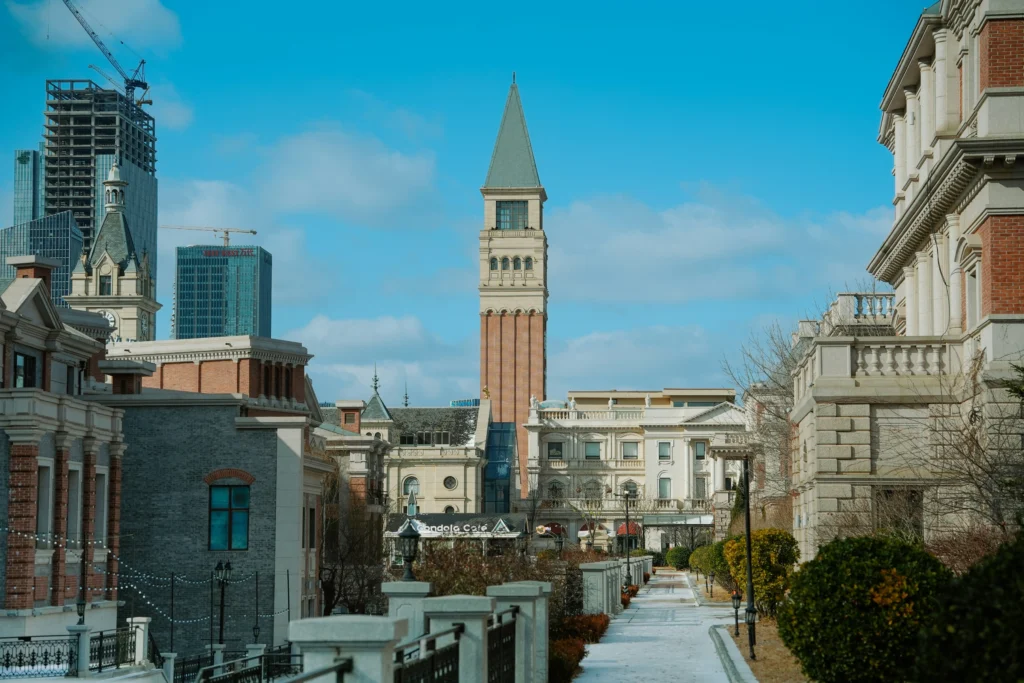
How well a design holds up matters a lot for keeping home value through many years. Some forms fight weather better thanks to smart building or good materials.
Climate-Responsive Architecture
Spanish Colonial homes use thick stucco walls. These handle hot and cold changes well in dry spots. On the other hand, New England Cape Cods have steep roofs for dropping snow. This cuts water harm risk in tough winters. In places like Colorado, those steep roofs save headaches during big storms, keeping values steady.
Maintenance Requirements by Design
Modern buildings with flat roofs need checks for water proofing often. Traditional homes with sloped roofs get help from natural water flow. How often you fix things can change costs for owners a lot as years pass. It’s one of those hidden parts that surprises new buyers if not explained upfront.
Longevity Through Craftsmanship
Hand-made parts like carved wood edges or iron fences not only make it pretty but show lasting skill. When kept right, this work can gain value over time. Think of an old house with original trim—it’s like a piece of art that buyers pay extra for, especially in historic spots.
How Do Building Styles Interact With Neighborhood Character?
A home’s design doesn’t stand alone. It adds to the whole area’s feel. When houses match, it often makes the place more wanted in the market.
Architectural Harmony Within Communities
Areas where building parts line up—like roof shapes or front looks—keep home prices even. Visual match makes it seem neat and high-class. In quiet suburbs, this harmony can bump values by 5-10%, based on local sales data I’ve glanced at.
Impact of Incompatible Renovations
Adding super-new parts to old fronts can split what buyers think. New ideas pull some people in. But too much difference might push away those who like the area’s true feel in old zones. Sometimes, it works out, like a modern kitchen in a classic shell, but balance is key.
Role of Zoning Regulations
City rules on building often limit outside changes to guard the area’s style. Following them keeps things matching but cuts room for big changes. Homeowners who want wild updates find this frustrating, yet it protects everyone’s investment in the long run.
Can Mixed Architectural Styles Affect Perceived Value?
Mixing styles in one house can add nice layers or cause mix-ups, based on how it’s done.
Transitional Design Approaches
Transitional architecture blends old even shapes with new plain ways. It uses soft colors with usual edges. This draws in many types of people who want old charm plus easy modern life. It’s like a bridge between eras, popular in growing towns where families mix.
Risks of Stylistic Overlap
Bad mixes can look jumbled. Uneven roofs or odd window sizes might show poor fix-up work. This can drop scores when experts check value for selling. In one case I heard, a botched blend scared off buyers until they redid it simply.
Market Reception Trends
Info from Realtor.com (2023) says transitional homes sell about 8% faster than plain old ones. They fit buyers who like past feels and new clean looks. This middle way helps builders reach more people in varied markets. Plus, in fast-changing areas, these homes adapt well to new trends without full teardowns.
FAQ
Q1: What building style adds the most resale value?
A: Homes with lasting designs like Craftsman or Colonial Revival usually do well when selling again. Their steady like across age groups keeps prices up.
Q2: Do minimalist modern homes appreciate faster?
A: In city spots that stress green ways and big open areas, these simple modern places often gain value quicker. Young buyers like the useful setup over extra decorations.
Q3: How does regional climate affect preferred building style?
A: Weather shapes building picks. Mediterranean villas do well in dry lands. Alpine chalets fit snowy hills. This makes sure living stays comfy with the local setup.
Q4: Are historic renovations worth the investment?
A: Fixing up old parts can lift home value a lot if done true to the time. But costs go up when finding real materials or following rules from local history groups. Still, in tight markets, it pays off big.
Q5: Which materials best combine durability with sustainability?
A: Reused steel frames with saved wood covers give strong hold against weather and less harm to nature than usual concrete builds. They’re practical for builders eyeing long-term green trends.