
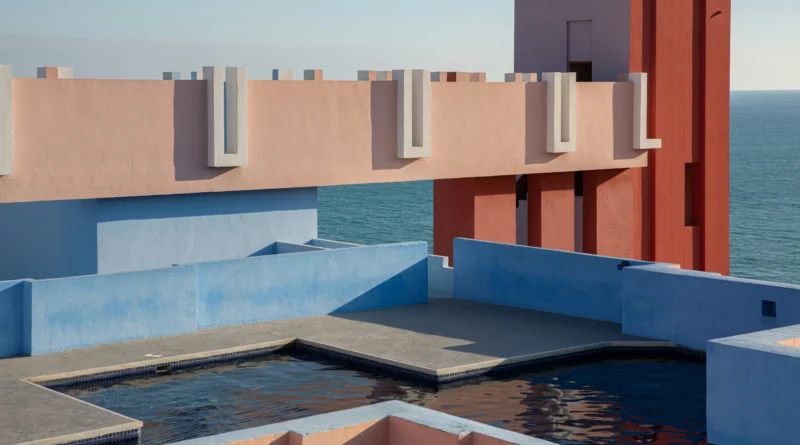
How Modernism Influenced Building Design in the 20th Century
Modernism changed the basic ideas behind buildings. It altered how people thought about them, built them, and used them. This shift went beyond just looks. It touched on deeper beliefs about what architecture should do. In the 20th century, builders turned away from fancy details and copies of old styles. Instead, they focused on real use, plain shapes, and fresh materials. All this reshaped city views. It questioned old ways of making things by hand. And it set the stage for the simple looks we see in buildings now. Take a walk through any big city today. You can spot those clean lines everywhere. It’s like modernism left its mark on the skyline forever.
What Sparked the Rise of Modernism in Building Design?
The start of modernism linked closely to big changes in factories and society. Cities grew fast in the late 1800s and early 1900s. New tools came along. People’s values shifted too. Builders wanted to show these shifts in their work. They picked new shapes that showed true structure and real stuff used.
Industrial Revolution as a Catalyst
Places like factories, train tracks, and iron bridges showed what could be done with new builds. The Industrial Revolution brought cheap-made items such as iron and steel. These let builders make tall, light setups. Look at the Crystal Palace from 1851. Joseph Paxton made it with glass and iron. It held huge open areas without thick stone walls. That was an early sign of what modernism would push for. Imagine stepping inside—light poured in from all sides, making the space feel alive and new.
Reaction Against Ornamentation
Some builders, like Adolf Loos, said fancy bits went against moving forward. He wrote an essay called “Ornament and Crime” in 1908. It acted as a strong call for clean, useful designs. So, buildings started to show what they were for right through their shape. No extra pretty stuff needed. This idea spread quickly in Europe, where old ornate buildings had ruled for so long.
Influence of Technological Innovation
New ways with strong concrete let inside rooms flow without walls holding up weight. This freed builders from stiff layouts. They could make open spots that fit better for daily life and jobs now. Think about offices back then—suddenly, workers had more room to move around. It made sense for the busy times.
How Did Modernist Principles Redefine Architectural Form?
Modernism stressed clear thinking, plain views, and good use of space. Its main ideas came from the thought that plans should help people. At the same time, it took in factory ways of doing things. Not every building followed this perfectly. Some mixed in local twists, which added flavor to the strict rules.
Function Over Form
Louis Sullivan said it well: “form follows function.” That became a key guide. Builders planned from the inside first. Every part had a job. This led to places like Frank Lloyd Wright’s Unity Temple from 1908. There, the room setup shaped how it looked outside. It felt practical, like the building knew its role from the start.
Simplicity and Geometry
Straight lines took over from bends. Flat tops beat sloped ones. The Bauhaus school, started in 1919 by Walter Gropius, pushed basic shapes as a way to match factory exactness. Each line meant something. Nothing extra hung around. Students there learned hands-on, mixing art with real building skills. It was tough but exciting.
Integration of Art and Technology
Mixing creative ideas with solid building know-how marked this style. Builders worked with makers, tech experts, and artists. They made whole pieces where the build itself looked good. No need for add-ons. In places like Germany, this teamwork sparked real change in how schools taught design.
How Did Key Figures Shape Modern Building Design?
A few builders stood out in modernism. They tried bold new ways with shapes, rooms, and stuff. Their work pushed others to think differently. Without them, the movement might have stayed small.
Le Corbusier’s Vision of Functional Living
Le Corbusier saw buildings as “a machine for living.” His Villa Savoye from 1931 showed his Five Points. These included columns to lift it up, open floor plans, free outside walls, long strip windows, and a top garden. Such thoughts set a standard for homes around the world. Families in those houses felt the fresh air and light more than ever. It was a big step from cramped old homes.
Ludwig Mies van der Rohe’s Minimalist Ethos
Mies said “less is more.” That summed up the plain charm of this style. His Barcelona Pavilion from 1929 used glass, steel, and marble. It got grace from balance, not extras. Walk through it today, and the open flow still amazes. Water pools reflect the sky, making the space feel endless.

Frank Lloyd Wright’s Organic Architecture
Wright went a different path from Europe’s strict ways. He mixed builds with nature around them. Fallingwater from 1937 used concrete steps that fit with rocks in Pennsylvania. It proved new stuff could work with the land, not fight it. Visitors often say it feels like part of the waterfall, not just near it. That personal touch made his work stand out.
How Did Modernism Influence Urban Planning?
Ideas from modernism went past single builds. They touched whole towns. City planning turned into a tool for fixing social issues. It also sorted out spaces. But not all plans worked as hoped—some cities ended up too spread out.
The Concept of the Radiant City
Le Corbusier dreamed of tall blocks in green areas. This aimed to fix packed factory towns. Full versions were rare. Still, his thoughts shaped homes after the war. From Paris outskirts to U.S. projects, they left a mark. In the 1950s, over a million people lived in such setups across Europe. It was efficient, but sometimes lonely.
Zoning and Functional Separation
Towns split into spots for homes, jobs, fun, and travel. This matched modernism’s love for order. Yet, it often made dull places without busy streets or mix. People missed the old walkable neighborhoods where shops and homes blended.
Postwar Reconstruction Efforts
After World War II, many European towns used these ideas to rebuild. Ready-made home blocks sped things up. But talks grew about losing community feel against even looks. In Britain, for example, over 300,000 units went up in just a decade. Speed helped, yet it sparked regrets later.
Why Did Modernism Face Criticism Later in the Century?
By the late 1900s, problems showed in modernism’s bright dreams. People said it skipped local ways and feelings for one-size-fits-all. This backlash grew strong in the 1960s, as real life didn’t match the promises.
Perceived Coldness of Design
Glass and steel boxes stood for business distance, not forward steps. Folks in new home areas felt cut off. The big size and plain feel lacked cozy touches. In rainy climates, those flat roofs leaked too, adding to the gripes.
Social Failures of Urban Renewal
Plans from this style often pushed out groups instead of helping. The tear-down of St. Louis’ Pruitt-Igoe in 1972 signaled the end of trust in design fixing all. Built in 1954 for 2,800 families, it failed due to poor upkeep and isolation. That image of it crumbling hit hard.
Emergence of Postmodern Reaction
Builders like Robert Venturi pushed for mix over plain. Postmodern ways brought back colors, signs, and old nods. These were things early ones left out on purpose. It felt like a fun rebellion, adding personality to stiff designs.
How Does Modernism Continue to Influence Contemporary Architecture?
Though it lost its top spot, modernism’s effects last in today’s builds around the globe. New twists keep it fresh. It’s not stuck in the past—it’s evolving with real needs.
Sustainable Minimalism
Today’s green builds take modernism’s clear lines. But they add care for the earth. Things like air flow without machines or reused stuff fit in neat shapes. In places like Scandinavia, homes now cut energy use by 40% this way. It’s smart and simple.
Adaptive Reuse of Modernist Icons
Lots of mid-1900s builds get fixed up, not torn down. Their worth as history grows. Take London’s Barbican Estate. It shows how rough concrete can shine when cared for right. Now, it houses arts spots and homes, blending old bold with new life.
Digital Fabrication Inspired by Rational Ideals
Computer tools stretch modernism’s clear thoughts into tech worlds. They shape builds by numbers for best fit. Yet, they keep the plain look. It’s like Bauhaus smarts now run by smart programs. Architects use software to test ideas fast, cutting waste by half in some projects.
FAQ
Q1: What defines modernist building design?
A: It puts real use ahead of pretty bits. It picks factory stuff like steel or glass. And it stresses basic shapes from smart build ways in the early 1900s. Simple as that, but it changed everything.
Q2: Who were the leading figures behind this movement?
A: Le Corbusier, Ludwig Mies van der Rohe, Walter Gropius, and Frank Lloyd Wright each added their own spin. From machine-like feels to blending with nature, they covered a lot.
Q3: How did technology affect architectural possibilities?
A: New tricks like strong concrete frames opened up rooms without thick walls. Big glass sheets let inside meet outside with clear views. It made homes brighter and more connected.
Q4: Why did some people reject modern architecture?
A: Lots felt it skipped home traditions or comfy feels. Repeat gray blocks missed charm or ties to folks, even if they aimed for quick builds. Sometimes, it just felt too cold for daily life.
Q5: Does modernism still matter today?
A: Sure—it shapes green plans now. They stress true stuff and neat lines. Plus, they fit in today’s earth worries. Without it, we’d lack the base for smart, lasting designs.