
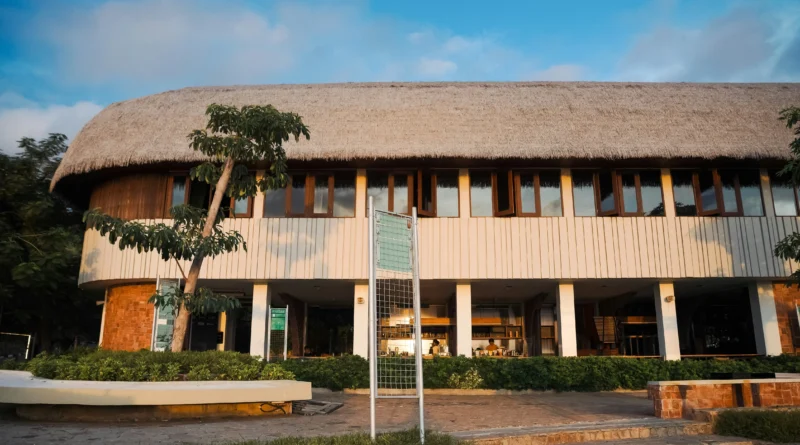
How To Choose The Right Building Styles For Your Project
Picking the correct building style for your project goes beyond just looks. It impacts costs, materials, eco-friendliness, and how the structure blends into its surroundings. For folks in architecture or construction, the real trick is matching the design idea with real-world use and the local setting. This piece looks at main questions that help you pick the best building style for your work.
What Factors Influence Your Choice of Building Styles?
When you plan a new structure, many things shape your pick. You need to weigh if it’s doable technically against your creative aims. Plus, think about local rules and what people in the area expect. The whole thing calls for sharp thinking and gut feelings too.
Architectural Function and Purpose
Each building has a job to do. It could be for homes, shops, schools, or a mix. And each job needs its own room setups and support systems. Take a hospital. It has to focus on easy movement and keeping things clean. On the other hand, a family house might stress coziness and personal space. So, the job shapes the shape and stuff you use in your building style.
Site Conditions and Climate
The land and weather around your spot matter a lot in picking styles. In wet, hot places near the equator, designs with big overhangs let air flow freely. But in chilly areas, tight shapes help trap warmth inside. If you get how heat, breezes, and sun play out on your land, your building will work better all year. For instance, I’ve seen projects in rainy spots where poor planning led to constant leaks—lesson learned early.
Budget and Material Availability
Your money sets the size and what stuff you can grab. Things from nearby often cut costs and fit the local vibe. Wood frames shine in wooded spots because they’re easy to find. Concrete rules city builds for its strength and safety from fires. Budgets can surprise you; one time, a client saved 20% by switching to local stone instead of shipping fancy imports.
How Do Regional Traditions Affect Building Styles?
Local ways shape buildings through habits, skills, and fitting the land. A structure that nods to the area seems real and green, not forced in.
Vernacular Architecture as Inspiration
Vernacular building grows from what’s around and what folks need. It shows years of tweaking to weather and daily life. You can pull ideas from it to make designs that feel at home. And they mix in today’s features too. It’s like drawing from old farmhouses for a cozy feel without the old hassles.
Cultural Symbolism in Design
Local beliefs show up in building patterns or how spaces flow. Even shapes might mean steadiness in old European styles. Open yards stand for peace in lots of Asian setups. You can add these signs in a light way. That builds a warm link without messing up how it works now.
Modern Adaptations of Traditional Forms
Today’s builders often tweak old shapes with fresh stuff or tools. Think of an office that looks like a barn but uses steel beams. Or a simple version of old house fronts. It shows how past and new can mix well if you think it through. In my view, these blends keep history alive in busy cities.
Which Building Styles Offer the Best Energy Efficiency?
Saving energy matters more in building these days. Rules push it, and clients want it. Some styles just do better at using less power from the start.
Passive Design Strategies
Passive ways cut down on machines by using sun, air, and insulation smartly. Where you face the building counts big. South windows catch winter light. Shades block hot summer rays. Thick walls or plant-covered roofs keep temps steady. Simple tweaks like these can drop energy bills by 30%, based on real builds I’ve read about.
Integration of Renewable Energy Systems
New structures now weave in sun panels, earth heat, or water catchers right into the look. Not as add-ons later. Styles with room for roof setups or wall mounts fit these green tools best. It’s practical; one project I recall added panels that powered the whole thing off-grid for months.
Sustainable Materials and Construction Methods
Green stuff like packed dirt, fast-growing bamboo, or reused metal cuts the energy locked in materials. Building parts ahead in factories cuts mess on site. This works well with clean, modern looks. Prefab saved time on a school build I heard of—done in half the usual weeks.
How Does Technology Shape Contemporary Building Styles?
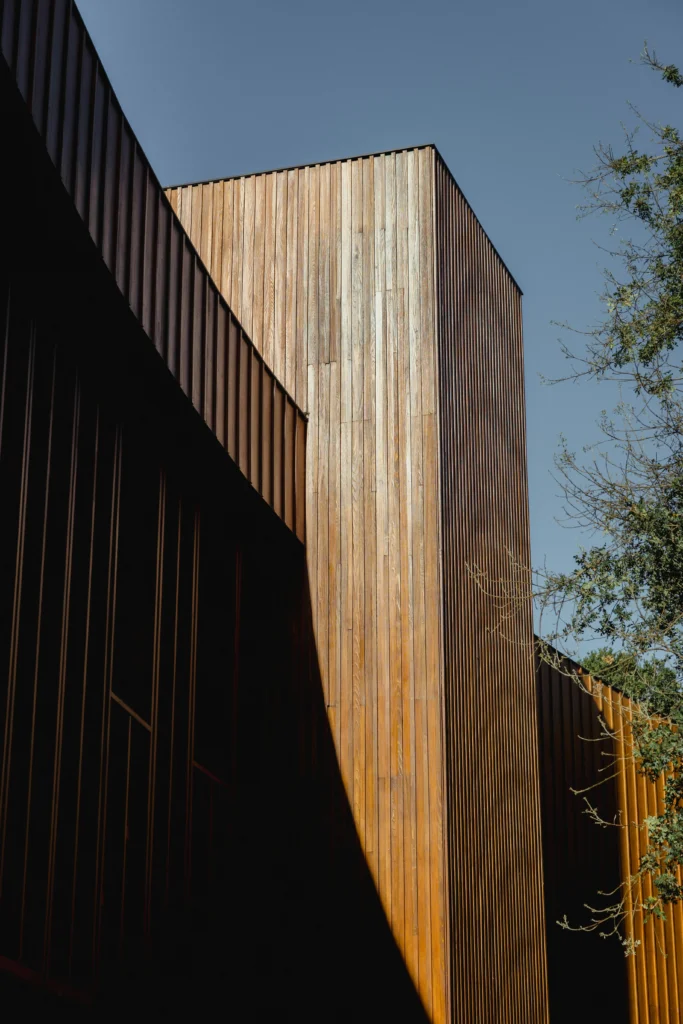
Tech keeps changing what’s doable in building. From computer drawings to smart gadgets inside walls.
Digital Design Tools
Building Information Modeling, or BIM, lets you see tricky shapes clearly before starting. Software for changing designs fast helps test options. You get strong builds that look good too. It’s a game-changer; teams now spot issues early, avoiding pricey fixes down the line.
Smart Building Systems
Sensors that adjust lights, heat, and locks based on who’s there work quietly. They fit smooth styles with plain lines. Wires and controls hide easy in those. Imagine a office where lights dim when no one’s around—saves power without effort.
Advanced Construction Techniques
Printing parts in 3D isn’t just for tests anymore. It’s making homes around the world. Modular builds snap together quick without losing quality. Great for city spots needing fast work. One neighborhood used this to house families in under a year, beating weather delays.
What Role Does Sustainability Play in Selecting Building Styles?
Being green means more than saving power. It covers lasting strength and caring for nature over the whole life of the building. Sometimes it’s tough to balance, but worth it.
Life Cycle Considerations
A green style looks at first costs and upkeep for years. Tough materials mean less fixing later. Flexible rooms let you change things without tearing down. Think long-term: a building from the 70s still standing strong because of smart choices back then.
Environmental Integration
Plans that match the land use its curves or plants. That cuts harm to nature. Structures that touch the ground lightly use lifted bases or soak-up floors for rain. It helps water flow natural. In flood-prone areas, this has prevented damage in real storms.
Social Sustainability
Besides green stats, think how spaces build ties or keep ways alive. Yard homes or group plant roofs spark chats between neighbors. They keep space private too. It’s key for good living spots. Communities I’ve seen thrive when designs encourage small talks over fences.
How Can You Balance Aesthetics With Practicality?
Finding a middle ground between nice looks and real use makes top buildings. Bold designs spark ideas. But real limits keep it lasting and handy.
Structural Integrity Versus Artistic Expression
A cool overhanging part must hold weight safe. Looks can’t beat safety rules. Work tight with engineers from the start. That stops big changes later that cost extra. Safety first—I’ve noticed projects drag when this step skips.
Maintenance Requirements Over Time
Some surfaces wow at first but fade quick without care. Pick strong covers like cement fibers over raw wood in tough spots. It keeps the look longer without big upkeep money. Over years, this pays off in less hassle.
User Comfort and Accessibility
Design serves folks above all. Plenty of natural light boosts mood. Easy paths help everyone, young or old, able or not. A pretty spot flops if it’s hard or uneasy to use every day. Comfort wins; users stick around longer in thoughtful spaces.
FAQ
Q1: What Is the Most Popular Building Style Today?
A: Minimalist modernism remains highly favored for its clean lines and adaptability across residential and commercial projects alike (source: Architectural Digest 2023).
Q2: How Do Climate Zones Affect Building Style Selection?
A: Hot climates benefit from shaded verandas and cross-ventilation layouts; cold climates rely on compact insulated forms that retain heat efficiently (source: U.S. Department of Energy 2022).
Q3: Are Traditional Building Styles Still Relevant in Modern Projects?
A: Yes, many architects reinterpret classic elements using contemporary materials to maintain cultural resonance while meeting current standards (source: RIBA Journal 2023).
Q4: What Style Is Best for Sustainable Construction?
A: Passive solar designs paired with renewable energy integration perform best environmentally across diverse contexts (source: World Green Building Council 2022).
Q5: Can Mixed-Use Developments Combine Different Styles Successfully?
A: Absolutely—transitional architecture blends multiple aesthetics coherently through consistent material palettes or proportional harmony (source: Urban Land Institute 2023).