
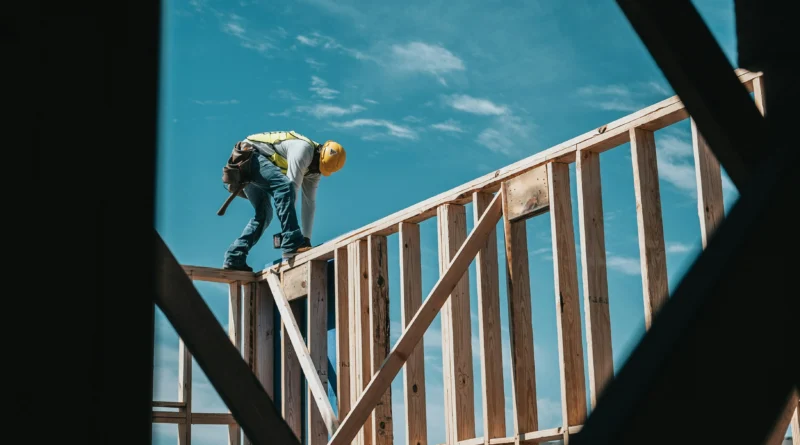
How to Ensure Quality Control in Building Construction
Quality control in building construction goes beyond a simple list of tasks. It forms a steady effort that shapes the outcome of every job. For folks working in this area, keeping up strong standards involves juggling expenses, deadlines, and safety. You can’t cut corners on lasting strength or following rules. This piece looks at ways, setups, and smart habits that aid in holding steady quality from start to finish in the building process.
Why Is Quality Control Essential in Building Construction?
In building construction, quality control makes sure that all supplies, steps, and results match the planned design and legal rules. If you skip it, even smartly planned jobs might break down too soon. Or they could need pricey fixes later. Picture quality control as a regular check-up. It guards the builder’s good name and keeps users safe from harm.
Compliance With Standards and Regulations
Each building job has to follow country-wide and local guidelines. Think of the International Building Code (IBC) or ISO 9001 for quality management systems. These rules set clear limits for supplies, worker skills, and how things work. Plus, they offer solid points to measure during checks. I recall a project in Texas where sticking to IBC rules saved a team from a major fine—real-world stuff like that shows why it’s key.
Reduction of Rework and Waste
Fixing mistakes eats up a lot of the budget. Reports from McKinsey & Company (2020) point out that weak quality handling can bump up overall costs by as much as 15%. Good quality control spots problems right away. That stops them from turning into big, costly changes. On one site I heard about, early checks cut waste by half, which kept the whole team on track without extra spending.
Enhancement of Client Satisfaction
A building that works just right—with no drips, splits, or breakdowns—builds trust in your skills. Steady work like that creates lasting ties. It often brings back jobs or word-of-mouth leads. Clients feel good when everything holds up, and that’s what keeps the business rolling year after year.
How Can You Establish an Effective Quality Control Plan?
You need a solid plan to keep the same level of work in every stage of building. It lays out what people expect from staff, supplies, tests, and paperwork. Without it, things can slip through the cracks easily.
Defining Roles and Responsibilities
Everyone involved—from designers to on-site bosses—needs to understand their job in keeping quality high. Open talk lines avoid mix-ups or ignored duties. Take site engineers, for instance. They should double-check steel bar positions right before pouring concrete. That simple step prevents headaches down the line.
Setting Inspection Checkpoints
A smart schedule for checks includes planning before work starts. It covers looking at supplies when they arrive. You also review key installs and do final tests before handover. Now, digital tools let you report issues live. They store photos in online spots for easy access. This setup makes tracking smoother than old paper methods ever did.
Documentation and Record Keeping
Good records give you a clear trail to follow. Log every test outcome, supply paper, or fix you make. Do it in an orderly way. If arguments or reviews come up, these notes act as solid proof you followed the rules. In my experience from industry chats, teams that skip this often regret it during audits.
What Role Do Materials Play in Construction Quality?
Choosing the right supplies affects how strong and reliable a structure turns out. Even the best plans flop if you use cheap or wrong materials. It’s like building a house on sand—looks fine until the first storm.
Verification of Material Sources
Get supplies only from trusted sellers who match known rules like ASTM or BS specs. Pick a few items at random when they show up. That confirms the whole batch is steady before you use it on the job. Skipping this can lead to surprises, like the time a batch of faulty bricks delayed a school build by weeks.
Testing Procedures Before Application
Lab checks—such as slump tests for concrete or pull tests for steel—make sure things fit the plan. On-site tests add to that by seeing how supplies hold up in real weather and dirt. These steps catch flaws early. They save time and money in the long run.
Storage and Handling Practices
Bad storage ruins supplies fast. Keep cement dry to avoid lumps from water. Store steel up off the dirt to stop rust. For ready-made parts, use padding during moves to dodge scratches. Proper care here means less waste and better results overall.
How Does Technology Improve Quality Control?
New tools have changed how builders watch over quality on busy sites. They make spotting issues quicker and easier than before.

Building Information Modeling (BIM)
BIM helps groups see where parts might bump into each other before real work happens. It mixes design info with time plans. So, you catch off-track spots early, not after putting things in place. On a recent office tower project, BIM spotted a pipe clash that would have cost thousands to fix later.
Drones and Remote Monitoring
Drones give bird’s-eye views to find bumpy ground or off-line spots on big jobs like bridges or tall buildings. Far-off sensors watch heat changes in setting concrete. That’s vital for building solid strength. These gadgets cut down on guesswork and keep things precise.
Digital Quality Management Systems (QMS)
Online QMS setups pull info from all groups into one main screen. They create auto reports on problems. This lets you fix things right away, not after slow hand-checks. It’s a game-changer for teams spread across large areas.
What Are Common Challenges in Maintaining Construction Quality?
Even pros run into roadblocks when pushing for tight quality rules with varied workers and short timelines. These hurdles pop up often, but knowing them helps you prepare.
Workforce Skill Gaps
Workers without proper training often do uneven jobs. Hold regular classes on right ways to install things. This evens out work across day and night shifts, plus outside helpers. One firm I know boosted skills with weekly sessions, and their error rate dropped noticeably.
Time Pressure From Tight Schedules
Hard deadlines push teams to rush checks or shorten wait times for concrete to harden. Bosses need to mix fast pace with care. Build in extra time slots right from the planning. That way, you avoid cutting vital steps just to meet a date.
Communication Barriers Among Teams
Bad talk between planners, builders, and sellers leads to wrong ideas. Hold group talks backed by shared online tools. This cuts down on mix-ups a lot. In one case, a simple app for updates fixed delays caused by old phone calls.
How Can Continuous Improvement Be Integrated Into Construction Projects?
Quality checks don’t stop when the building is done. They grow through feedback that sharpens next jobs. It’s about learning as you go, not just checking boxes.
Post-Construction Evaluation
After people move in, check how systems hold up in daily use. Gather facts from there to pick better supplies or tweak designs for later. This real feedback loop makes future builds stronger and smarter.
Benchmarking Against Industry Leaders
Look at how top companies do things. Compare your ways to theirs in safety habits or cutting waste. It points out weak spots and pushes you to try their good ideas. Following leaders often sparks fresh approaches in your own work.
Adoption of Lean Construction Principles
Lean ideas cut out useless steps like extra checks or too much moving of supplies. By trimming these, you speed up work without dropping watchfulness. Many sites see big gains in flow and less clutter this way.
FAQ
Q1: What Is the Primary Goal of Quality Control in Building Construction?
A: The chief aim is to make sure every part of the job hits the planned specs, safety guidelines, and what clients want. At the same time, it cuts down on flaws and fix-up costs. In practice, this means fewer headaches for everyone involved.
Q2: How Often Should Inspections Be Conducted During Construction?
A: Do checks at set points—like before key setups such as steel bars or water-proof layers. Also after finishing stages like paint or floors. Frequency depends on the job size, but regular ones keep quality steady.
Q3: Can Technology Replace Human Supervision Entirely?
A: No, tools help but can’t take over for people’s know-how. They boost rightness with auto tasks, yet skilled workers read the full picture on the ground. Humans add the judgment that machines miss.
Q4: Why Is Documentation Important for Quality Assurance?
A: Records track choices made on the job. They act as proof in fights or claims down the road. Without them, it’s hard to show you did things right, especially years later.
Q5: What Happens If Non-Conformity Is Found After Completion?
A: You take fix steps based on the contract deal. This could mean repairs paid by the builder or longer guarantees if the issue is bad. Handling it quick keeps trust and avoids bigger troubles.