
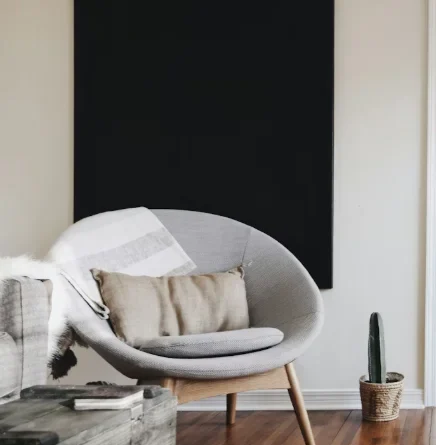
Is Organic Modern Style Redefining the Future Of Interior Design
What Defines the Essence of Organic Modern Style?
Organic modern style stands out as a key trend in today’s interior design world. It blends real natural stuff with sharp modern shapes. This mix makes rooms feel steady yet classy. Folks who like easy setups but want some coziness and real feelings in their spots often pick it.
Think about it. In a busy day, coming home to a place that just feels right can change everything. I remember walking into a friend’s living room once, and the way the wood walls caught the light made the whole space alive.
The Fusion of Natural Elements and Modern Aesthetics
The heart of organic modern style mixes basic items like wood, stone, and linen with straight modern edges. This setup strikes a good match between plain looks and cozy vibes. It skips that empty feel. You step into one of these rooms, and right away, you sense the touch of things—like the rough pattern in oak wood or the soft feel of woven linen. These add real layers to the eye-pleasing setup. The whole idea pushes for careful choices without losing ease. Natural flaws bring a soft personality to each part, almost like the room has its own quiet story.
The Role of Neutral Palettes and Textural Depth
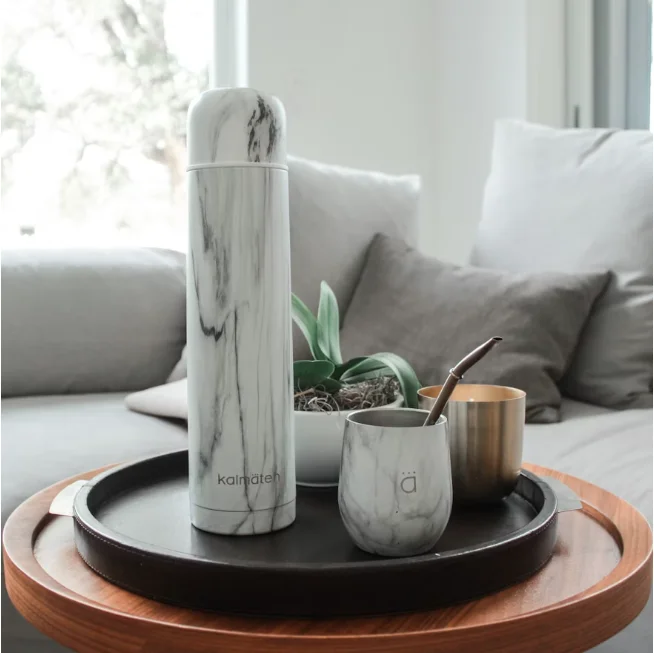
Colors work in a quiet but strong way in organic modern rooms. Gentle, dull shades drawn from the outdoors—like sand colors, clay browns, or misty grays—give a lasting charm. Stacked textures build up the feel without messing up the area. For example, you might pair a fluffy boucle couch with a flat marble table. That creates a simple difference. These tiny changes in feel spotlight the skill in making things and the true nature of stuff. All the while, it keeps a peaceful flow across the space.
I’ve seen this in small homes where just swapping a rug for something textured opened up the room’s energy. It’s those little tweaks that make a big shift.
The Influence of Sustainability on Design Choices
Sustainability goes beyond just a passing fad here. It forms a solid base of right choices. Organic modern style pushes for green items and smart picking of sources. It picks upcycled wood or low-harm coatings instead of factory-made options. Good handwork boosts how long things last. Pieces grow old nicely rather than getting tossed out soon. This way shows a smart way of living that matches care for the earth. Every pick in design holds a purpose that stretches into the future.
How Does Organic Modern Style Differ From Traditional Minimalism?
Both organic modern and minimalism go for simple setups. Yet, their feel on the heart splits in clear ways. Minimalism sticks to holding back until it gets stark. Organic modern eases that sharpness by pulling nature into the mix.
The Emotional Warmth Behind Organic Modernism
This style does not match the chill of plain minimalism. Instead, it welcomes ease with soft touches and small flaws. Picture a not-quite-straight clay pot or a linen drape that sways lightly in the sun. These bring energy to spots that might seem bare. The main point moves from tight rules to real bonds. A room ought to make you relax, not feel boxed in.
Once, in a design show, I noticed how a single plant in a minimal space warmed it up instantly. It’s that human touch that counts.
The Integration of Nature Into Interior Spaces
Nature serves more than just as pretty add-ons. It becomes part of how the space works. Makers bring in plants, daylight from outside, and natural curves to link inside areas with yard views. Ideas from biophilic design prove that tying people to nature boosts how they feel. Soft light spreading over rough walls can soothe the thoughts better than fake lights ever do.
The Balance Between Functionality and Aesthetic Appeal
Usefulness stays key, but it never feels like a machine. Chairs and tables focus on daily help while keeping a nice shape. Say, a short oak table for coffee might look like a piece of art next to simple seats. Plans keep the look clean. Yet, they dodge emptiness by letting personal bits or handmade touches have room in the setup.
Why Is Organic Modern Style Gaining Popularity in Contemporary Interiors?
The growth of organic modern style matches big changes in how people live and think. In times full of rush and screen overload, folks want quiet spots that root them in real senses.
Surveys show that over 60% of young homeowners now seek designs that calm the mind. It’s no wonder this style is everywhere.
The Shift Toward Mindful Living Environments
This look shows a rising need for steady places in quick lives. It calls for picking items with care. Have fewer things, but make sure they count. Calm setups aid brain health by cutting down on busy sights. They pull in slower paces to everyday flows.
The Appeal of Timelessness Over Trendiness
This style beats quick fads with its lasting pull. The base neutral tones fit well in many building types. From city flats to beach houses, it holds together. Since it banks on true stuff over hot colors or prints, rooms change nicely as life shifts.
In my experience from design chats, people stick with these setups for years because they just feel right, no matter the season.
The Influence of Social Media and Design Culture
Online spots have boosted how much folks see organic modern looks around the globe. Popular voices share real setups pulled from nature that click with many groups. Easy reach speeds up how makers and home owners take it on. They view it as both dreamy and doable.
How Does Organic Modern Style Transform Key Living Spaces?
Used with thought, this style turns normal rooms into safe havens. There, daily use meets peace.
The Living Room as a Minimalist Sanctuary
A living room in organic modern ways picks wide-open plans. It fills with soft seats and lots of daylight. Neutral shades help unwind. Key items—like a shaped chair or rough rug—hold the spot steady without crowding it.
Imagine sinking into a couch after work; the light filtering through makes it all the more inviting.
The Dining Area as a Space for Connection Without Formality
Dining spots mix easy ways with friendly chats. They use true items like wood or clay plates on dull tops. Group meals feel smooth here. Light setups boost closeness. Yet, they keep things open, so talks move easy around the table.
The Bedroom as a Haven of Calm by Design
Bedrooms put ease first with stacked fabrics and soft colors that call for sleep. Busy sights get cut back to help good rest. Natural shapes—like a bent headboard or braided hanging light—bring quiet and even feel through the night.
What Role Does Material Selection Play in Achieving Authenticity?
Picking stuff sets if a room feels real or fake. In organic modern design, items share tales through feel as much as looks.
The Importance of Natural Materials in Defining Character
Wood patterns, stone feels, and twisted threads give a touchable depth that fake stuff can’t match. Flaws get praised as part of true charm, not errors to fix. They show that real days leave signs worth holding onto.
Take a wooden shelf with knots; those marks tell of the tree’s life, adding soul to the wall.
The Relationship Between Craftsmanship and Material Integrity
Handmade ways stress one-of-a-kind over sameness. Joined parts by hand or tool signs show the person’s work in each bit. These stand against factory blankness. Green picking adds right stories built into the making.
The Use of Recycled or Renewable Resources in Modern Practice
Makers now pick bamboo, saved wood, or reused metals to cut harm to the earth. They do this without losing grace. Ideas from circular design stretch how long goods last. So, chairs can get fixed or reused, not thrown out too soon.
How Can Designers Implement Organic Modern Principles Effectively?
To use these ideas well needs care for sizes, how stuff links, and how light acts. It skips just copying hot pictures.
Establishing Visual Harmony Through Proportion and Scale
Even setups stop things from feeling too heavy or dull. Wide areas stress smooth moves between seats. So, rooms flow natural. Stacking tricks with floor covers or wall feels make a beat without overloading plainness. It’s a gentle mix of holding back and adding layers.
Designers often say starting with scale sketches helps avoid common pitfalls, like cramming too much in.
Selecting Furnishings That Reflect Simplicity With Substance
Pick items that join nice shapes with comfy use. Chairs should hold you for long sits yet look sharp for show spots. Neutral covers let the feel share the tale, not bold colors taking over. Flexible plans keep things together even if you shift them for new needs.
Incorporating Light as a Foundational Design Element
Daylight from outside sets mood changes over the hours. Stacked fake lights aid many uses after dark. Warm glows copy sun’s easy feel on the mind better than bright white ones. Good light hits you in the gut before your eyes catch it.
Is Organic Modern Style Shaping the Future Direction of Interior Design?
As green ways tie tight to looks, organic modern style guides a new people-focused view for rooms everywhere.
The Evolution Toward Human-Centered Design Philosophies
Design now puts heart pull over perfect sights. Spots react natural to how people act, not forcing stiff ways. Ease turns key, not just extra, to good looks. Charm without daily fit feels empty after a bit.
Looking ahead, with climate talks rising, this shift feels even more urgent—maybe we’ll see more urban green spaces indoors soon.
The Integration of Technology With Natural Sensibility
Smart setups quietly boost green living. Hidden temp controls save power without messing the clean look. Digital aids let exact cuts that cut waste. They keep a handmade vibe. It’s a smooth join where new ideas meet true feels.
The Global Influence on Cross-Cultural Aesthetic Exchange
Current makers pull from Nordic simple ways mixed with Japanese quiet flaws to make spots anyone can relate to. These root in easy, cozy, and nature’s soft beat. This talk across lands adds to world views. Yet, it keeps realness at the center.
FAQ
Q1: What makes organic modern style different from Scandinavian design?
A: While both value simplicity and natural materials, Scandinavian interiors lean toward crisp functionality whereas organic modern emphasizes tactile warmth and imperfect beauty inspired by nature’s irregularities.
Q2: Can bold colors fit within an organic modern home?
A: Yes—but sparingly. Earthy tones like terracotta or olive can accent neutral foundations if used thoughtfully through artwork or textiles rather than dominant surfaces.
Q3: Is this style suitable for small apartments?
A: Absolutely; its clean lines and uncluttered layouts enhance spatial flow while light woods and reflective textures make compact rooms feel airy yet cozy.
Q4: How do you maintain sustainability when furnishing organically styled interiors?
A: Prioritize reclaimed materials, local artisanship, durable finishes, and modular furniture systems designed for longevity instead of short-term replacement cycles.
Q5: Will organic modern style remain relevant long-term?
A: Its timeless balance between nature-inspired comfort and minimalist clarity suggests lasting influence beyond transient decor trends shaping future interior philosophies globally.