
Modern Design Trends in Urban Architecture
Urban architecture is changing quicker than before. This happens because of technology, goals for the environment, and new ways people think about culture. The city skylines we see now are not just groups of buildings. They show what society cares about, how aware people are of nature, and fresh ideas from digital tools. This piece looks at how current design ideas are changing city spaces. It also explains what these shifts mean for experts who build the world around us.
How Is Sustainability Reshaping Urban Architecture?
Sustainability now forms the main support for city building designs. Cities deal with warmer weather, not enough resources, and more people packed in tight spots. All this calls for better ways to respond in architecture. Today’s builders need to mix good looks with care for the planet. They add materials that can be used again and systems that save energy at every step of making a structure.
Green Building Materials and Energy Efficiency
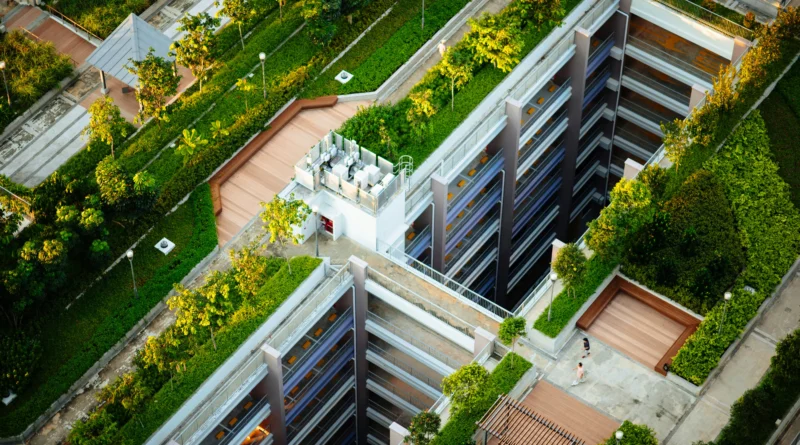
People use recycled steel, concrete with less carbon, and cross-laminated timber to change how city buildings go up. These choices cut down on carbon trapped in the materials. At the same time, they keep the buildings strong. Saving energy matters just as much. Builders use simple ideas like letting air flow naturally, making the most of sunlight, and adding green roofs. This helps lower power use in busy city zones. The U.S. Green Building Council (2023) says LEED-certified buildings use about 25% less energy than regular ones. Think about a tall office in a hot city. Without these steps, air conditioning would run nonstop, wasting power and money.
Integration of Renewable Energy Systems
Solar panels are not just extras anymore. They fit right into the main plan. Builders now design walls that catch sun power or add small wind turbines to tall buildings. Take Bahrain’s World Trade Center as an example. It has three big wind turbines placed between its towers. They make clean power. This shows how looks and work can blend together well. In windy spots like that, such setups provide steady energy without relying on old fuels.
Water Conservation and Smart Landscaping
City building now often includes plans that pay attention to water. Systems collect rain, pavements let water soak in, and dry gardens use less water. These steps cut waste and help cities handle floods better. Look at Singapore’s Marina Barrage project. It mixes handling storm water with fun spots for people. This way, the setup helps nature and brings folks together. It’s a smart mix that makes the area tougher against heavy rains, which hit more often these days.
What Role Does Technology Play in Shaping Modern Urban Architecture?
Tools from the digital world have turned upside down how cities get planned and put together. From making 3D models to putting sensors inside buildings, tech lets builders test how things will work before they start. Then, they can watch it all after it’s done. Sometimes, these tools even spot small problems early, saving time and headaches later.
Building Information Modeling (BIM) and Digital Twins
BIM lets builders make exact copies of structures on computers. These copies hold info on the frame, supplies, and how the building will last over time. Digital twins take it a step further. They connect live data from sensors in real buildings back to the computer versions. This helps tweak things as they go. Autodesk (2022) reports that more than 70% of big building companies use BIM. They apply it for planning designs and keeping up with upkeep. In a project like a new hospital, this means fewer surprises during the build.
Smart Building Systems
Today’s city buildings often have setups based on IoT. These adjust lights, heat, or air flow on their own, depending on how many people are around. Such smart spots make folks feel better inside. Plus, they cut down on extra use. This is key in packed cities where power needs go up and down all day. Imagine a busy mall. Lights dim when no one’s in a hall, saving bills without anyone noticing.
Advanced Construction Techniques
3D printing and building in pieces off-site have made the work faster. They also use less stuff and pay workers less overall. Whole rooms for apartments get made away from the site. Then, they snap together quickly where the building goes up. Japan uses this a lot for homes in crowded areas. It speeds things up in places where space is tight and time is short.
How Are Social Needs Influencing Urban Architectural Design?
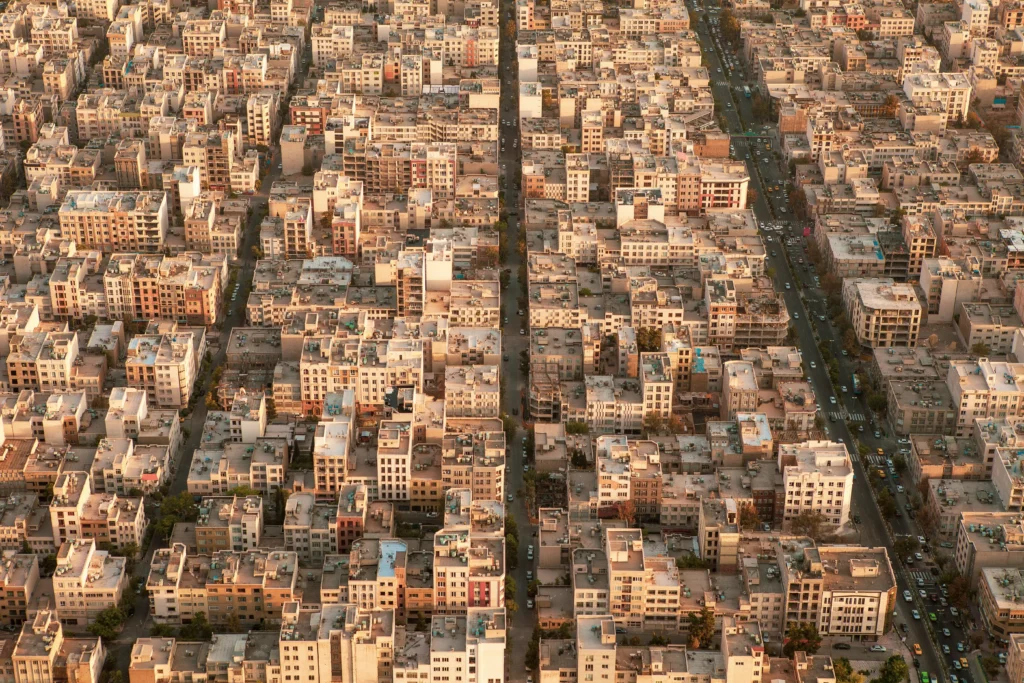
Building designs do not stand alone. They mirror how people share space and live side by side. As cities get more varied and linked up, builders have to make areas that bring folks closer. At the same time, they tackle tough spots like cheap homes and easy access for everyone. It’s not always simple, but getting it right builds stronger communities.
Mixed-Use Developments
Putting homes, shops, and play areas all in one spot boosts walking around. It also shortens trips to work or fun. Hudson Yards in New York is a clear case. It blends offices, living spaces, parks, art spots, and stores in one big plan. People can live, work, and relax without long drives. This setup cuts traffic and makes daily life smoother for many.
Affordable Housing Innovations
Land prices that are too high force thinkers to find fresh fixes. Tiny apartments or turning old factory spots into homes are common now. Making parts ahead of time drops the price tag. It keeps the work solid too. This matters a lot for fair living in the heart of cities. In places like old warehouse districts, these changes breathe new life into forgotten areas.
Inclusive Public Spaces
Making public spots open to everyone means thinking about all ages and needs. Paths with bumps for those who can’t see well or slopes that blend into open areas help. Cities feel friendlier this way. The look stays nice too. A park bench that’s easy to reach for wheelchair users shows care without messing up the flow.
Why Is Adaptive Reuse Becoming a Key Trend in Urban Architecture?
With care for the planet growing stronger, turning old buildings to new uses has become popular. It’s good for the environment and keeps culture alive. Sometimes, these projects uncover hidden stories from the past, adding charm to modern spots.
Preservation of Cultural Heritage
Changing old factories or storage spots into offices or art places keeps a city’s past feel. It gives them a fresh start without wiping out who they were. London’s Tate Modern is a great sample. It turned a power plant into a top art museum. The old industrial look stays, drawing crowds who love the mix of then and now.
Environmental Benefits
Adaptive reuse slashes harmful gases way more than tearing down and starting over. Most of the carbon already in the materials stays put. The Carbon Leadership Forum (2021) found that this can save up to 50% of carbon over the whole life of a building. It’s like recycling on a huge scale, but for whole structures.
Economic Revitalization
Aside from green perks, changing old spots boosts money flow in areas. It pulls in visitors or new businesses to run-down parts. This turns tough times into chances for growth. A quiet street might become a buzzing spot for shops and cafes overnight.
How Are Emerging Aesthetic Trends Redefining City Skylines?
Workable features still come first. But how things look keeps shifting too. New shapes draw from nature, local ways, and simple styles. These touches make cities feel alive and tied to their roots.
Biophilic Design Elements
Adding bits of nature—like walls with plants or open halls full of green—links people to the outdoors. This works even in thick city settings. A study in Frontiers in Psychology (2020) showed that being around these nature bits lowers stress by up to 15%. In a high-stress office tower, a green wall can make breaks feel like a quick walk in the woods.
Minimalist Geometry
Straight lines and clear fronts lead the way in looks now. Spots like Apple Park or Tokyo’s Omotesando Hills show it. Simple shapes with fine work make things last, not just follow quick fads. Clean designs stand out in busy skylines, offering a calm spot amid the rush.
Local Identity Through Material Expression
Builders pick stuff from nearby to show the area’s story. Terracotta tiles fit warm coastal places. Bamboo mixes work well in parts of Southeast Asia. This grounds new styles in what’s around, not just worldwide sameness. It helps cities keep their unique flavor while moving forward.
What Challenges Do Architects Face When Implementing These Trends?
New ideas seldom come easy. City builders run into rules that hold them back, tight budgets, and groups who want different things. They push for better designs anyway. Balancing all this takes real skill and patience.
Regulatory Barriers
Laws about land use often fall behind tech or green needs. Height limits might block good sun paths or stop mixing uses, even if it helps the planet. Updating these rules could open doors, but change moves slow in government halls.
Cost Constraints
Green tech saves money over years, but starting costs hit hard. Things like smart walls or sun power setups need big cash upfront. Small builders struggle most without easy funds. Yet, grants and loans are starting to help bridge that gap in more places.
Balancing Aesthetics with Functionality
Builders always weigh pretty against useful. A bold front might make cleaning tough. Wide-open rooms can let noise travel too much. Finding the right mix calls for testing ideas over and over, not just set plans. In the end, a building that looks good and works well wins hearts and lasts longer.
FAQ
Q1: What defines modern urban architecture today?
A: It blends rules for the environment with fresh digital tools. This creates spots that work well and put people first. These fit tight crowds in cities.
Q2: Why is adaptive reuse important?
A: It saves supplies by giving old buildings new jobs. Instead of knocking them down, it keeps culture safe in busy growing towns.
Q3: How does technology improve building performance?
A: Tools like BIM setups and IoT sensors watch energy and comfort non-stop. They do this from planning through to after it’s built.
Q4: What materials are shaping future skylines?
A: Cross-laminated timber, reused metals, and smart glass fronts all bring power with less harm to nature. They beat old heavy concrete ways.
Q5: How do social factors influence architectural form?
A: They push for spots everyone can use, like open areas for all. Mixed setups boost chats and ties among people who live there every day.