
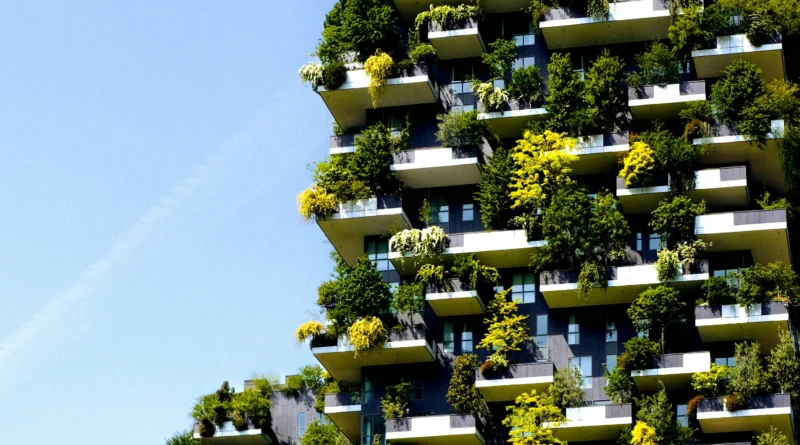
Sustainable Building Structures: Creating Eco-Friendly Designs
Sustainable building structures now play a key role in today’s architecture and engineering. Cities keep growing, and the need for resources rises. Experts in this area think hard about ways to build that cut down on harm to the environment. They aim to keep buildings working well and comfortable. You may know that sustainable design goes beyond just picking green materials. It creates setups that save energy, cut down waste, and help keep nature in balance over time. This piece looks at main questions about sustainable building structures. It shares ideas on how these friendly designs change the world we build in.
What Defines a Sustainable Building Structure?
A sustainable building structure is not just an energy-saving outer layer. It is a full setup that fits well with its area around it. The idea covers picking materials, tools, and building ways that lower carbon output over the whole life of the building.
Use of Renewable Materials
Picking renewable materials like bamboo, reclaimed wood, or recycled steel helps drop the built-in energy needed for building. These items grow back fast or make old resources last longer. That makes them great for projects that care about the earth. Take bamboo, for instance. It can grow as much as 35 inches each day in good settings. This gives a tough but renewable choice instead of regular wood. I recall a project in Asia where they used bamboo frames for a school. It held up strong against storms, and the kids loved how it felt natural inside.
Energy-Efficient Design Principles
Energy-efficient design pays attention to simple tricks like fresh air flow from outside, light from the sun, and good insulation. If you place buildings to catch the most sun, it can lower heating bills by as much as 25%. That comes from info by the U.S. Department of Energy in 2023. Adding solar panels or systems that use heat from the ground cuts the need for fuels from old sources even more. In one office building I heard about, they used big windows for daylight. Workers said it made the space feel brighter and less stuffy on hot days.
Life-Cycle Assessment Approach
The life-cycle assessment, or LCA, checks the harm to the environment from getting materials to tearing down or reusing the building. It lets you measure energy use and pollution at every step. Many green badges, like LEED and BREEAM, ask for LCA papers as part of their checks for green ways. This approach reminds me of how car makers test engines over years. It helps spot problems early, so the whole thing runs smoother in the end.
How Do Building Structures Contribute to Environmental Sustainability?
If you plan building structures with care, they can help nature goals instead of getting in the way. Engineers who build structures now look at strength and lasting power. But they also think about how their plans affect plants, animals, and resource loops. Sometimes, a small change like better drainage can stop floods in nearby areas. That’s a real win for everyone.
Reduction of Carbon Footprint
Making concrete takes up about 8% of the world’s CO₂ output, per IEA in 2022. Swap out Portland cement for things like fly ash or slag, and you can drop those gases by up to 40%. Engineered timber, on the other hand, holds onto carbon rather than letting it out when made. Picture a wooden bridge in Canada. It stored tons of carbon while standing firm for decades. Such examples show how smart picks pay off.
Water Conservation Systems
Saving water matters a lot in green building plans. Systems that recycle greywater take used water from sinks or showers. They send it for watering plants or flushing toilets. In big office spots, these setups save thousands of gallons each year. Plus, they ease the load on city water lines. I’ve seen this in a hotel in California. Guests barely noticed, but the water bill dropped big time during dry spells.
Integration with Urban Ecosystems
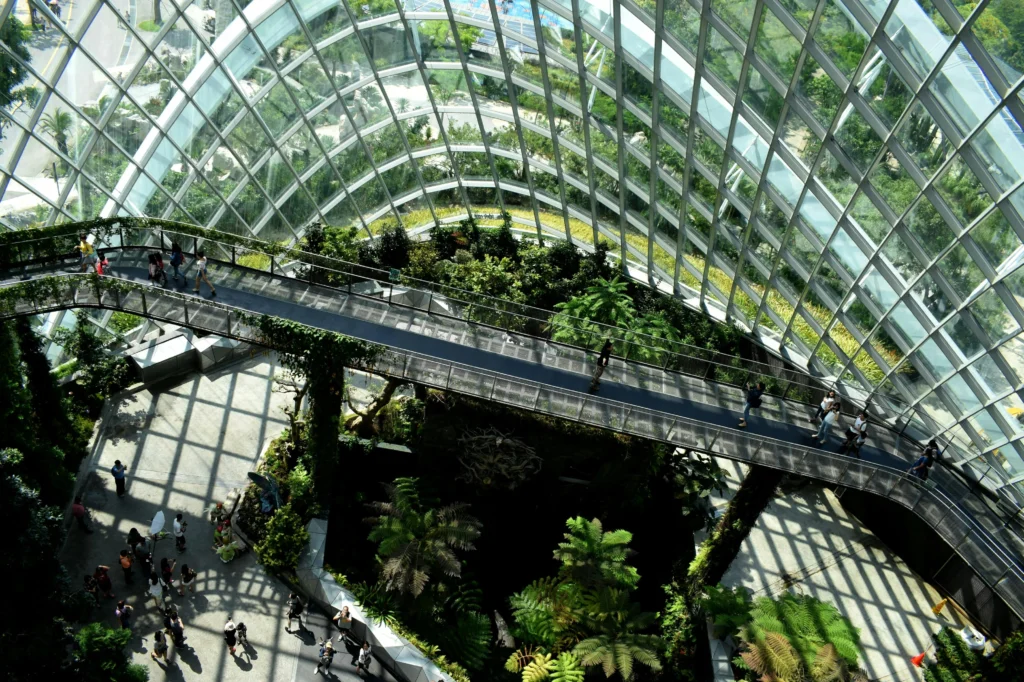
Green roofs and living walls boost life for bugs and birds in city spots. They do more than look nice. They clean the air and control heat. That cuts down the hot spots you see in packed urban zones. In places like New York, these walls have helped cool streets by a few degrees. It’s a simple fix with big results.
Why Is Material Selection Crucial in Sustainable Construction?
Choosing materials sets the harm to the earth and how long a building lasts. Builders have to weigh what’s on hand, how well it works, the price, and its green side when deciding. It’s like picking ingredients for a meal—you want them fresh and fitting. One wrong choice, and the whole dish suffers.
Low-Impact Structural Materials
Items like cross-laminated timber, or CLT, change how we build mid-height spots. They weigh less and keep carbon locked in. CLT pieces get made away from the site. This cuts trash and speeds up putting them in place. Strength stays the same. In Europe, a housing block used CLT and finished weeks ahead of schedule. The workers appreciated the lighter load too.
Recycled Content Utilization
Using recycled stuff lowers the pull for new raw items. Recycled steel or bits of old concrete in mixes cut down on dump waste a lot. The World Steel Association said in 2023 that more than 90% of steel for structures can get recycled. It keeps quality the same. Think of it as giving old metal a second job—practical and kind to the planet.
Local Sourcing Benefits
Getting materials from close by drops gases from shipping. It also helps money stay in the area. Local items fit the weather better. Stone from nearby spots often handles heat or cold way better than stuff shipped from far away. A farm building in Texas used local stone. It stayed cool inside without extra fans, saving on power.
How Can Technology Enhance Sustainable Building Structures?
Tech now helps a ton in reaching green aims for building jobs. From computer models to smart watchers, new ideas push for better work at each part. It’s exciting to see how gadgets make old tasks easier and greener.
Building Information Modeling (BIM) Integration
BIM lets you plan with exact details. It acts out how things will work in real life before starting to build. This spots clashes between parts early. So, less stuff gets wasted on site. Teams use it to talk better, which smooths out the whole process. In a recent hospital project, BIM caught a pipe issue before digging even began. That saved time and cash.
Smart Energy Management Systems
Sensors built into new buildings watch heat, how many people are there, and light use right away. This info helps make auto changes. It can cut daily energy use by up to 30%. Imagine lights turning off in empty rooms or heat adjusting based on the crowd. A school in Japan did this, and teachers noticed the kids seemed more alert without the stuffy air.
Prefabrication and Modular Construction
Making parts ahead in factories cuts mess at the build spot. It boosts check on quality too. Modules done in safe spots make up to 50% less trash than old ways. Projects wrap up much faster. For a quick story, a factory dorm used modules and housed workers in half the time. Everyone was happy with the clean, quick build.
What Role Do Regulations Play in Promoting Sustainable Design?
Rules set up ways to hold builders to green habits. Following them keeps things safe. It also lines up work with big world climate aims. Without these guides, some might skip the extra effort. But rules make it standard.
Green Building Certification Programs
LEED, or Leadership in Energy and Environmental Design, is one of the top badges around the world. It scores buildings on things like energy use per space, air inside, and water saving. Getting that gold star means a lot for selling or renting out the place.
Government Incentives for Eco-Friendly Projects
Lots of governments give tax breaks or money help for green-certified spots. Take the U.K.’s Enhanced Capital Allowance plan. It backs spending on gear that saves energy in different fields. These perks make the switch to green less of a hit on the wallet upfront.
Mandatory Energy Codes
Codes like ASHRAE Standard 90.1 set base rules for insulation and air systems that cool or heat. They update often to match new tech in green ways. Builders follow them to avoid fines, but it also pushes better designs overall.
How Does Sustainable Design Affect Human Health?
Green design does more than help the earth. It touches how people feel inside through nicer air and safer stuff. Healthy spaces mean happy users, and that’s the goal.
Improved Indoor Air Quality
Paints, glues, and covers with low VOC stop bad smells and gases that hurt breathing or make you tired. Air systems with HEPA filters keep things clean inside. In homes with these, families report fewer colds. It’s a quiet hero in daily life.
Thermal Comfort Optimization
Good insulation plus shades that adjust keep inside temps steady all year. You don’t need heavy machines to heat or cool much. A study from Harvard T.H. Chan School of Public Health in 2021 showed this boosts work output in offices. Workers stay comfy, so they focus better.
Access to Natural Light
Plans for light from outside help moods by matching body clocks to day and night. Spots with big windows or roof lights see less sick days. Employees feel better mentally. One factory added skylights, and output went up without extra training.
What Are Future Trends Shaping Sustainable Building Structures?
Ahead lies tighter links between tech and nature in building fields. Changes will come fast, blending old wisdom with new tools. It’s a field full of promise, though challenges like cost remain.
Circular Economy Practices
Plans that let you take apart parts mean beams or walls can get used again after tear-down. Not thrown away. This idea picked up in Europe after 2020 rule changes that push for reuse loops. It turns waste into resources, closing the circle nicely.
Bio-Based Construction Innovations
Scientists work on mixes from mycelium that grow into shapes from plant scraps. These make break-down-friendly fillers for walls or sound blocks. No fake glues needed. Early tests show they insulate well, and in humid spots, they even fight mold better than foam.
Net-Zero Energy Buildings Movement
Net-zero means buildings make as much power as they use each year. They mix sun power with super-tight walls. More private builders and public spots adopt this mark. In Australia, a net-zero home ran off-grid for months. Owners saved on bills and felt good about the earth side.
FAQ
Q1: What makes a building structure sustainable?
A: A sustainable structure cuts down on resources over its full life. It keeps working well with items that renew, setups that save, and ways to lower gases.
Q2: How do green roofs benefit urban environments?
A: Green roofs handle hot and cold by soaking up sun heat in summer. They hold warmth in winter too. They clean dirty rain water before it goes to drains.
Q3: Are eco-friendly materials more expensive?
A: Up front, yes. But savings from less fixes often cover the extra cost in five years. That depends on size, from reports between 2019 and 2023.
Q4: Can old buildings be retrofitted sustainably?
A: Yes. Add better insulation and top air units to old spots. It boosts how they run without starting over from scratch.
Q5: What role does digital modeling play in sustainability?
A: Tools like BIM help teams work together. They guess outcomes ahead, cut trash and mistakes, and make daily running better in the long run.