
The Art of Architectural Design: Key Principles and Trends
Architectural design goes beyond just building structures. It shapes how people feel and interact in spaces through choices about layout, strength, and looks. You probably know that good projects start with a close look at shape, purpose, and setting. In our fast-moving world today, this kind of design shows tech advances and changes in society. This piece looks at the main ideas, new directions, and real-life effects that make up today’s architectural design.
What Defines the Core Principles of Architectural Design?
Architectural design builds on lasting ideas. These ideas help shape spaces from start to finish. They mix fresh thinking with real-world needs. So, each project fits its surroundings and meets what people require.
Functionality and Human Experience
Any architectural design needs to have a clear job. It goes past just looking nice. Purpose decides if a building really helps its users. Take hospitals, for example. They focus on easy movement and sunlight to aid recovery. Schools, on the other hand, stress sound control and adaptable areas for various lessons. When you view architecture like this, you see that shape follows purpose. It’s not a limit. Rather, it opens doors to new ideas. In my view, this keeps designs grounded yet exciting.
Proportion and Balance
Proportion acts like a hidden beat in solid buildings. It controls how parts link to the full picture. This creates peace in old and new styles alike. Builders often turn to math ratios or simple grids for even looks. Think of Le Corbusier’s Modulor system. It tried to match human size with space math. This idea still matters in computer-based planning now. For instance, in a small home project, getting the door height right can make a room feel welcoming instead of cramped.
Materiality and Texture
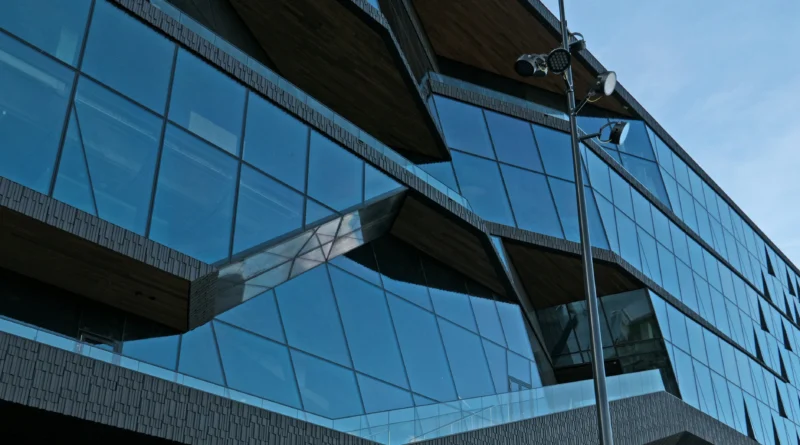
Choosing materials affects how things feel and work. Concrete gives a strong sense. Glass shows openness. Wood brings a cozy touch. Each one reacts in its own way to light, noise, and heat. Eco-friendly options like cross-laminated timber (CLT) or reused steel show a stronger push for caring about the planet in architectural design. I’ve seen how a wooden beam in a park shelter changes the whole vibe on a rainy day.
How Does Context Influence Architectural Design?
Context adds real sense to architecture. It places a building in its spot—both physical and social. Skipping this can lead to designs that seem out of place or cut off from around them. Good architects always weave in these details to make structures blend well.
Environmental Integration
Designs that respond to weather now sit at the heart of green architecture. Builders study sun paths, breezes, and nearby plants first. Then they form the building’s shape or outer walls. Simple tricks like shades or plant-covered roofs cut energy use. They also boost how comfy the space feels. Picture a house in a hot desert area. Wide overhangs keep the inside cool without fans running all day.
Cultural Sensitivity
Architecture shares tales of folks and their spots. Plans tied to local ways honor old habits while welcoming fresh tech. Take modern builders in Africa. They rework traditional shapes with new stuff. This keeps a sense of place alive, free from looking back too much. It’s like updating a family recipe with ingredients from the corner store—familiar yet improved.
Urban Connectivity
In busy cities, architecture should connect to shared areas. It must not pull away from them. Blended projects mix homes, shops, and fun spots into one smooth setup. This setup sparks chats and activities. It avoids splitting people apart. In places like New York, a ground-floor cafe in an apartment tower draws neighbors together daily.
What Are the Emerging Trends Shaping Modern Architectural Design?
The world of building work shifts all the time. New tools and focuses keep popping up. These changes guide how builders think about areas amid big world issues. From what I’ve noticed in projects, these trends make designs more lively and fitting.
Sustainable Architecture
Badges like LEED or BREEAM turn green goals into clear targets. Now, creators check full life spans for stuff, add clean power sources, and cut trash from start to end. For example, a office block might use bamboo floors that last 50 years and grow back fast. This isn’t just talk; it’s about real cuts in waste, like saving 30% on energy bills yearly.
Digital Fabrication and Parametric Design
Smart programs let builders make tricky shapes based on real data. Things like weather stats or load tests feed in. Parametric design turns those basics into real shapes that shift with their spot. It’s like drawing with numbers—precise but creative. In one case, a bridge curved to handle wind better, all planned on a screen before a single cut.
Adaptive Reuse
Rather than tearing down old spots, adaptive reuse changes them for fresh uses. Old factories turn into cozy homes. Big storage spots become art spots. This saves stuff and keeps history in city life. I’ve walked through a turned warehouse in London that now hosts markets—echoes of the past mix with today’s buzz.
Why Is Sustainability Central to Architectural Design Today?
Sustainability isn’t a side choice anymore. It marks smart ways in architecture right now. Structures cause about 40% of world carbon output. This counts building parts and daily power use. So, focusing here cuts big harm. Plus, it saves money long-term, which every client appreciates.
Energy Efficiency Strategies
Builders use basic methods first, like air flow from windows or max sun inside. They do this before machines kick in. Tough glass cuts heat without blocking views. In a school in Texas, bigger windows dropped AC use by 25%. Simple changes like that add up fast.
Renewable Energy Integration
Sun sheets on walls or tops give clean power right there. Some builds even hit net-zero. They make more juice than they use in a year. Imagine a mall roof full of panels—shoppers inside stay cool, and extra power sells back to the grid.
Circular Construction Practices
Circular ways stress building for take-apart ease. So parts get reused later, not thrown out. Block-style building helps this move to healing cycles. It’s like Lego blocks for grown-ups—snap together now, pull apart for next time. This mindset is spreading in Europe, where laws push for it.
How Do Technology and Innovation Transform Architectural Practice?
Tech changes how we plan, build, and care for buildings over years. It touches every step. From sketches to upkeep, tools make things smoother and smarter.
Building Information Modeling (BIM)
BIM allows instant teamwork. Architects, fixers, builders, and owners share 3D views packed with details. This covers beams to fix-up plans. No more paper mix-ups. In a big hospital job, BIM caught a pipe clash early, saving weeks and thousands.
Virtual Reality (VR) Visualization
VR lets folks stroll digital mocks before real work starts. This deep dive helps talk between makers and users. It turns flat plans into real walks. Clients spot issues fast, like a tight hallway, and fix them on the spot.
Smart Building Systems
Sensors in clever builds track who’s there or tweak lights by sun levels. This ups comfort and trims running costs a lot over time. A office in Singapore uses them to dim lights when empty—bills dropped 15%, and no one complains about glare.
What Role Does Aesthetics Play in Architectural Design?
Function keeps architecture real. But looks lift it to something artistic. It’s a chat between feelings and build. Good design stirs the heart while working well. Sometimes, a pretty view from a window makes the whole day better.
Form as Expression
Shape shares what the builder means. Clean lines bring calm. Sweeping bends suggest flow. Big blocks show power. Choices like these shape how folks bond with the area emotionally. Years later, that connection sticks. In parks, a wavy bench invites sits more than a straight one.
Light as Medium
Sunlight carves walls as the day goes. It shows grains different at dawn or evening. Builders place holes on purpose. Light turns into part of the area’s tale, not just a need. A church with colored glass at sunset? Magic without trying.
Color Psychology in Space
Colors hit moods hard. Cool shades bring peace. Warm ones build closeness. Plain sets highlight real stuff over extras. It’s a quiet power in putting things together. In a kid’s room, soft blue walls help bedtime calm down quicker.
FAQ
Q1: What Is the Primary Goal of Architectural Design?
A: The main goal is to create spaces that balance aesthetic value with practical performance while responding sensitively to human needs and environmental context. And honestly, getting that mix right makes everyday life smoother for everyone involved.
Q2: How Does Sustainability Influence Modern Architecture?
A: It guides decisions across all stages—from selecting eco-friendly materials to integrating renewable energy systems—reducing long-term ecological impact significantly. Projects that skip this often regret the extra costs down the line.
Q3: Why Is Context Important in Architecture?
A: Because context ensures relevance; buildings should harmonize with their surroundings physically, culturally, and socially instead of existing as isolated objects. Ignore it, and the structure might feel like an outsider in its own neighborhood.
Q4: What Technologies Are Changing Architectural Practice?
A: Tools like BIM for coordination efficiency, VR for immersive visualization, and smart sensors for responsive environments are revolutionizing workflows globally. They’re not gadgets; they’re game-changers that speed up jobs without cutting corners.
Q5: How Do Materials Affect Design Outcomes?
A: Materials determine not just structural integrity but also sensory experience—texture under touch, reflection under light—all shaping user perception profoundly across time. Pick the wrong one, and the whole feel flops, no matter the plan.