
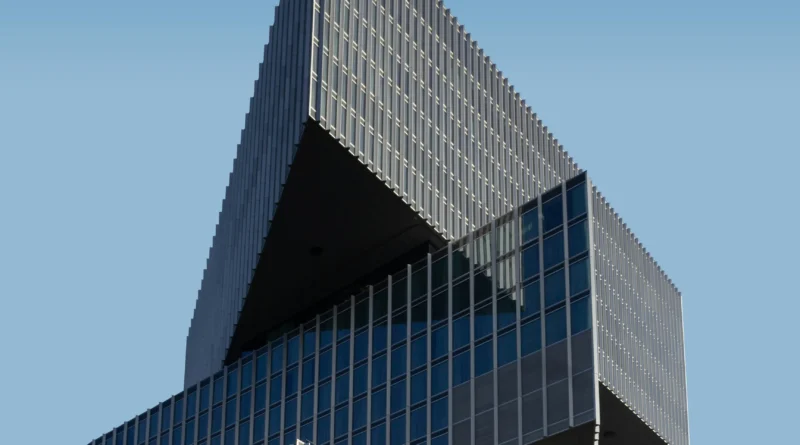
Top Architecture Styles You Should Know in 2026
Architecture keeps changing. Every ten years, new materials, tech, and social ideas shift how we build and use spaces. As 2026 gets closer, builders and designers look past looks alone. They mix in green practices, digital tools, and people-focused ideas into all kinds of buildings. This piece looks at main styles that shape our surroundings. It explains why they count for your work. Think about how these trends pop up in everyday projects, like homes or offices that feel more alive.
What Defines Modern Architecture Today?
Modern architecture grows with tech progress and simple thinking. It’s not only about straight lines now. It’s about making useful areas that fit shifting ways of life and nature needs.
Minimalism and Functionality
Minimalism stays a key part of today’s design. The main point is plainness, wide-open plans, and cutting out extra decorations. Builders stress balance, brightness, and true materials—glass, steel, and concrete lead the way. In real jobs, this leads to spots that work well and bring a sense of peace. For instance, a small apartment might use just a few walls to let light flow freely, making it feel bigger without clutter.
Integration of Smart Technology
Smart homes now reach into full buildings. Auto systems handle lights, heat, and safety without effort via IoT links. Places like The Edge in Amsterdam show how info-based building boosts power savings. It also raises comfort for those inside. I’ve seen similar setups in offices where lights dim automatically as people leave rooms, saving energy without anyone noticing.
Sustainable Materials
The current style also takes up green choices through fresh materials like bamboo mixes or reused steel. Full-life checks help pick items to cut down on carbon marks. At the same time, they keep strong builds. Sometimes, these choices add a bit more cost upfront, but they pay off in the long run with lower bills.
How Is Sustainable Architecture Shaping the Future?
Green building moved from a fad to a must-have. Climate shifts grow stronger, so builders rethink how structures tie into nature. Green badges like LEED or BREEAM are basic now, not special wins. In cities facing heat waves, these designs help keep things cool naturally.
Passive Design Strategies
Passive solar plans use direction, shade tools, and fresh air flow to cut power use. Take buildings in hot areas. They often add wide roofs or plant-covered sides to block heat. This skips heavy cooling machines. One example is a school in India with deep eaves that keep classrooms shady all day, letting kids learn without fans blasting.
Renewable Energy Integration
Solar boards and wind fans now fit right into building skins, not tacked on after. Zero-energy spots—ones that make as much power as they use—work even for tall city towers. This comes from better sun-capturing glass tech. Picture a high-rise where windows generate electricity, powering the elevators below.
Water Conservation Systems
Rain collection setups and used-water reuse are common in green work now. These save supplies and lower running costs as time goes on. In dry spots like California, such systems catch every drop from roofs, turning it into garden water instead of letting it run to waste.
Why Is Parametric Architecture Gaining Popularity?
Parametric design changed how builders create by letting them shape tricky forms that old drawing ways couldn’t handle. With math-based tools like Grasshopper or Rhino, they tweak shapes using real data, not just gut feelings. This style feels exciting because it turns numbers into art you can walk through.
Algorithm-Based Design Process
Parametricism uses set rules and inputs over set forms. So, shapes adjust to things like sun paths or air currents—great for smart sides or big arena tops. Designers start with a computer model. Then, they test how wind hits it. If needed, they adjust right away.
Structural Efficiency
These tools cut material needs by checking weights on screens before building starts. You get thinner builds that hold up strong. Plus, they waste less—a big win for green ways. In one bridge project, this saved 20% on steel, making it cheaper and kinder to the planet.
Aesthetic Innovation
Besides work, parametric building brings fresh looks no old style matches. Look at Zaha Hadid’s Heydar Aliyev Center in Baku. It’s a smooth shape mixing creativity with exact engineering. Visitors often say it feels like flowing water frozen in place.
How Does Vernacular Architecture Influence Modern Design?
Even with new tech, lots of builders go back to homegrown ways for ideas. Local styles teach about fitting weather and group ties that still fit now. It’s like borrowing wisdom from the past to fix today’s problems, adding a touch of history to new spots.
Regional Materials
Picking stuff from nearby cuts travel fumes and keeps true to the area. Mud bricks in dry lands or wood frames in cold north spots show how home finds build tough answers. A house in Mexico might use local stone, which stays cool in the heat without AC.
Climate Responsiveness
Old plans often beat new ones at easy comfort tricks. Open yards in hot Middle East homes let air move. Slanted tops in rainy zones handle downpours well. Now, we remake these with fresh methods. For example, a modern home in Japan might tilt its roof like old ones but add solar tiles on top.
Cultural Continuity
Mixing in local patterns builds real bonds in groups. Builders now join old skills with new tools to make places that feel steady but forward. This keeps stories alive, like carving doors with village symbols that everyone recognizes.
What Role Does Brutalism Play in Contemporary Projects?
Once knocked for being rough, Brutalism sees a fresh start with young builders. They like its true shapes and material shows. It’s raw, but in the right hands, it warms up nicely.
Raw Concrete Aesthetics
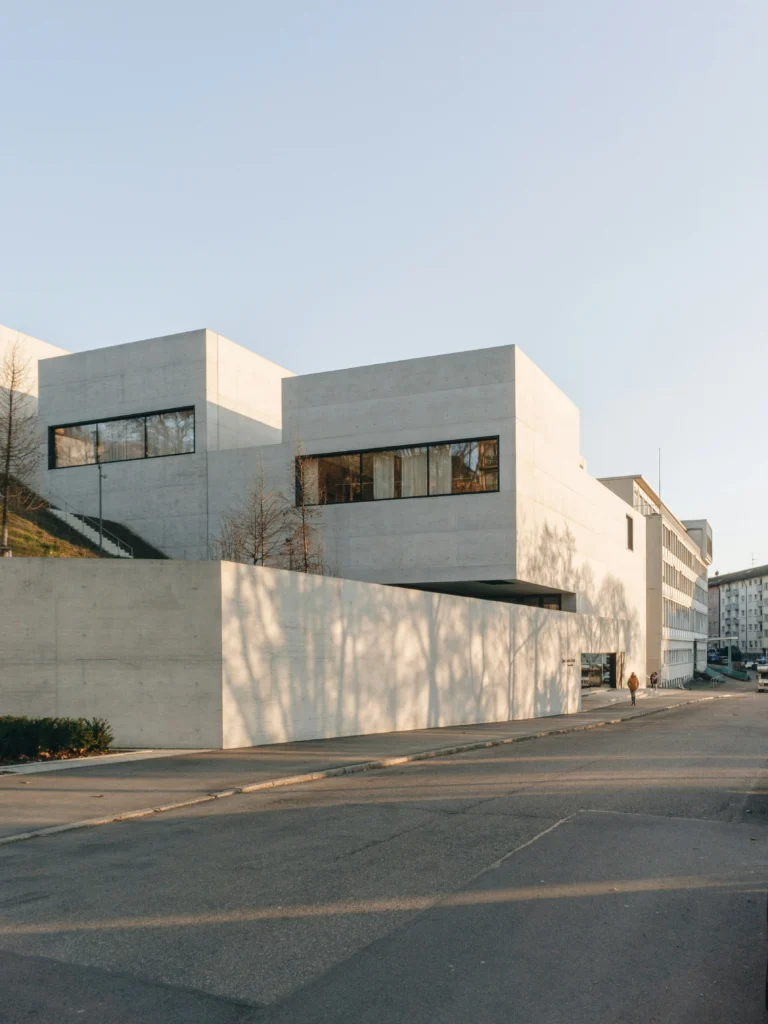
Open concrete faces show realness without fake covers. Pair it with soft lights or wood touches, and Brutalist rooms get a smart feel for art spots or shared work areas. Imagine a cafe with rough walls but cozy lamps— it draws people in for the contrast.
Functional Clarity
Each part has a job. Beams stay out in view, not tucked behind boards. This clear way draws those who want real over shiny surfaces. In offices, visible ducts remind workers of the building’s bones, making the space feel honest.
Adaptive Reuse Potential
Lots of old Brutalist spots get new uses instead of torn down. Their solid make fits green aims by saving built-in power in the concrete from years back. One factory turned library kept its heavy walls, adding bookshelves inside without much new build.
How Is Biophilic Design Transforming Urban Spaces?
Biophilic design links people to nature via building—a fix for city stress and fading wild life in towns. It brings green into gray, making daily life a bit brighter. Not every project nails it perfectly, but when they do, the difference shows in how people smile more.
Natural Light Optimization
Big windows, roof lights, and open centers let in as much day glow as possible. This cuts need for fake lights. Research says natural light lifts work output by up to 15% (source: World Green Building Council). In a busy New York office, floor-to-ceiling glass changed moods from the first sunny day.
Indoor Greenery Integration
Plant walls or inside gardens clean the air and lift mind health. Work places add these to raise worker joy, checked by after-move reviews. A hotel chain saw guest stays lengthen by a day after adding vines in lobbies—people just relax better.
Organic Form Language
Curvy lines from nature soften hard city views. Builders copy life tricks, like sides that look like leaves or sea growth. This boosts looks and green work. One park pavilion with wavy benches feels like sitting in a forest, even downtown.
Why Are Postmodern Elements Returning?
Postmodern’s mix-and-match vibe sneaks back after years of plain styles ruling. Folks want fun again, but without losing sense or use. It’s like adding spice to a plain meal—suddenly everything tastes better.
Bold Color Usage
Strong shades stand out against dull town backdrops. They add life to public homes or shop buildings where feelings count. A playground with red and blue walls makes kids laugh louder than gray ones ever could.
Historical References Reimagined
Pillars, curves, or fancy edges show up again. But they’re often twisted with computer cutting that remakes old ways, not copies them straight. This keeps the nod to the past while stepping ahead.
Contextual Storytelling
Every build shares a tale linked to its spot or goal. A museum side might hint at town tales. Or a town hall mirrors old shapes with new stuff like cut aluminum sheets from machines. These touches make places memorable, like a storybook come to life.
FAQ
Q1: What Is the Most Influential Architecture Style Predicted for 2026?
A: Sustainable architecture will dominate due to global carbon reduction targets influencing every sector from housing to infrastructure development policies worldwide (source: UN Environment Programme 2023). It’s pushing even small builders to think green first.
Q2: How Does Parametric Design Differ from Traditional Drafting?
A: It uses algorithms instead of manual drawing processes allowing real-time adjustments based on performance criteria such as airflow simulation or daylight optimization metrics verified during preconstruction modeling phases. Old ways took weeks; this does it in hours.
Q3: Can Brutalism Be Considered Sustainable Today?
A: Yes—its emphasis on durability supports adaptive reuse strategies minimizing demolition waste while conserving embodied energy embedded within concrete frameworks built decades ago (source: Architectural Review 2022). Plus, concrete lasts forever if cared for.
Q4: Why Are Biophilic Principles Important for Urban Health?
A: They counteract psychological fatigue caused by dense urbanization; exposure to greenery reduces stress hormones measurable via cortisol studies conducted across major metropolitan office environments (source: Journal of Environmental Psychology 2021). Workers report fewer headaches too.
Q5: Which Emerging Material Technologies Will Impact Future Styles Most?
A: Innovations like self-healing concrete, transparent wood composites, and 3D-printed bio-based polymers will redefine how architects balance strength aesthetics sustainability simultaneously across diverse climate zones by 2026 projections (source: MIT Materials Lab Report 2024). These could cut repair costs by half in wet areas.