
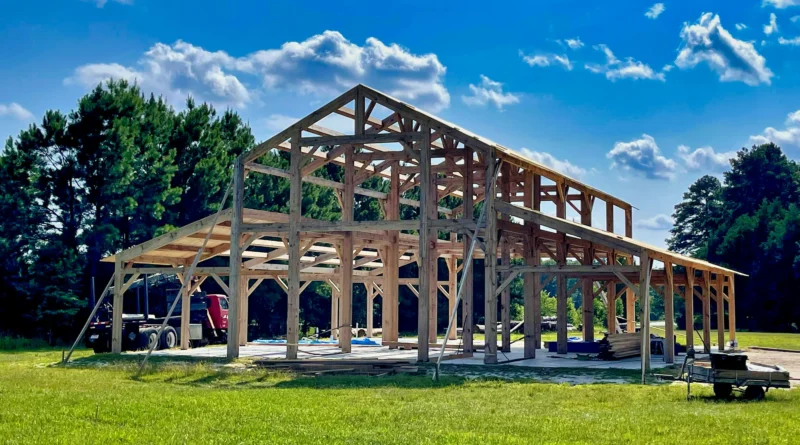
Understanding the Basics of Building Structure and Its Importance
A building structure goes beyond just a physical frame. It acts as the backbone that provides stability, safety, and usefulness. In construction and architectural engineering, your understanding of structural ideas shapes how well a building handles weights, weather, and daily wear. This holds true whether you plan tall skyscrapers or simple homes. Every choice on materials, load paths, and shapes impacts how long it lasts and how much it costs. This piece looks at main questions about building structures. Professionals often think about these when starting or checking projects. For instance, I’ve seen teams debate material picks for a rainy area, and it saved time later.
What Defines a Building Structure?
A building structure means the setup that holds up and passes loads safely down to the ground. It covers foundations, columns, beams, slabs, walls, and roofs. The plan keeps a balance between outside forces like wind or shakes from earthquakes and the inner strength of the materials. Picture it as a hidden web that spreads out pressure. This way, no one part takes on too much strain. In real jobs, this web idea helps avoid weak spots that could cause big problems down the line.
Primary Structural Components
The key pieces in any structural setup are foundations, columns, beams, slabs, and roofs. Foundations move loads to the soil below. Columns handle upward forces. Beams spread out side-to-side loads. Slabs make up the floors. Roofs shield the inside from rain and sun. All these parts need to fit together well for the whole thing to stay steady. Think of a basic house: if the beams don’t line up right with columns, the floor might sag over time, like in older homes I’ve checked.
Load-Bearing Systems
Load-bearing setups fall into types like frame structures, such as steel or reinforced concrete frames. There are also shell structures, like domes. Truss systems show up often in bridges. You pick based on how wide the span is, what material you use, and the building’s look. For a short bridge, a truss might cut costs by 20 percent compared to a full frame, based on some project reports.
Material Considerations
Choosing materials—steel, concrete, wood, or mixes—changes the strength compared to weight and how green it is. Steel gives bend for tall buildings. Concrete adds bulk to cut down shakes. Wood works for smaller areas with a friendly tie to nature. In practice, wood might not suit wet spots without extra treatment, but it’s popular in dry regions for quick builds.
How Do Loads Affect Structural Design?
Loads are the pushes and pulls on a structure over its full life. They cover dead loads from its own weight. Live loads come from people or items inside. Wind loads, snow loads, shakes from quakes, and heat changes also play a role. Engineers figure these out to stop breaks or bends that go too far. Sometimes, they add a safety buffer, like 1.5 times the expected load, to cover surprises.
Dead and Live Loads
Dead loads stay the same over years. They include walls, floors, and roof bits. Live loads shift with what’s happening: folks walking in an office or cars on a garage level. Getting these guesses right stops you from building too heavy or too light, which could lead to risks. For example, in a school, live loads might jump during lunch rushes.
Environmental Loads
Wind pushes can make tall buildings sway a bit. Snow piles up and presses on roofs. Earthquakes shake things side to side, so you need joints that give. Rules like ASCE 7 set load levels for different places to keep safety even. In windy spots like coastal towns, engineers often test models in wind tunnels to see real effects.
Dynamic Response
Dynamic checks look at how structures handle shakes from machines or cars passing by. Take a long bridge: it might rock if its natural sway matches the push from traffic. This resonance can build up and cause trouble, as seen in some older spans that needed dampers added later.
Why Is Foundation Design Critical?
The foundation ties the building to the earth. Bad soil checks can lead to sinking or total falls. You have to pair the foundation style with the soil’s strength and water levels underground. Skipping this step often bites back in the first few years, with cracks showing up unexpectedly.
Shallow Foundations
These cover spread footings and mat foundations. You use them when the top soil holds up well. They save money for short buildings. In flat areas with firm ground, like many suburbs, they’re the go-to choice for homes.
Deep Foundations
Piles or caissons push loads down to firmer layers when top soil is soft. They’re standard in tall towers or spots near water, where deep hold is key. For a seaside hotel, piles might go 50 feet down to skip mushy sand.
Soil-Structure Interaction
New ground models show how foundations act under repeated pushes, like from quakes or heavy trucks. Overlooking this can cause uneven sinks between parts of the building. In one case I recall, ignoring it led to a tilted garage that cost extra to fix.
What Role Does Structural Analysis Play?
Structural analysis turns building ideas into hard numbers on stresses and bends. It’s a mix of skill and facts, blending fresh thoughts with basic rules of nature. Without it, designs might look good but fail under real use.
Static Analysis Methods
Engineers apply ways like moment distribution or finite element modeling. These figure out inner forces under steady setups. They’re vital for picking sizes of beams and columns right. Basic statics keeps things simple for small jobs.

Dynamic Analysis Techniques
In shake-prone areas or spots with strong winds, dynamic models guess responses over time. They use modal analysis or response spectra methods. For a tower in a quake zone, this might mean adding braces to cut sway by half.
Software Tools in Modern Practice
Tools like ETABS or SAP2000 handle tricky shapes fast. But people still need to judge edges and load mixes wisely. Software speeds things up, yet old-school checks catch errors that programs miss sometimes.
How Does Construction Method Influence Structural Behavior?
The order of building changes how loads spread while it’s going up, before everything’s done. Temp supports hold some weight that shifts once finished. This phase can surprise if not planned, like when a half-built floor sags a touch.
Cast-in-Place vs Prefabricated Systems
Cast-in-place concrete makes one solid piece but waits for it to harden. Prefab parts go up quicker, yet need exact fits on site. For a factory, prefab cut build time by weeks, though alignment took extra care.
Steel Frame Assembly
Bolted links make site work easier than welding. But they have to stay firm against side moves from wind. In a warehouse, bolts let teams adjust on the fly, avoiding weld fixes.
Hybrid Systems
Mixing stuff, like steel centers with concrete levels, gets the best from each. Concrete gives firmness, steel takes pulls. This combo shines in mid-size offices, balancing cost and strength nicely.
What Are the Emerging Trends in Building Structures?
With cities stacking higher and green ways in focus, structural work changes quick through new stuff and fresh ideas. It’s exciting to see how these shifts make buildings tougher and kinder to the planet. One trend that’s sticking is using local scraps to cut shipping miles.
Sustainable Materials
Reused steel, special wood like CLT, and mixes like geopolymer concrete lower harm to air while keeping power close to old kinds. In Europe, CLT panels build homes in days, not months, and they trap carbon too.
Smart Structures
Sensors inside beams watch pulls or heat shifts right away. This info helps fix issues early, turning to smart upkeep that spots problems before they grow. For bridges, these gadgets have cut repair bills by spotting rust early.
Modular Construction Approaches
Ready modules put together on site trim time by half or more. It cuts trash and keeps quality steady. In tight city spots, modules stack like blocks, easing traffic woes during work.
How Do Safety Standards Shape Structural Integrity?
Safety rules make sure all builds hold up the same way, no matter where or how big. Following them saves lives in bad events like quakes or storms. Codes evolve with lessons from past mishaps, like after big winds.
International Building Codes
Rules like IBC set base needs for load mixes, fire hold times, escape paths, and material tests. They’re used worldwide by pros. In the US, they adapt for local weather, adding snow rules up north.
Quality Assurance Processes
Check steps—from placing rebar to testing welds—make sure everything follows plan at each point. This leads to okay-for-use papers from officials. Skipping a check once nearly halted a project I heard about.
Maintenance Planning
After build ends, regular looks find rust in steel or splits in concrete that might hurt over years. Good plans keep things solid long-term. For an old office tower, yearly scans caught water damage just in time.
FAQ
Q1: What Is the Primary Purpose of a Building Structure?
A: Its purpose is to support all applied loads safely while maintaining shape stability throughout its service life without excessive deformation.
Q2: Which Factors Determine Material Choice for Structures?
A: Strength requirements, environmental exposure conditions, cost constraints, availability of local resources, and aesthetic preferences guide selection decisions.
Q3: How Do Engineers Calculate Load Distribution?
A: They apply equilibrium equations based on statics principles combined with computer modeling tools that simulate real-world force interactions among components.
Q4: Why Are Tall Buildings More Sensitive to Wind Loads?
A: Because increased height amplifies lateral displacement due to aerodynamic effects acting over larger exposed surfaces compared with shorter structures.
Q5: Can Sustainable Materials Replace Conventional Concrete Completely?
A: Not entirely yet; while alternatives like geopolymer mixes show promise in reducing emissions significantly, large-scale adoption still depends on further field validation studies across climates.