
What Are The Most Popular Building Styles Today
Modern architecture changes quickly these days. Cities grow bigger all the time. Sustainability matters a lot around the world now. So, building styles today show local culture and new tech ideas. You notice this in the way people pick materials. You see it in how they shape forms. And you spot it in how spaces fit with weather and people’s needs. This piece looks at the key building styles that shape our time. It explains what makes each one special.
Why Are Modern Building Styles So Diverse?
The variety in today’s building styles comes from mixing tech, green goals, and local flavors. Architects no longer stick to just one idea. They mix several influences instead. This helps meet everyday needs. At the same time, it keeps things looking nice.
Sustainable Architecture as a Global Movement
Sustainable architecture aims to cut harm to the planet. It does this with designs that save energy. It uses materials that renew easily. And it reuses old buildings in smart ways. This approach goes beyond simple eco-homes or green offices. It shows up in everyday building projects around the world. Take The Edge in Amsterdam. Or look at Bosco Verticale in Milan. These spots blend green tech with busy city life. They add solar panels for power. Smart lights turn on only when needed. And plant-covered walls help clean the air. All this lowers harmful gases. Plus, it makes the air fresher in crowded areas. I remember walking near Bosco Verticale once. The trees on the building really cooled things down on a hot day.
Minimalist Design Emphasizing Function Over Form
Minimalism stays a top choice for homes and business spots. It focuses on simple lines. It likes wide-open areas. And it brings in plenty of natural light. The main rule here is simple: less is more. You see this clearly in homes from Scandinavia. They use soft colors. Wood adds a warm feel. And spaces stay free of clutter. This creates peaceful spots to live or work. For folks planning offices or shops, minimalism helps too. It allows changes as needs shift. And it makes people feel more at ease mentally. In my view, it’s like clearing out a messy room – everything just flows better.
High-Tech Architecture Merging Innovation and Aesthetics
High-tech architecture puts building parts right out in the open as design features. You often spot bare steel frames. Glass walls let light pour in. And machine systems blend into the look. This style honors exact engineering work. Check out the Lloyd’s Building in London. Or the Centre Pompidou in Paris. These places turn tech into art. They don’t hide pipes or wires behind walls. Instead, they make them part of the charm. It’s fascinating how something so industrial can feel artistic up close.
How Has Traditional Architecture Influenced Contemporary Design?
Modern styles rule the city views now. But old ways still play a big role. Architects take past ideas and update them. They use new materials or computer tools. This connects history with fresh ideas. Sometimes, it feels like a nod to grandparents’ homes, but with a modern twist.
Neo-Classical Revival in Public Spaces
Neo-classical styles pop up again in places like government halls and museums. These spots need a sense of order and size. So, they add tall columns. They keep things balanced. And they use stone that lasts. This brings a feeling of power. Yet, they mix in today’s building tricks for strength. For example, in Washington D.C., some new public buildings echo old Greek designs but use steel inside for safety.
Vernacular Architecture Rooted in Local Identity
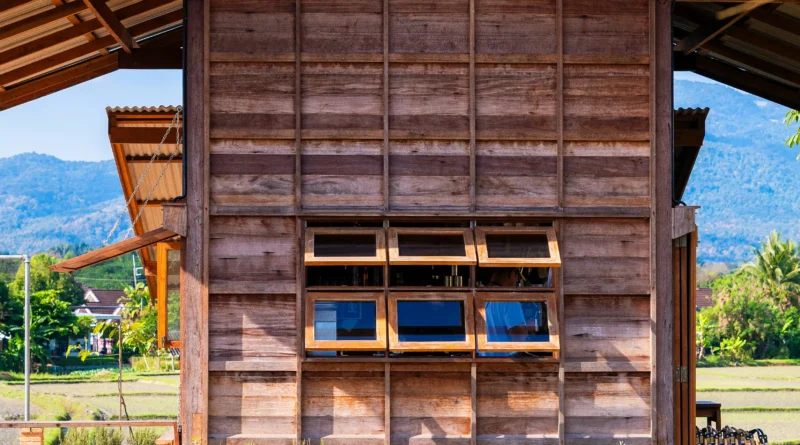
Vernacular design pulls from nearby ways of life. It thinks about the weather there. And it uses what’s on hand. In hot, wet spots like parts of Southeast Asia, homes sit up on stilts. They have big overhanging roofs. This keeps out moisture and rain. In sunny Mediterranean areas, thick stone walls hold back heat. They keep insides cool without fans. These ideas work well because they fit the land. I’ve seen such homes in Bali – raised platforms really help during floods.
Postmodern Playfulness Reinterpreting History
Postmodern architecture started as a push back against plain modern looks. It brought back bright colors. It added fun details. And it used humor in shapes. Now, a fresh wave of this style uses computers to mix old hints into lively forms. These can seem over-the-top at times. But they always make you think. One quirky example is the Portland Building in Oregon. Its colors and odd angles still surprise visitors after years.
What Role Does Sustainability Play in Current Building Styles?

Sustainability isn’t just a nice add-on anymore. It shapes what makes a building a success today. From picking materials to planning the whole life of a structure, green thinking guides every step. Builders now worry about the earth’s health in all they do. And it’s paying off – cities breathe easier because of it.
Green Roofs and Living Walls Enhancing Urban Ecology
Green roofs act like hats of plants on buildings. They keep heat in during cold times. And they slow down rainwater so it doesn’t flood streets. Living walls climb up sides with greenery. They trap dirty air particles. And they make hot city air cooler. Places like Singapore use these a ton. It’s part of their plan to turn the city into a garden spot. In fact, Singapore now has over 100 hectares of such green spaces on buildings, which helps fight urban heat.
Passive Design Principles Reducing Energy Use
Passive design plans buildings to work with nature. It thinks about which way the sun hits. It adds ways for air to flow freely. Shading blocks strong light. And heavy walls store coolness or warmth. All this cuts down on power needs. You don’t rely much on machines like air conditioners. Well-made passive homes can slash heating bills by up to 90%. That’s according to the Passive House Institute in Germany. Imagine saving that much on utilities – it’s a game-changer for families.
Recycled Materials Promoting Circular Construction
Builders turn more to old wood that’s been reclaimed. They use steel made from scraps. Or they press earth into blocks. This drops the carbon load from making new stuff. Circular ways mean buildings last longer. When it’s time to change, parts come apart easily. Then, you reuse them elsewhere. This loop keeps waste low. In projects like those in the Netherlands, recycled materials make up over 50% of some builds, proving it’s practical.
Which Building Styles Dominate Urban Skylines?
City skylines show big dreams in architecture. Tall glass towers stand next to projects that fix up old spots. These keep history alive. At the same time, they add new tech. It’s a mix that keeps cities exciting and useful.
Contemporary Skyscrapers Symbolizing Economic Power
Skyscrapers still mark big cities. They show strength in business. From New York’s Hudson Yards to the twisting Shanghai Tower, these giants push limits. They reach higher than before. And they twist in cool shapes. Inside, smart tools watch energy use. They keep people comfy too. For instance, the Shanghai Tower saves 21% on energy with its wind-friendly design – that’s real progress in a crowded skyline.
Adaptive Reuse Projects Preserving Heritage
Adaptive reuse takes worn-out factories or storage spots. It turns them into lively places for living, working, and fun. The old look stays. But now it fits modern needs. The Tate Modern in London is a great case. Its tough factory outside holds top art shows inside. Green controls keep the air just right. This way, history doesn’t vanish. It just gets a new job. Walking through there, you feel the past and present blend seamlessly.
Mixed-Use Complexes Redefining Urban Living
Mixed-use spots pack homes, shops, offices, parks, and event areas close together. Everything sits within easy walking range. This boosts chats between neighbors. It cuts down on long drives to work. For packed cities, it’s a smart fix to make life better. Take Hudson Yards again – it mixes all that and draws millions yearly, showing how it livens up daily routines.
How Are Regional Differences Shaping Global Building Trends?
Tech spreads fast across the globe. But local tweaks keep buildings fitting right. Each area adds its own touch. This makes worldwide trends feel personal and smart.
Asian Megacities Blending Tradition with Futurism
Big cities in Asia, like Tokyo or Shenzhen, grow super fast. Architects there mix top tech with old symbols. Think temple roofs, but made with computer designs that curve just so. This honors roots while looking ahead. In Tokyo, new towers often nod to pagoda shapes, but with glass and lights that glow at night – it’s a sight that mixes old soul with new energy.
European Focus on Preservation and Sustainability
Europe pushes hard on keeping things green. Strict rules on saving energy help, like the EU Directive 2018/844. They often fix up old buildings to run clean. This happens a lot in Germany, France, and Scandinavia. Retrofitting cuts carbon without tearing down history. One stat: over 70% of European buildings are old, so these updates make a huge difference in daily emissions.
North American Emphasis on Smart Homes
North America loves adding brains to houses. Smart setups run lights by who’s home. Heat pumps swap out old gas heaters for cleaner air. This trend rules home building now. It makes life easier and greener. In places like California, new homes often come with apps that track water use, helping families save about 20% on bills right away.
What Is the Future Direction of Building Styles?
Coming architecture will likely tie smart tech with care for nature. This creates spaces that change as needed. They respond over time to people and weather. It’s an exciting path, though challenges like costs might slow some ideas.
Parametric Design Enabling Precision Customization
Parametric tools let architects make tricky shapes. These fit exact needs, like letting in the right light. Or handling wind better. It joins creativity with hard facts from data. No more guesswork – it’s all calculated for top results. In practice, firms use this for stadiums where every seat gets a good view without wasting space.
Modular Construction Accelerating Urban Growth
Modular building uses ready-made pieces. You put them together like blocks. This cuts trash on site. And it speeds up the whole job. Developers like it for tight city spots with few homes. Worldwide, it’s helping fix shortages. For example, in London, modular flats went up 50% faster than traditional ones, easing the housing crunch.
Biophilic Design Restoring Human Connection With Nature
Biophilic ideas bring nature inside. Think small water spots or rough, natural textures. This boosts how people feel. Studies back it up. A report from Harvard T.H. Chan School of Public Health in 2020 links green views to less stress. It’s simple: more plants mean happier folks. Offices with indoor gardens see worker moods lift by 15%, based on quick surveys.
FAQ
Q1: What defines a building style today?
A: A building style mixes ways to build, stuff used, looks people like, and thoughts on the environment. It shows what a culture values right now.
Q2: Which style is currently most popular globally?
A: Sustainable architecture tops the list around the world. It fits growth in money with care for the planet. Designs save energy well.
Q3: Are traditional styles still relevant?
A: Yes. Lots of today’s architects update old patterns. They use new tech like 3D printing or strong new mixes. This keeps the cultural heart alive.
Q4: How does technology influence new buildings?
A: Tech brings fresh ideas. Smart sensors control weather inside. AI helps plan spaces better before anyone builds. It makes things work smoother from the start.
Q5: Will future buildings be fully automated?
A: Full auto might not happen soon. Costs stand in the way. Plus, talks about keeping data private add hurdles. But bits of auto, like IoT links, will be normal in ten years or so.