
What Are The Must Have Features Of Farmhouse Style Homes
Farmhouse style homes started as basic rural houses. Over time, they turned into one of the top choices for living spaces. Their appeal comes from mixing old-time warmth with today’s ease. These homes mix usefulness with good looks. They create areas that feel lasting and welcoming. This piece looks at the key parts that make farmhouse style homes special. It also covers how they fit into current life. Plus, it points out the main design bits that keep things real.
What Defines the Exterior of Farmhouse Style Homes?
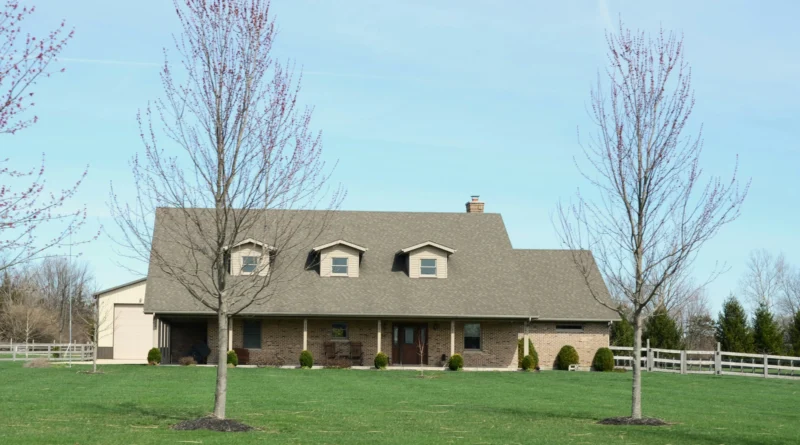
Think of a farmhouse, and the outside jumps into your head right away. Wide porches stand out. Pitched roofs catch your eye. Natural stuff makes up the build. These choices aren’t just for show. They come from real farm needs long ago. The outside gives a hint about what’s within. It shows off plain ways and solid work.
Classic Materials and Finishes
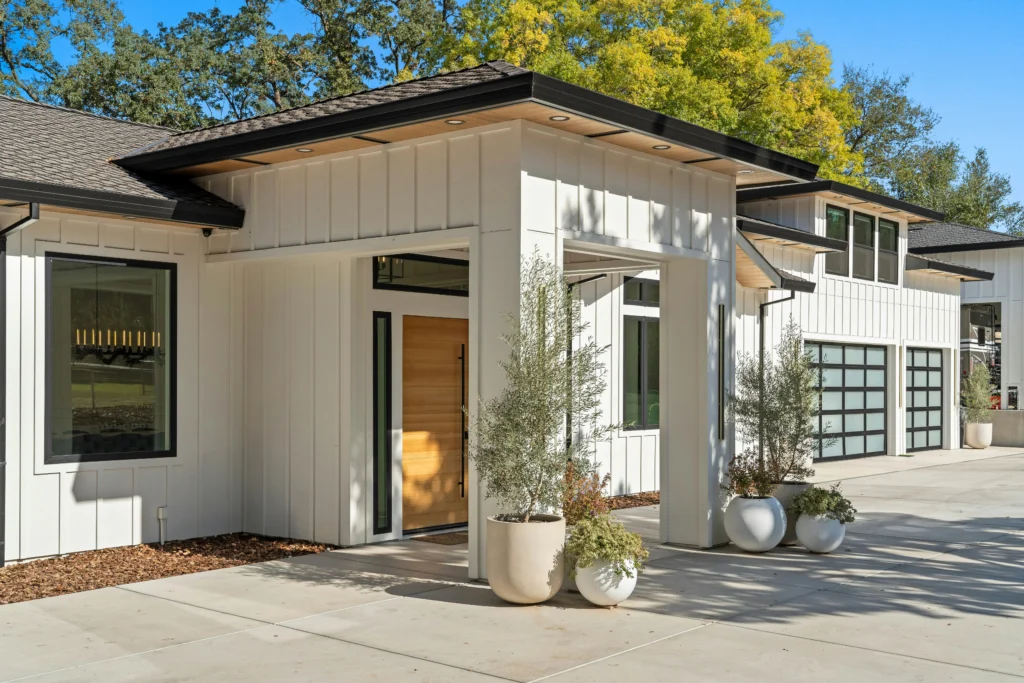
Old farmhouse outsides usually have wood siding. Or they use board-and-batten covers. Paint in soft colors like white, cream, or light gray covers them. Metal roofs show up a lot too. They last a long time. And they bounce back sun heat in hot weather. Stone bits around bases or chimneys give a rough feel. They add a solid, lasting touch. Lots of new takes use fiber cement or fake wood. These make upkeep simpler. Yet they hold onto that true style. I remember seeing one in the countryside with fresh white siding that just glowed under the sun. It made the whole place feel fresh but rooted.
Inviting Front Porches
A big front porch is almost a must in farmhouse plans. Back in the day, it gave shade. It let folks cool down after hard work. Now, it acts as an extra room outside. Rocking chairs fit well there. Or try a swing bench. It’s more than pretty. It turns into a spot for chats. And it links you to the world around.
Symmetry and Simple Rooflines
Some farmhouses have uneven shapes. That’s from add-ons over years for real reasons. But the first designs aimed for even balance. Roofs with gables have straight lines. They shape the outline. Dormer windows pop up on top floors. They let in sun without messing up the roof’s easy form. Take a typical two-story one: the roof slopes gently, and those dormers add just enough light to the bedrooms upstairs.
How Do Interiors Reflect Farmhouse Character?
Step inside a farmhouse style home. Every small thing adds to a sense of ease and purpose. The insides suit family meetups. They work for cooking and chilling out. Formality isn’t the goal here.
Open Floor Plans
Newer farmhouse insides like open setups. Kitchens lead right into eating spots and living rooms. This setup boosts talks between people. It also lets in more sun. Bare beams or reused wood posts help split areas. They do this without walls blocking the way. In one home I know, the kitchen island sits smack in the middle, pulling everyone together for meals.
Natural Materials and Textures
Wood takes center stage inside as well. Think wide wood floors. Or countertops from thick wood blocks. Stone fireplaces or brick walls bring in a touchy feel. They mix rough and smooth parts. This builds layers. And it keeps things natural. Sometimes, folks add a bit of shiplap on walls for that extra cozy bump.
Neutral Color Palettes
Colors inside stick to basics. Whites, light browns, grays, and mild dirt shades rule. These make rooms seem open and steady. Black frames on windows or dark metal bits give sharp edges. They don’t take over the quiet vibe. It’s like the walls breathe easy, letting your eyes rest.
Why Is Functionality So Important in Farmhouse Design?
Farmhouse style came from real needs. Early makers put use first. Looks came second. That idea sticks today. Even with nicer touches added in.
Practical Layouts
Rooms sit in smart spots for quick tasks. Kitchens stay close to mudrooms. Laundry spots hug bedrooms. Hallways run wide for smooth walks. Storage hides in smart ways. Built-in shelves do the trick. Window seats with secret spots work too. Picture a family farm: mudroom right by the back door to shake off dirt before heading in.
Durable Surfaces
Farmhouses take rough daily life in stride. Hardwood floors beat out rugs for lasting wear. Stone tops handle hot pots from stoves. Shiplap walls cover small marks without fuss. Each pick fits everyday use. And it skips constant fixes. Over years, these choices save time and hassle, like floors that still shine after kids’ playtime.
Multi-Purpose Rooms
Flexible spots show up often. An office might turn into a guest sleep area. A loft could serve playtime and quiet reads. This fits how farm folks shifted rooms by season. Needs changed with weather or work. It’s practical, and it adds a layer of smart living that feels just right for busy days.
How Has Modern Influence Changed Farmhouse Style Homes?
Old parts stay popular. But today’s ways have shifted what farmhouse means.
Integration of Technology
Smart controls for heat, windows that save energy, and bright LED bulbs fit in now. They pair with old-style lights. These changes boost comfort. And they keep the look true. No one wants a high-tech gadget ruining the cozy feel, right? It’s all about blending without clashing.
Sleeker Lines and Minimalist Touches
A few owners like less busy insides. Cabinet edges run cleaner. Open shelves hold fewer small items. Hardware stays simple, like flat black or soft brass. It tones down the busyness. Yet it holds the core charm. In urban spots, this keeps things tidy amid city hustle.
Urban Adaptations
City people take to farmhouse looks too. They add rough decor to flats or row houses. Sliding barn doors split rooms. Reused wood tables sit with metal chairs. It works without wide fields nearby. Think a small apartment with a barn door hiding the bedroom—cozy and clever.
What Role Does Lighting Play in Farmhouse Aesthetics?
Light might look like an afterthought. But it sets the tone big time. It highlights building details too.
Abundant Natural Light
Big windows let in tons of day glow. Some go from floor to top. They tie inside views to yards or open lands. Sun pours in, making mornings feel alive and spaces bigger than they are.
Statement Fixtures
Hanging lights over kitchen counters draw eyes. Wrought-iron hangs in eating areas. They become key spots. And they boost the country feel. A simple chandelier can turn a plain dinner into something special.
Layered Illumination
Mix main ceiling glow with work lamps. This gives choices for tasks. Cooking needs bright spots. Night reads by fire call for soft light. Layers make the home work for any hour.
How Can You Personalize Your Farmhouse Style Home?
Making it your own stops it from looking like a store ad. It stays linked to its base.
Mixing Old With New
Team up old chairs with fresh wall art. Layer family blankets over soft sheets. Turn old barn wood into shelves. Pair them with shiny kitchen gear. This mix adds your story. It’s like weaving family history into daily spots.
Incorporating Local Craftsmanship
Pick stuff from near you. Limestone from local digs works well. Handmade tiles from town makers fit too. It brings real ties to your place’s past. Nothing beats that homegrown touch—makes the house feel part of the community.
Landscaping That Complements Architecture
Plants from the area soften porch edges. They ease the shift from house to ground. Gravel walks match country ways. Skip perfect lawns. Go for useful paths instead. Add a few wildflowers, and it ties everything together nicely.
FAQ
Q1: What distinguishes farmhouse style homes from cottages?
A: Cottages push for snug feels on a small scale. They often have fancy edges. Farmhouse style goes for roomy builds. It uses plain setups with nature stuff.
Q2: Are modern farmhouse designs still considered rustic?
A: Yes. They add smooth finishes and fresh plans. But the base stays in simple country ways from farm roots.
Q3: Can farmhouse style work well in urban environments?
A: Absolutely. City houses pick main bits like soft colors, reused wood touches, and work lights. No need for country views.
Q4: What flooring options best suit this design?
A: Wide wood boards are the go-to. But try smooth concrete or tough fake planks. They copy the feel. And they hold up to lots of steps. In high-traffic homes, these save on repairs—think families with three kids running around.
Q5: How do you maintain authenticity when renovating an older farmhouse?
A: Keep key builds like bare beams or first fireplaces. Update wires or pipes out of sight. This way, new fixes don’t hide the old charm. It’s about honoring the past while living easy now.