

Which Building Styles Are Best For Modern Living
Today’s way of life needs more than basic comfort. It requires smart use of resources, care for the planet, and the ability to change with the times. The building style you pick affects not just the look but also how well the space works every day. Choices in architecture now show changing habits, concern for nature, and the use of new tech. This piece looks at main building styles that shape current life. It breaks down their good points from an expert architect’s view.
What Defines Modern Living Spaces?
Current living focuses on being flexible, having plenty of light, and saving energy. Old designs kept rooms separate for different jobs. But now, fresh ideas blend areas for talking and easy movement. The stuff and building methods you choose matter a lot in reaching these aims.
Open-Plan Layouts
Open-plan setups get rid of extra walls. They make smooth shifts between the kitchen, eating area, and living room. This way boosts how big the space feels and spreads natural light better. It fits families who like doing things together. And it keeps some privacy with smart zoning or placed furniture. Think of a busy family in a city apartment. They cook while chatting with kids playing nearby. No walls block the view or the fun.
Smart Home Integration
Smart tech is now a key part of building designs. Things like lights that turn on by themselves or systems that control the air from your phone make life easier. They also help save power. Builders plan for this digital side early. They hide sensors and wires right into the walls. For example, in a new home, you might adjust the thermostat from work. It keeps the place just right without wasting energy. I’ve seen projects where this setup cuts bills by 20 percent in the first year.
Sustainable Materials
Caring for the earth sets the main goals in building today. Folks use reused steel, bamboo for floors, and concrete that lets out less pollution. These cut down on harm to the air. Plus, simple design tricks like pointing windows to catch the sun help save energy without machines. In rainy places like Seattle, builders pick materials that last through wet weather. This keeps homes strong and green for years.
How Do Minimalist Building Styles Support Contemporary Needs?
Minimalism stresses easy and useful over fancy extras. It’s not just about looks. It’s a way of thinking that matches fast daily life. Clear spaces help people stay sharp and relaxed. Sometimes, though, it can feel a bit cold if not done right. But most times, it works well.
Clean Lines and Functional Geometry
Simple buildings use straight shapes. They have flat tops and smooth joins between parts. Skipping too many details lets glass or concrete show their true form. This keeps things looking balanced with the area around. In a quiet suburb, a house like this blends in without standing out too much.
Neutral Color Palettes
Colors in these designs stay soft. Whites, grays, and light browns highlight the feel of surfaces more than bright shades. These colors bounce back more daylight into rooms. They also help keep minds steady in loud city spots. Picture a small office in such a space. The calm tones make long hours less tiring.
Emphasis on Space Efficiency
In crowded towns, every bit of room counts. Simple planning makes the most of it with hidden storage and furniture that does more than one job. This makes tiny flats seem bigger. No need to add more space. For instance, a one-bedroom in New York might use wall shelves and fold-out tables. It feels open even at 500 square feet.
Why Are Sustainable Building Styles Becoming Essential?
Looking after the environment pushes new ideas in building more than before. Structures use about 40% of the world’s energy-linked air pollution, per the International Energy Agency in 2023. Green styles fight this with smart setups and fresh energy sources. It’s not always easy, but the payoff is huge for the planet.
Passive House Design
Passive houses cut the need for outside power. They do this with good insulation, tight seals, and systems that reuse heat from the air. These places keep inside temps steady all year. They need little help from machines. This idea is catching on in Europe and North America. In Germany, thousands of such homes now save owners money on heat in winter.
Green Roofs and Living Walls
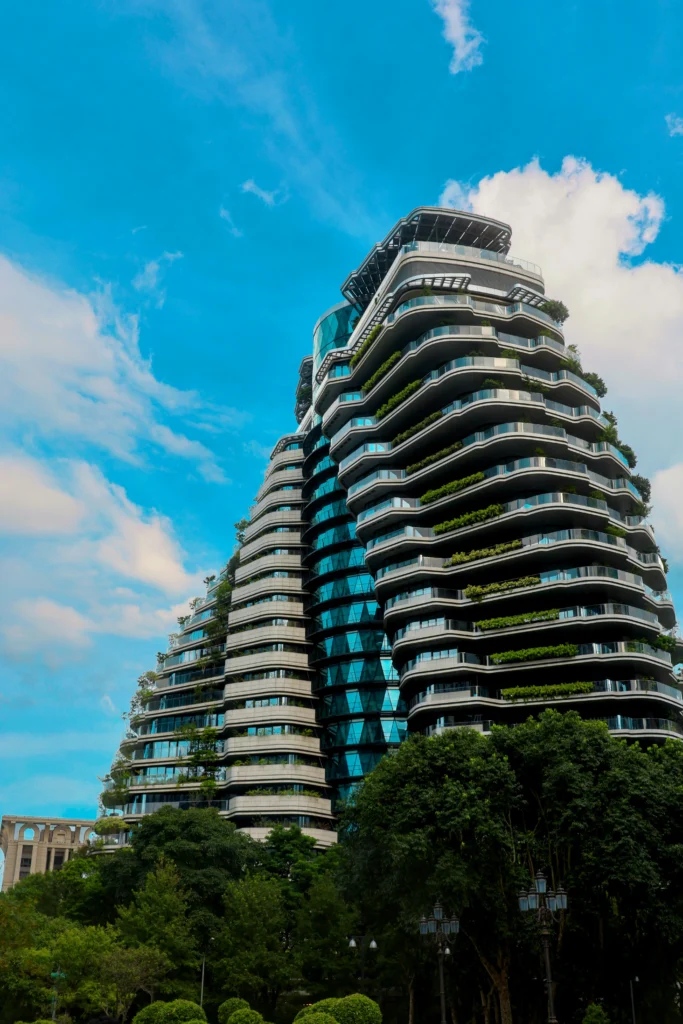
Roofs with plants add better warmth control. They also handle extra rain water in cities. Living walls clean the air on their own. They bring plants and bugs to man-made spots. This adds a quiet green touch to busy streets. Take a high-rise in Toronto. Its green roof cools the building and cuts city heat by a few degrees.
Renewable Energy Integration
Solar panels, ground heat systems, or tiny wind setups are common now. They are not just tests anymore. But part of regular plans. Adding them at the start keeps the look nice. No clunky add-ons later. In sunny spots like California, solar ties in smoothly with the roof design. It powers the home for free on bright days.
What Role Do Industrial-Inspired Styles Play in Modern Architecture?
Industrial looks came from turning old storage buildings and plants into homes in the late 1900s. They stay liked for their real feel and strong build. Young workers in cities pick them for the unique vibe. It’s raw, but that’s the charm.
Exposed Structural Elements
Showing beams, tubes, or brick walls honors the build’s true work. It skips hiding them under covers. This open way fits today’s push for honest spaces, both for people and rooms. In a converted factory loft, you see the iron supports. They add a story to the place.
Mixed Material Textures
Mixing rough steel with old wood or shiny concrete gives a touch of soft and hard. This mix brings warmth and strength. It’s big in creative work areas. Designers love how it sparks ideas. One studio I know used this in their office. The textures make brainstorming sessions more lively.
Large Windows and High Ceilings
Big windows and tall rooms started for air flow in old factories. Now they bring lots of sun inside. They link the inside to the outside view. This helps moods in tight city life. In Chicago, lofts with these features feel less boxed in. Sun pours in, making evenings cozy.
How Do Traditional Building Styles Adapt to Modern Expectations?
As styles move to simple or factory-like, old ways still matter. They update with new tools or room fixes. This keeps the old charm while fitting now needs. It’s a balance that’s tricky but rewarding.
Colonial Revival Adaptations
Old colonial shapes can have open insides behind classic fronts. They use light frames over heavy stone. This saves the look but meets rules for better warmth. In the East Coast, such homes keep history alive. Yet they stay comfy with modern insulation.
Mediterranean Influences Today
Smooth stucco outsides with clay tile roofs do well in hot areas. Now they add double glass windows and coatings that bounce back heat. This controls warmth without losing the local style. In Florida, these updates cut air conditioning use by half. Families enjoy the breeze without the bill shock.
Craftsman Reinterpretations
Craftsman houses focus on made-by-hand touches. They change with ready-made parts for custom fits at lower prices. This keeps the skilled look. In California bungalows, new takes use wood details that feel real. Owners get the warmth without the high cost of full handmade work.
Which Futuristic Building Styles Are Emerging Worldwide?
Building tests go on around the world. Designers try new stuff like strong fiber mixes or plant-based plastics. These can change city views in green ways. It’s exciting, though some ideas take time to prove out.
Parametric Architecture
Tools like Grasshopper for Rhino let builders make tricky shapes with math. These forms react to weather info. For example, outside walls change shade based on sun paths all day. In Dubai, a building like this saves cooling costs. It adjusts without people touching it.
Modular Construction Systems
Ready-made parts cut waste on site by up to 80%, as per the McKinsey Global Institute report in 2022. They speed up builds a lot. This helps fix home shortages everywhere. And it keeps quality high. In fast-growing cities like London, modules stack quick. A whole house goes up in weeks, not months.
Adaptive Reuse Concepts
Changing old buildings into spots for living and work saves history. It cuts trash from tearing down. This beats starting from scratch. Cities push this for a loop economy in plans. In New York, old offices turn into apartments. It keeps the past feel while adding fresh uses. One project housed 200 families this way, saving tons of waste.
FAQ
Q1: What Is the Most Popular Building Style for Urban Areas Today?
A: Simple designs lead because they use space well and have a neat look. This fits tight city spots where room is key. In places like Tokyo, these styles make small homes work for big lives.
Q2: How Does Sustainability Affect Construction Costs?
A: Upfront money might go up 5 to 10 percent. But savings on power bills pay it back in a few years. The World Green Building Council shared studies in 2023 that show this. One office building saw returns in just three years.
Q3: Can Traditional Homes Incorporate Smart Technology Easily?
A: Yes. Adding wireless controls skips big wire jobs. This makes updates possible even in old spots. Do it with expert help to fit rules. In a Victorian house, smart lights blend in without changing the charm.
Q4: Why Are Industrial Lofts Still Trendy Among Designers?
A: The big open areas let rooms change for living and work mixes. This matches life after the pandemic, where flexible spaces matter more than set rooms. Creatives in Berlin swear by them for inspiration.
Q5: Which Future Materials Might Revolutionize Building Styles Next Decade?
A: Self-fixing concrete with bacteria to heal cracks looks good. Also, clear solar windows from labs like MIT’s Materials Science Laboratory in 2024. These could make buildings power themselves without big panels. Imagine a skyscraper that generates its own energy from the glass.