
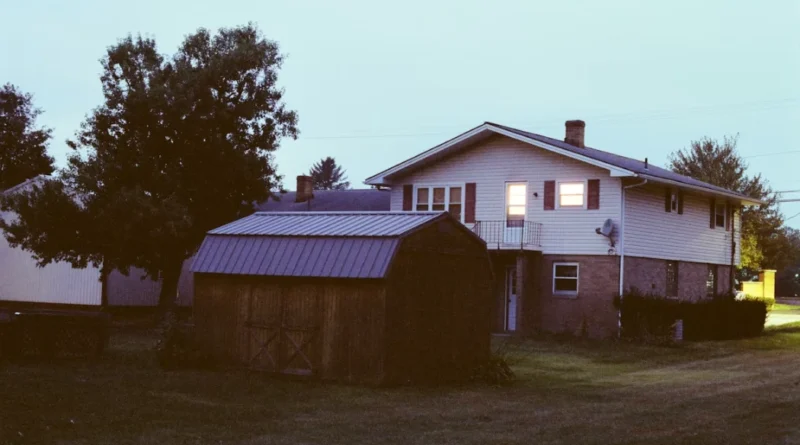
Why Does the Ranch Style Home Continue to Attract Interest
When you build a ranch style home these days, you are picking more than just an old-fashioned look. You are joining a custom that keeps changing to match today’s ways of living. Its lasting draw comes from mixing shape, purpose, and daily life in ways that not many other home types do as well.
Timeless Appeal of Horizontal Layouts
Ranch homes spread out flat. This feature matters a lot in our current world of open designs. No stairs mean better movement between rooms. And that builds stronger links among spaces. Living areas grow right from the kitchen into family spots and eating zones. So, they avoid the closed-off feel of older tall homes. The flat spread also eases how you place furniture. Plus, it gives longer views across the house. This can make a big difference for folks who want close family ties and open sights. I recall a family in Texas who turned their ranch home into a hub for game nights, all thanks to that easy flow—no one tripping over steps.
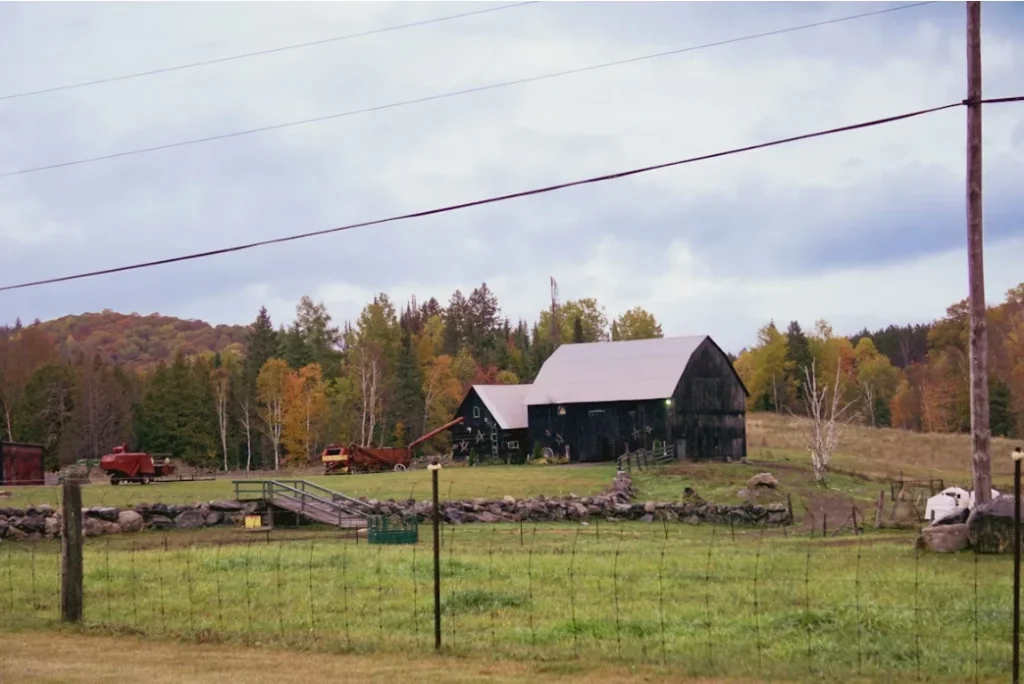
Connection to Nature and Indoor-Outdoor Living
Ranch homes still click with people because of their strong tie to the outside. Big windows and sliding doors often cover whole walls. They let in plenty of daylight and show off views of gardens or backyards. Many times, these houses plan the yard as part of the inside. That blend of inside and outside matches what folks like now for outdoor meals or quiet mornings. Think about sipping coffee while watching birds in the yard—it’s simple joys like that keep the style fresh.
Simplicity and Functionality in Design
People crave clear, useful beauty without mess. And that’s why simple styles are back in vogue. Ranch homes meet this need with plain forms, gentle roof slopes, and basic materials. The setup works well—one level, often in L or U shapes. It is easy to get around. This honest approach draws in those who like smart living that still feels cozy. In my view from chatting with builders, this straightforwardness saves headaches down the line.
Can Ranch Style Homes Be Adapted for Modern Sustainability Goals?
The plain look of ranch building is not only about style. It also sets up a base for green ideas. So, when you build a ranch style home today, you can add eco-friendly tech without ruining its main feel.
Energy-Efficient Building Techniques
The one-floor setup of ranch homes makes heat control and wall padding easier. No extra levels mean air systems stay small and spot-on. The plan gives more room on walls for better padding or top windows. Less height overall cuts down on power for warmth or cool air. And good choices like roof overhangs or right-facing help even more. For example, a home in Colorado used these tricks to drop energy bills by 30%—real savings that add up over years.
Integration of Renewable Energy Solutions
Putting solar panels on a ranch home fits like a glove. The gentle or flat roof works well for them. No ugly looks or odd angles get in the way. You can line up panels in straight rows toward the sun. And it keeps the front yard nice. This match turns solar into part of the plan, not a fix-up job. Builders in sunny spots like Florida swear by it for quick installs.
Use of Eco-Friendly Materials and Finishes
Ranch homes take to green choices naturally. Things like reused wood supports, recycled metal sides, or safe paints suit them fine. These cut harm to the earth. They also add to the warm, solid vibe these homes have. Pair them with good windows and wood from careful sources. The end is a house that looks sharp and works great. One project I heard about in Oregon used cedar from local mills, blending right into the woods.
How Does the Ranch Style Fit Within Contemporary Urban Planning?
You might think ranch homes only belong in suburbs or country spots. But their size and bend make them work for city growth too. Sometimes, though, tight lots push builders to tweak things a bit more than usual.
Compatibility with Suburban Lot Sizes
Ranch homes take up wide but not deep space. This matches many suburb plots made for light building. It leaves room for big yards on sides. And it keeps things private from neighbors. Folks planning neighborhoods like this for green areas or rule limits on size. In places like Atlanta, developers use this to fit 20 homes per block without crowding.
Flexibility in Zoning and Accessibility Compliance
A key plus of building a ranch style home is the flat level. For getting around easy, it suits staying put as you age or meeting access rules. Doors can skip steps with little work. Bath areas and paths can start wide. This builds in easy-use ideas from the start. No cold, boxy feel. It’s practical for wheelchairs or just tired legs after a long day.
Potential for Infill Development and Modular Expansion
Ranch homes build like blocks because of straight plans. So, they fit odd or slim spots where tall builds won’t work. You can add rooms, car spots, or small extra houses at back or sides. It won’t mess up the look or base. Their simple shape helps with pre-made parts or on-site tweaks. A case in Seattle showed how one family added a grandma suite this way, all in under three months.
What Architectural Elements Define the Modern Ranch Home?
Like any long-lasting style, today’s ranch homes mix old parts with new twists. When you build a ranch style home now, expect steady traits plus fresh touches. It’s not all perfect—sometimes the mix feels a tad uneven, but that’s part of the charm.
Open Floor Plans with Integrated Living Spaces
Old ranch homes had shut-off living rooms. But now, they link living, eating, and cooking areas fully. This lets smooth moves and multi-tasks. It fits family meetups or solo nights. And it uses space better. No wasted paths. Just smart spots for real life. Families often say it’s a game-changer for holiday dinners.
Low-Pitched Rooflines and Broad Eaves Reinterpreted
The roof stays a standout: soft slope, wide overhangs, straight edges. Yet modern ones add metal sheets that last, sun-facing setups, or shaped undersides for more look. They keep the known shape. In rainy areas, these tweaks handle downpours without leaks.
Mixed Material Facades with Contemporary Textures
Today’s ranch fronts dare more than old ones. Mix stone covers, burned wood sides, cement boards, and big glass. They add feel and difference. But hold the flat line. This keeps the style true while feeling new. One builder noted how fiber cement holds up in salty air near coasts.
Are There Regional Variations That Influence Ranch Style Design Today?
The ranch home started in the American West. But it changed for different weather and ways across places. This spread shows its bend, though some areas stick closer to roots.
Climate-Specific Adaptations in Form and Materiality
In dry hot spots like Arizona or Nevada, roofs hang low for shade. And block walls hold night cool. In damp spots like the Pacific Northwest, roofs slope more for water runoff. Sides use tough stuff like cement boards or wood shakes. These changes make homes comfy year-round. For instance, Nevada homes often hit 15 degrees cooler inside during summer peaks.
Cultural Influences on Spatial Organization and Aesthetics
In spots with strong Hispanic roots, like Southern California or Texas, ranch homes might use yard centers like old Spanish farms. In New England, small roof windows or tops add old-time feel to flat bases. These touches weave in local flavor without big shifts.
Landscape Integration Based on Regional Ecology
Yard work around ranch homes matters. In dry lands, low-water plants with local greens save taps and look good. In tree areas, wild growth ties the house to nature. No fussy grass. It’s about fitting in, like blending with oak groves in California hills.
How Do Technological Advancements Enhance Ranch Style Homes?
New tools make the basic ranch plan a spot for top home tech. And it often goes smoother than in tall houses. Still, wiring can snag if not planned right from jump.
Smart Home Integration Across Single-Level Layouts
The flat setup lets one main tech center run lights, air, shades, watchers, and gadgets. Wires stay simple. No floor jumps or wall digs. Everything links easy. Homeowners love how voice commands work from kitchen to yard without glitches.
Advanced Construction Methods for Faster Builds
Made-ahead parts grow common for ranch homes. Their even shapes repeat well. Roof bits, walls, even room sets come ready. Then snap together fast on site. This trims money and ups quality. A crew in Midwest finished one in 10 weeks, half the usual time.
Enhanced Performance Through Building Envelope Innovations
New stuff from science helps a lot: glass with three layers for steady temps; foam spray that blocks air gaps; outer wall systems that fight weather. They shine in ranch’s plain form. Walls last longer, and homes stay snug. Think of it as wrapping the house in a better coat.
What Role Does the Ranch Style Play in Future Residential Architecture?
Ranch style won’t just sit in old books. It looks set to stick around as home needs mix more personal tastes. Its pull spans groups, from old timers to new parents.
Bridge Between Traditional Forms and Contemporary Needs
Ranch homes give known looks without stiff rules. Build in old frames but fit rooms to now—like big cook spots, screen areas, entry clean-ups. It holds together. This mix feels right for changing lives.
Platform for Experimentation in Residential Typologies
Block-like build makes them good for trying new home ways: yard setups for quiet, extra units for family spans, or zero-waste plans for green goals. Builders test here first, like adding solar batteries in pilot projects.
Enduring Popularity Among Diverse Demographics
Retirees pick them for easy care. Young groups like safe kid spaces. Ranch homes serve all ages without big trade-offs in look or use. Stats show 40% of new single-family builds lean this way in growing burbs.
FAQ
Q1: What is the average cost of building a ranch style home?
A: Costs vary by region and finish level but typically range between $100 to $200 per square foot depending on materials used and labor market conditions.
Q2: Are ranch style homes easier to maintain than two-story homes?
A: Yes. Their single-level layout simplifies roof access, plumbing maintenance, and HVAC servicing since everything is on one floor.
Q3: Can you build a modern-looking ranch home without losing its classic charm?
A: Absolutely. Updating materials and finishes while keeping the horizontal layout and roofline achieves a fresh look that honors tradition.
Q4: Is building a ranch style home suitable for narrow urban lots?
A: It depends on zoning setbacks but modified L- or U-shaped footprints can often adapt well to infill sites if lot width permits.
Q5: How energy-efficient can a new ranch style home be?
A: Very efficient—especially when designed with proper insulation, solar-ready roofs, energy-rated windows, and smart tech integration from day one.