
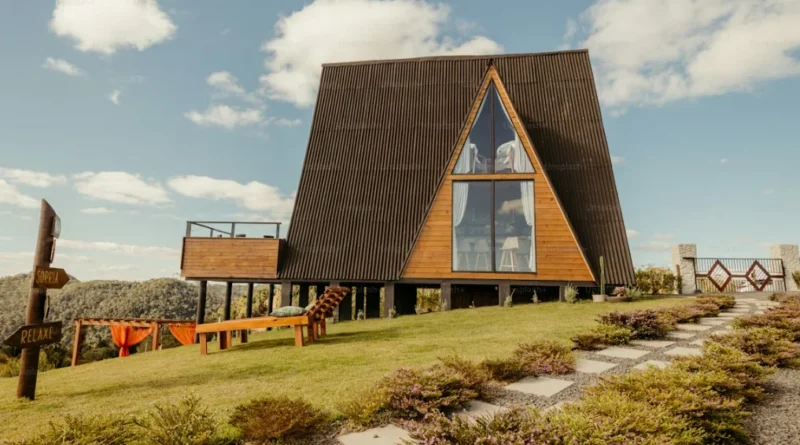
Why Is the Modern Farmhouse Style Well-Suited to Single-Level Barndominiums
The modern farmhouse style fits perfectly with the design of single-level barndominiums. These two building ideas both come from a place of practicality and plainness. They join together smoothly to fit today’s country living. If you plan to build a one-story barndominium, picking the modern farmhouse look does more than just please the eye. It also boosts how the structure works, how easy it is to live in, and how well it can change over time.
Blending Rustic Aesthetics with Contemporary Functionality
The appeal of the modern farmhouse comes from how it mixes old-time feel with today’s demands. Classic farmhouse parts, such as rough wood surfaces, pointed roof ends, and board-and-batten walls, sit side by side with simple insides, smooth storage units, and soft color choices. This mix works very well with barndominiums. Those often begin as basic steel-frame buildings.
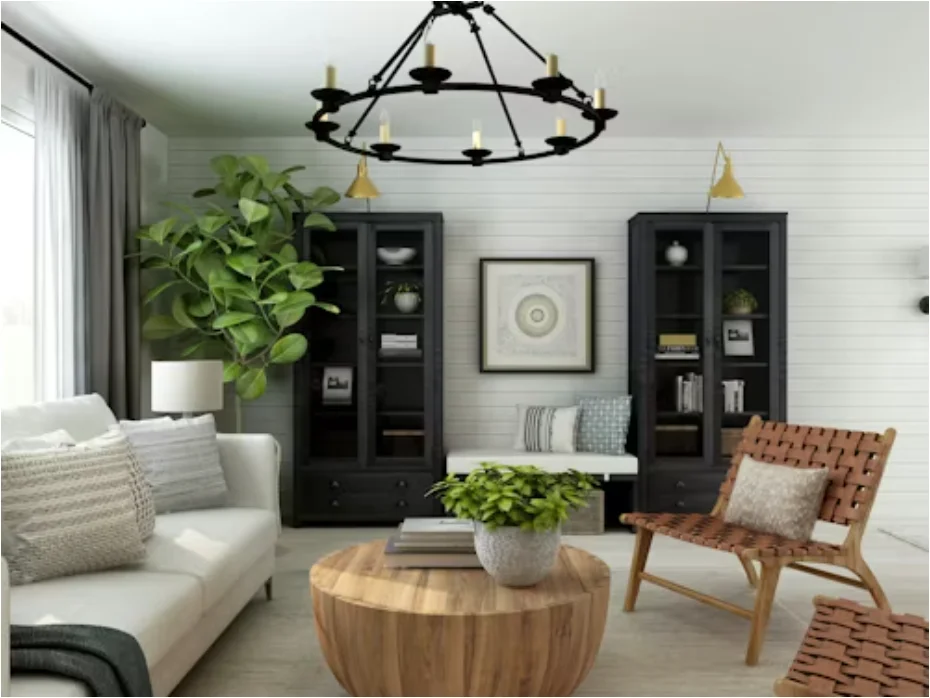
Barndominiums already lean toward wide-open floor plans. The modern farmhouse look just adds to that base. You will see setups where kitchens lead right into living and eating spots with no walls in the way. Straight lines and quiet shades of whites, grays, and real woods let in light. They make single-level areas seem bigger and more connected. For instance, in a home I know of, this setup turned a cramped space into a bright gathering spot for family meals.
Enhancing Spatial Flow and Natural Light
The modern farmhouse style makes the most of openness. It does this not only in floor plans but also in how it handles light and fresh air. Big windows, particularly those with black frames, form a key part of the look. These windows offer more than just sharp contrast. They let plenty of daylight pour inside. They also link you to the land around your home.
High ceilings that slope upward count as another main trait. They often rest on open beams or supports. These draw your gaze up and make the room feel wider. In a one-story building, this matters a lot. It adds height interest in place of the changes you might get from several floors.
Areas that ease the shift between inside and outside, like glass doors that slide to patios, encourage living that blends both worlds. This proves handy if you own wide land or run a small farm for fun. It cuts down on walls between chores, relaxation, and play. Think about a rainy day when you can step out without getting wet, or a sunny afternoon barbecue right off the kitchen.
Supporting Cost-Efficient and Practical Construction
A quiet plus of pairing modern farmhouse design with barndominiums lies in how simple the building process gets. The roof shapes stay straightforward. They usually have even gables or sloped styles that cut down on framing work. This leads to faster construction and less leftover materials.
You could pick upcycled wood or stone from nearby spots. Both show up often in farmhouse builds. They lower costs for supplies. Plus, they help with green building aims. The modern farmhouse focus on tough, easy-care surfaces, such as dull metal roofs or fiber cement walls, keeps care simple as years pass. In one project, using local stone saved about 15% on materials, and it blended right into the rural view.
How Does the Architectural Layout Benefit from Modern Farmhouse Elements?
Besides looks, the building setup of a modern farmhouse barndominium fixes everyday issues. It goes beyond style. It covers how folks move around, where they meet up, and how a house shifts with life’s changes.
Prioritizing Function Over Ornamentation
Farmhouse design never chased fancy add-ons. It sticks to useful parts instead: entry rooms for muddy shoes, storage closets for big buys, wash areas that serve as work spots too. Builders place these near doors or garage links. That smooths out daily tasks.
Inside touches stay basic. Picture flat-front storage units, shelf walls instead of top cabinets, and fixed shelves that cut down on extra chairs or tables. This plain approach lets you use ready-made parts or flat panels in the build. It shortens wait times and holds down spending. From what I’ve seen in builds, this keeps things under budget without skimping on comfort.
Encouraging Centralized Living Spaces
Modern farmhouses put gathering spots in the middle of the house. Kitchens often have wide counters that work for cooking and eating. Living and meal areas spread out from this center. It forms a main spot for family time.
This middle setup shrinks wasted hall space. That’s a big flaw in many old plans. It frees up room for real use without growing the whole size. If you build on a tight wallet or small plot, this helps a ton. One family I heard about turned their central kitchen into a homework hub, and it just worked better than spread-out rooms.
Adapting Easily to Varied Lot Sizes and Orientations
The usual shapes of modern farmhouse plans, either straight lines or L-forms, bend well to fit most country lots. Your land might stretch wide but not deep, or go far with tight entry. You can tweak room spots without messing up the overall look.
Direction plays a role too. You want sun from the south for free warmth? Move your windows that way. Need quiet on one side from close neighbors? You can do that. These houses feel built to adjust. Future adds come with less hassle. It’s like the design anticipates real-life twists, such as adding a play area later.
What Design Features Define the Modern Farmhouse in This Context?
From the street view or inside feel, modern farmhouse barndominiums stand out with a few steady signs. These go beyond decoration. They back up country life and ease cleaning.
Exterior Materials and Finishes That Reflect Rural Roots
Outside, expect board-and-batten walls, at times mixed with flat slats for change, and tall-seam metal roofs in deep colors like charcoal or black. These hold up against weather. They echo the farm past that barndominiums honor.
Roofed porches boost front charm. They give useful outside room too. These porches do more than look nice. They block summer sun, shield from showers, and let you drop off stuff before going in. In hot spots like Texas, that porch shade can drop indoor temps by 10 degrees, based on builder reports.
Interior Design That Marries Warmth with Simplicity
Indoors, look for plank walls or ceilings in spots, not all over, to add feel without crowding. Kitchens get deep sinks. Barn-style doors slide to close off work rooms or desks. Hanging lights with a factory look hang over kitchen counters.
Floors lean to broad wood boards or strong fake wood in cozy shades. Gentle fabrics like cloth drapes or thick blankets bring ease without mess. Each room seeks a mix of homey and workable. It’s the kind of setup where you kick back after a long day in the fields, with everything in easy reach.
Structural Forms That Support Open Living Concepts
Pointed roof shapes let you add high side windows or tiny upper storage if rules permit. Barndominiums use post-frame or steel systems that skip inside weight walls. This lets you make huge open areas that wood frames can’t handle.
That openness means you can switch rooms later. A kid’s play spot turns into a work office. A spare bedroom becomes an art space. Flexibility like that keeps the home fresh for years.
In What Ways Do Modern Farmhouse Principles Align with Barndominium Construction Methods?
These two styles don’t just match in looks. They fit together in almost every building step.
Compatibility with Steel Frame Systems and Post-and-Beam Construction
Modern farmhouses shift nicely to steel frames. Their style shows off the build: open beams, little extra trim, plain shapes. So you don’t cover steel posts. You make them a feature.
Roof supports stay simple. No fancy side rooms or towers to complicate things. If you go with post-and-beam using wood parts, it fits the cozy farmhouse warmth even more. Builders often say this combo cuts framing time by a week or so on average homes.
Efficient Use of Space Within a Single-Level Envelope
Many steel frame setups skip inside weight walls. So planning room use gets freer. Wide-open plans mean less hall ways, fewer doors, and more real living space in a small overall size.
You split one room into two with a quick wall. Or change a desk area to a baby room without big fixes. Such change suits growing kids or shifting family setups. It’s practical, especially if life throws curveballs like a new job from home.
Integration of Sustainable Building Practices
Modern farmhouses often have big south windows and wide roof edges. That makes free sun heat simple to add. Toss in good air systems and on-demand water heaters. You end up with low running costs.
You harvest rain from metal roofs. Or set up air flow with windows on both sides that open. Both fit well in green country homes. One eco-build I recall used this to slash energy bills by 20% in a windy Midwest spot.
How Does the Style Address Lifestyle Needs in Rural or Semi-Rural Settings?
If you dwell beyond town edges or use your ground for pets, plants, or tool storage, this plan suits fine.
Tailoring Design to Agricultural or Hobby-Farm Living
Modern farmhouse barndominiums link well to side shops or car shelters, either joined by a walkway or set apart close by. Inside, entry buffers keep dirt from spreading to main areas.
You see smart touches like shoe seats at doors, big sinks in wash rooms for cleaning gear or veggies, and broad openings that ease hauling stuff. These little things make farm days smoother, like rinsing mud off boots after tending the garden without tracking it everywhere.
Creating Comfortable Multi-Purpose Living Environments
If you juggle desk work with home life, or want bendy guest spots, the open setup plus middle plan makes dividing easy. One spot holds your work corner. Another acts as hobby area that turns to sleep space overnight.
These houses let you mix tasks and rest. They do it through smart room spots and items that serve double duty. No need to pick one over the other; everything flows together nicely.
Enhancing Connection to Surrounding Landscape
Porches that wrap around give seat spots with full views of fields or trees. Big sliding doors tie those porches straight to kitchens or sitting rooms. That eases group events.
Land around uses local plants in loose groups, not trimmed yards. It saves water and fits the local feel. Picture sipping coffee on the porch, watching deer in the morning mist— that’s the draw.
What Are the Long-Term Benefits of This Design Pairing?
Matching modern farmhouse style with single-level barndominium build sets you up for years of ease, use, and good sell price.
Durability Through Timeless Aesthetic Choices
Both ideas skip quick fads. No bright tile designs or odd colors here. Just lasting stuff picked for strength, like metal roofs and fiber-cement walls that fight fire and bugs.
One-floor plans aid staying put as you age. No steps to climb. They keep interest with high ceilings or different roof lines. Over 30 years, that means fewer repairs and more enjoyment.
Market Appeal Across Demographics
New families like the wide layout and low cost. Older folks prize easy access with fresh perks. Home workers dig built-in desk spots without extra room.
This wide draw can lift sell worth later. Even in country spots where buyers want plain styles. Stats from real estate show these homes sell 10-15% faster in rural markets.
Potential for Customization and Future Adaptation
Need a car spot down the line? Bolt one near the entry buffer. Want a side work shed? Your straight lot takes it without breaking the flow. The bendy side of both barndominiums and farmhouse plans makes changes simple. Style stays whole.
Smart setups for lights or yard water can add on later. Most builds use open frames that allow this in early steps. It’s forward-thinking without overdoing it today.
How Do Interior Planning Strategies Enhance Livability?
Solid design goes past sights. It shapes how spaces work each day for varied family types.
Zoning Public and Private Areas Effectively
Bedrooms usually sit at ends away from group spots like kitchens and big rooms. This guards quiet even in crowds. Work entries go right to wash or food storage zones. Dirt stays put.
Open kitchens act as chat hubs. Cooks talk over counters to kids studying or friends sipping nearby. It builds bonds without walls in the way. In busy homes, this setup cuts down on yelling across the house.
Optimizing Storage Without Visual Clutter
Deep closets let you drop top cabinets for bare walls over counters if you like. Fixed shelves or seat nooks cut need for big items. They add charm too.
Even under-stair spots, if you add a small upper area, turn to hidden storage. That’s smart planning you rarely find in old houses. It keeps things tidy, like stashing holiday gear out of sight but close.
Ensuring Accessibility Across All Life Stages
Broad doorways fit chairs or aids if required later. Flat floors between rooms lower trip chances. Bath spots often have wall supports ready for hand rails ahead. It plans for tomorrow without changing looks now. Families appreciate this as kids grow and elders stay.
FAQ
Q1: What makes modern farmhouse ideal for single-level homes?
A: Its open floor plans and minimalist detailing suit one-story layouts by maximizing space flow without adding complexity through staircases or heavy partitions.
Q2: Can barndominiums look high-end despite using metal frames?
A: Yes, combining exposed beams with warm finishes like wood siding creates a refined yet rustic feel aligned with modern farmhouse style.
Q3: Are these homes suitable for aging residents?
A: Absolutely; single-level layouts eliminate stairs while features like wide doorways and low-threshold showers support age-in-place goals naturally.
Q4: Is it possible to expand these homes later?
A: Yes; their modular footprints make adding garages, wings, or accessory units straightforward without disrupting original structures.
Q5: How does this style perform in different climates?
A: With proper insulation and strategic window placement common in modern farmhouses, these homes adapt well from snowy regions to hot southern zones.