
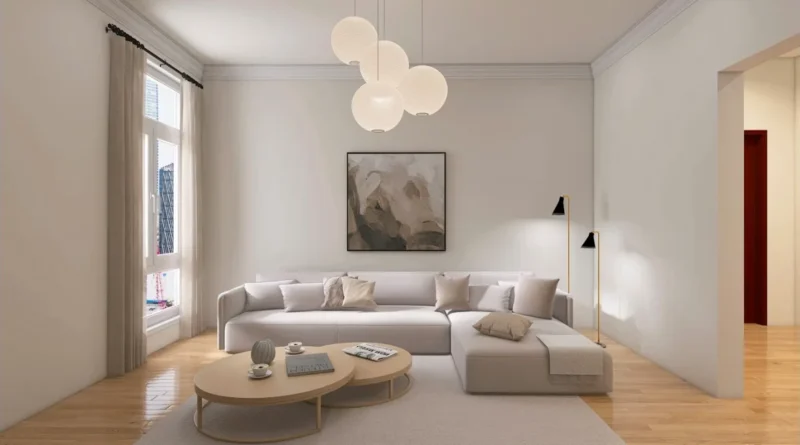
Are These Living Room Furniture Trends the Biggest Design Mistakes in 2026
8 Living Room Furniture Trends Designers Warn Against in 2026
The modern living room has always been a spot where style, ease, and fresh ideas come together. But as the design field speeds toward 2026, plenty of trends that seemed cool before now look old-fashioned. Experts are telling homeowners and pros to pause and think before chasing some paths. These paths might hurt how long the look lasts and how well it works in real life. The next parts look at these worn-out or tricky trends. They also share simple swaps to build a lasting, useful area. I remember chatting with a designer friend who redid her own place last year. She ditched a few of these and felt way better about the flow.
Why Are Oversized Sectionals Losing Their Appeal?
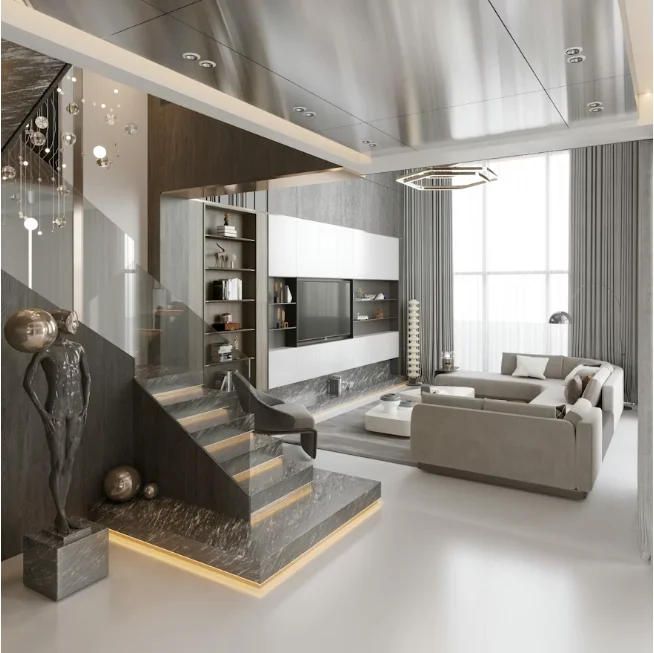
Big sectionals used to stand for fancy comfort. They took over open living spots. However, pros now view them as poor on space use and too bulky to look at. In today’s tight modern living room, every bit of room counts. Huge pieces can cut down on options and make things feel messy.
Space Efficiency Concerns
A big sectional usually sets the whole room’s setup. It leaves almost no space for extra chairs or small tables. Rearranging turns into a headache. This gets tough in small flats or rooms that serve many purposes. For example, in a city apartment I visited, the owners squeezed in a giant one. They ended up with no room to move around during family movie nights.
Visual Balance in Open Layouts
Open homes need smooth views between areas. A huge sectional can block those lines and break the easy flow. Pros point to flexible seating that you can shift around. This keeps things from overpowering the room’s build. It’s like how a river flows without big rocks in the way—everything connects naturally.
Comfort Versus Functionality
Large sectionals offer a lot of seating at first glance. But they often fall short on back support when a few folks sit at once. Pick smaller couches with easy chairs instead. They give better body hold and lively setups. Plus, in my experience from home tours, people switch seats more often this way, which keeps gatherings fun.
Are Minimalist All-White Interiors Still Relevant?
Simple white-everywhere rooms were a sign of class once. By 2026, though, this style comes off cold instead of calm. Pros say rooms need more personality now. Even in fresh living areas, folks want that personal touch back.
Lack of Warmth and Character
A full white scheme often fades out real feels in fabrics and tones. It kills the room’s layers without some shade play or mixed stuff. Under fake lights, it looks flat and dull. Imagine trying to read a book there on a rainy afternoon—it just doesn’t invite you in.
Maintenance Challenges
White cloths and walls need endless care. Tiny spots or marks show up right away. This makes them hard for daily life. Families with kids or pets find it a nonstop battle, as one interior blog I read pointed out with real homeowner stories.
Shift Toward Earthy Neutrals
Pros lean to softer beige or brown shades now. These add real feel through rough touches. They bring life without big color jumps. It’s a gentle change that fits busy homes better. Over the past year, I’ve seen this in more showrooms, and it makes spaces cozier for chats or relaxing.
Why Do Matched Furniture Sets Feel Outdated?
Buying full sets promised easy style once. But in 2026, they lock you into one look that ages fast. Designers push for picking pieces that mix well. This way, your modern living room grows with you over time.
Restricted Style Choices
Sets tie everything to a single vibe. If tastes change, the whole group looks off. It boxes in your options. Blending old and new lets you tweak without a full redo. For instance, pair a classic wood table with a sleek metal lamp. The contrast sparks interest.
Reduced Flexibility
Grabbing sets cuts down on later changes. Swapping one item throws off the full picture. Mixing lets you update bit by bit. You avoid starting from scratch. This approach suits real life, where budgets and needs shift, like after a move or new hobby.
Trend Toward Curated Eclecticism
Pros like blending metal types, surface shines, and shapes. It gives a gathered-over-years feel that’s real, not fake. Think of it as your room telling a story through bits collected from trips or markets. This keeps things fresh without trying too hard.
Is Fast Furniture Damaging Modern Design Integrity?
Quick, cheap furniture floods online shops. It’s made for short use. But experts say it hurts solid work and green goals key to today’s design rules. In a world pushing for less waste, this stuff just doesn’t hold up.
Environmental Impact
Made-in-bulk items pile up in dumps fast because they break soon. Lots use cheap board or weak wood that wears out quick with normal wear. One study I came across noted that by 2025, furniture waste could hit record highs if this keeps going. It’s a big wake-up call for buyers.
Poor Craftsmanship
Fast pieces skip strong joints and tough stuff to save money. Soon, cushions droop, covers peel, or legs wobble. This cuts comfort and safe use. I’ve seen friends regret cheap buys after just a season—back to shopping again.
Investment in Longevity
Pros advise spending on a few strong items from real wood or metal bases. These hold up well as years pass. They cut down on waste over time too. It’s like buying a good pair of shoes that last years, not ones that fall apart after a month.
Are Bold Geometric Patterns Becoming Too Aggressive?
Sharp shape prints ruled chairs, couches, and floor covers lately. But in 2026’s living rooms, pros warn against too much of it. These can tire the eyes instead of lifting the space. A little goes a long way, they say.
Visual Fatigue
Hard edges and repeating designs grab your gaze hard. Yet they seldom help you chill out. Living spots should let you unwind after busy days. Overdoing patterns feels like staring at a busy screen all evening—exhausting.
Difficulty in Coordination
Strong prints bump heads with art or window treatments easy. You need solids or soft feels to balance them. Without care, the room turns into a jumble. Designers share tips from projects where scaling back one bold rug fixed the whole vibe.
Preference for Organic Forms
Now, smooth curves from nature win out. Picture soft-armed seats or rippled glass pieces. They add calm interest without overload. This shift brings back ease to homes, much like a gentle park path versus a sharp city grid.
Why Are Glossy Finishes Falling Out of Favor?
Shiny high-polish items once meant sleek future style. Today, they seem fake next to the touch-you-can-feel realness pros love. Natural looks are taking over in living spaces.
Reflection Issues
Shine bounces light in odd ways. It makes bright spots under sun or bulbs. That’s annoying for books or TV time in modern living rooms. I once sat in a glossy setup during a demo—had to squint the whole time.
Maintenance Problems
Prints from hands, dirt specks, or scrapes pop on shine right away. Flat finishes hide flaws better. They give a smooth feel when you touch them. Everyday life is kinder to these options.
Rise of Textured Surfaces
Dull paints, rough metals, and hand-done woods add real layers. Tiny bumps show the maker’s skill instead of hiding behind gloss. This trend feels honest, like a well-worn favorite chair that gets better with time.
Is Tech-Heavy Furniture Losing Its Charm?
Couches with speakers or plugs built in seemed smart at first. But as gadgets change quick, these feel like tricks now. Tech moves faster than furniture lasts, leaving odd extras behind.
Rapid Obsolescence
Built-in tech goes old fast with new plug types every couple years. Then, those parts turn into dead weight in good seats. It’s frustrating, as seen in reviews where owners complain about useless features after updates.
Compromised Aesthetics
Adding wires or boxes messes up smooth shapes key to now designs. It breaks the clean flow. Pros note how this pulls focus from the room’s overall calm.
Focus on Adaptability
Now, flexible add-ons are better. Keep tech apart but easy to add, like hidden chargers in tables. This way, you update without tossing the whole piece. It’s practical for how we live, with phones and devices everywhere.
Will Maximalist Decor Overstay Its Welcome?
Maximalism added zip to rooms after tough times with colors and lots of extras. By 2026, though, many think the buzz from too much stuff will fade. People will want quieter setups that soothe more than shout.
Cluttered Impressions
Tons of things fighting for eyes make big rooms seem small and wild. It pushes away the welcome feel. Instead of curated joy, it turns into mess. Homeowners often share how editing down cleared their minds too.
Difficult Maintenance
Cleaning fancy setups takes ages. Most folks prefer time to enjoy, not fix daily. Dust on shelves or knick-knacks adds stress, not style.
Return to Intentional Layering
Pros suggest trimming to key items shown smartly. Use plain walls or basic racks as backdrop. This builds depth without overload. It’s like a good playlist—pick hits that flow, skip the noise. In one project I followed online, this cut the chaos and boosted the room’s heart.
FAQ
Q1: What is replacing oversized sectionals?
A: Modular sofas are gaining fans. They let you adjust setups easy. This fits small spots well. Comfort stays high for family hangs.
Q2: Are minimalist white interiors completely out?
A: Not fully. But they’re shifting to soft neutrals. These add feel through rough bits, not just empty color.
Q3: How can I mix furniture styles effectively?
A: Link different times with same shades or stuff types. This makes changes look planned, not mixed-up in your modern living room.
Q4: Is investing in sustainable furniture worth it?
A: Yes, tough stuff means less buying later. It saves cash over years. Plus, it matches green ways buyers want now. By 2026, shows worldwide point to this shift. It shapes what people pick, based on global trends and fair practices.
Q5: What’s one timeless rule for furnishing a modern living room?
A: Put size first over fads. Pick items that fit your spot right. This balances use, looks, ease, and lasting power. They all play nice together, no matter what styles come and go each year. From what I’ve seen in real homes, this rule saves headaches down the line.
可能是 AI 生成