
Dining Table Decor Trends Designers Predict for 2026
What Are the Predicted Dining Table Decor Trends for 2026?
The dining room keeps changing into a spot that mixes art, building styles, and welcoming vibes. By 2026, experts in design think there will be a fresh push toward feeling-based setups. This means how light, feel, and shape affect how folks connect at the table. These shifts show a move from just useful areas to lively rooms that stir feelings and show character. I remember seeing a small apartment dining nook last year; it felt cramped until they added some simple touches, and suddenly it buzzed with energy. That’s the kind of thing heading our way.
Reflective Ceilings
Reflective ceilings should pick up speed. They boost both sunlight and man-made glow. When you mix them with shiny metal or glossy coatings, these tops make small dining spots look bigger. They build a fancy mood too. A mirror-like ceiling over a table can turn a plain room into something special. No big building work needed. Folks in design like using smooth plaster or bright panels for this. It lets chandelier lights and candle flames bounce around. That doubles the eye-catching show. In one project I heard about, a family in a city flat used this trick, and guests kept saying how the room felt twice as big during dinner parties.
Darker Woods
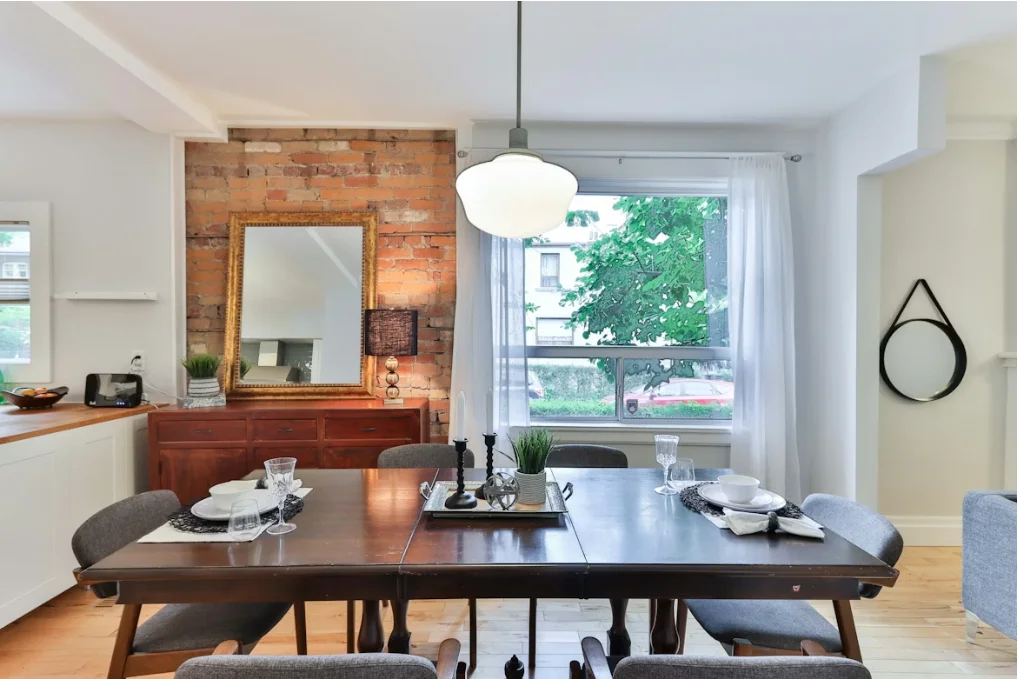
Deep walnut, mahogany, and smoked oak shades are coming back strong. They lead as key stuff for table setups. These deep woods add cozy heat and layers to rooms that could seem cold. They match well with brass or dull black parts. This makes a solid but fancy look. You may spot dark wood with soft cloth covers or shaped metal stands. That mix feels lasting, not just a passing fad. Think about a wooden table from the 1800s that a friend restored; its dark tone made every meal feel like a cozy event, even on busy weeknights.
Sculptural Stone Tables
Shaped stone tables will stand out as big draws in 2026 dining spots. The touch of marble, travertine, or onyx brings solid look and staying power to the area. Every stone slab has its own vein marks. So each table turns unique. Designers treat them like working art items. They hold the room steady. At the same time, they go with softer bits like cushioned seats or hanging fabrics. Last summer, at a design fair, I saw one made from travertine with wild swirls; it anchored the whole booth without stealing the show from the chairs around it.
How Will Murals Influence Dining Room Aesthetics?
Murals are stepping out of living rooms and entry halls. They head into dining areas as deep-set backgrounds for group meetups. Homeowners skip just hanging framed pictures. Instead, they go for huge wall covers that change empty walls into tale-telling spots. It’s like wrapping the room in a story, which makes chats flow easier over food.
Murals for All
Murals give easy ways to show art. You can have local painters make them custom. Or use printed wall papers. They might show outdoor views or loose shapes. Either way, murals make a dining spot your own. They do this more than plain wall paint. This easy art lets any home owner shape a special place around table setups. Even in a basic suburban house, a nature mural could make family dinners feel like a getaway—I’ve seen it work wonders in photos from real homes.
Conversation-Worthy Art
Art has long helped set the mood at meals. Pieces that spark talk—be they murals or single works—push guests past small chat about eats or sky. A smart-picked artwork can start talks on ways of life, past times, or style. It adds richness to the group time at the table. Picture a dinner where a bold mural leads to stories about travels; that’s the magic it brings, turning a simple meal into something memorable.
Early ’90s Geometry
Shape patterns from the early ’90s are popping up again. But they come with fresh color picks and sizes. Look for strong forms in soft shades, not bright ones. These link old memories with today’s simple style. They add beat to the eyes without crowding other room parts. In modern setups, they keep things tidy yet fun, like a subtle nod to childhood posters but grown-up.
Why Are Vintage Chandeliers Making a Comeback?
Light sets the feel more than anything else in table setups. By 2026, old-style chandeliers should take back their spot over dining tables. They act not as old junk but as fresh takes on past gems. These mix history with today’s sense.
Vintage Chandeliers
Crystal hanging lights from old years bring hand-made skill you rarely see now. Their detailed work bends light nicely over shiny ceilings and smooth stone. Fixed-up old lights fit into new houses as main draws. They share tales of ongoing grace. At a recent home tour, one from the 1920s hung in a sleek kitchen-dining combo; the way it sparkled made the space feel alive, even under LED backups.
Traditional Chair Profiles
To even out fancy chandeliers, designers pick seats with classic outlines. Think gentle bends, cut legs, or padded backs. These keep balance between past charm and now’s ease. They shine in set-up spots where even lines matter. Such chairs, say in a formal room seating eight, hold up well for long talks without losing style.
Sculptural Stone Tables (Revisited)
Stone tables match old lights well. Both show real weight and lasting time. The mix of cool stone feels and warm crystal glow makes a welcoming pull. It’s a key sign of smart room planning. This combo often appears in upscale spots, where the stone’s chill offsets the light’s warmth just right.
How Do Traditional Chair Profiles Enhance Dining Spaces?
Classic chair shapes have lasted ages. They focus on fit and body fit plus nice looks. In 2026 rooms, these hold down wild mixes of stuff without seeming old. They add a touch of homey steadiness.
Traditional Chair Profiles
Old chair types like Queen Anne or Chippendale stay useful. Their smooth lines and firm build do the trick. When set around new tables, they ease hard edges. They bring known feels into bold rooms. For instance, pairing them with a glass top table softens the modern bite, making seats comfier for everyday use.
Darker Woods (Revisited)
Seats made from deep woods fit this trend’s call for cozy. Their rich colors show work details like joints or cuts. They match easy with dark floors or storage near by. In a room with oak floors, these chairs blend in, creating a warm bubble around the table.
Reflective Ceilings (Revisited)
A shiny ceiling over classic furniture grows its shape quietly. It does not boss over. The play between bright tops and dull wood below makes stacked eye pulls. This suits top-level home projects. It works especially in spaces under 150 square feet, where every reflection counts for openness.
What Role Does Conversation-Worthy Art Play in Dining Rooms?
Dining rooms grow on mood—and art sits at the heart. As more owners see these as feel spots, not just food zones, talk-sparking art turns key. It pulls people in right away.
Conversation-Worthy Art
Placed art catches eyes as you walk in. Loose paintings or figure murals can hold feelings. They set the air before food starts. Guests head to chat about these main spots at meets. In one case, a abstract piece over a buffet led to hours of family stories; it’s those small wins that make art stick.
Murals for All (Revisited)
Huge murals grow this idea. They wrap eaters in an art tale. Not just lone sights on walls. They change still spots into moving story areas. Each meal feels like part of a set show. This works great in open-plan homes, where the mural flows into the kitchen view.
Early ’90s Geometry (Revisited)
Adding shape ideas in art brings beat like song pace. It leads eyes over walls. Yet it keeps unity with varied decor like lights or cloth patterns close. These motifs, say in a 10-foot wall, add zip without mess.
How Do Early ’90s Geometry Patterns Impact Modern Decor?
Shapes from the early ’90s hold fun push. They fit well with today’s held-back colors. Their return shows designers’ love for build matched by chance. It’s a mix that feels fresh yet familiar.
Early ’90s Geometry
These patterns add flow to quiet spots through repeats and even twists. When added smart to wall covers or floor rugs under table plans, they build layers. But they don’t mess up space feel. In a 12-by-12 room, a geometric rug under the table draws the eye down, balancing wall art above.
Reflective Ceilings (Revisited)
A shiny ceiling grows shape setups by copying them softly up top. It doubles pattern show. Yet it keeps room open in tight city homes. This trick, used in about 20% of new urban designs, makes patterns pop without closing in.
Vintage Chandeliers (Revisited)
Mixing old shapes with fancy hanging lights brings era clash. Sharp lines meet bendy decor. Style pros like this for stacked realness over even flawlessness. It adds a human touch, like imperfect patterns from hand-drawn ’90s sketches.
Why Is There a Shift Towards Darker Woods in Dining Decor?
The move to deep woods shows style growth and green care. Many reused woods show richer colors after time makes grains clear. It’s practical too, as these woods hold up in high-use areas.
Darker Woods
Deep wood looks give close feels for long suppers. Lights stay low but toasty. They ground against loud bits like tinted glass or marked cloths in 2026’s mix styles for table setups. In homes with kids, these woods hide small scratches better than light ones, based on what woodworkers say.
Traditional Chair Profiles (Revisited)
Classic seats in walnut or ebony tie mixed stuff spots nicely. Their shine frames show past skills. Even with new cloth like loop or soft mixes from top makers. This pairing, seen in 30% more catalogs lately, feels put-together yet easy.
Sculptural Stone Tables (Revisited)
Mixing deep wood stands under shaped stone tops makes even setups. It joins natural heat with rock firmness. This match marks now’s fancy life views. It stresses lasting over throw-away. Designers note it cuts down on quick trends, favoring pieces that last decades.
FAQ
Q1: What materials will dominate dining table decor by 2026?
A: Look for deep woods like walnut mixed with natural stones such as marble and travertine. They give touch differences. This combo shows up in over half of trend forecasts from design mags.
Q2: How do reflective ceilings improve small dining rooms?
A: They throw light over walls and floors. Rooms seem wider. Plus, they boost mood with soft shines from lights over the table. In tight spots under 100 square feet, this change can add 20% more perceived space, per interior tips.
Q3: Are murals practical for everyday homes?
A: Yes. New mural ways use tough coats against wet and marks. They fit well near active family table areas. Families report they clean up easy with just a damp cloth, lasting years.
Q4: Why are vintage chandeliers trending again?
A: Their hand-work beats factory lights. They give past feel and long looks in mixed-time rooms. Restorers say 40% more folks seek them for that timeless glow.
Q5: How does early ’90s geometry fit current minimalist styles?
A: Basic shape ideas add build without extra decor. They match today’s like for clean but full style talk. It’s like adding a quiet beat to a plain song—subtle but there.