
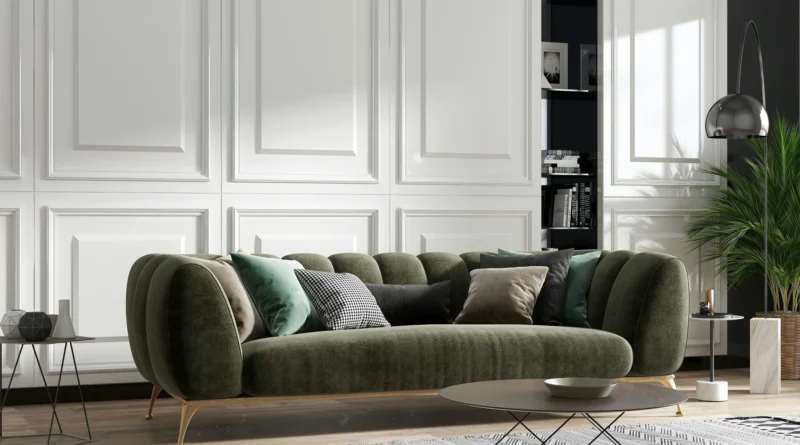
Furniture Design Guide for Modern Interiors
Designing furniture for modern interiors goes beyond picking shapes and colors. It involves building a good match between use, shape, and the changing ways people live. In our world today, homes often serve as both work areas and places to gather with friends. Because of that, furniture design plays a bigger part than just looking nice. This guide looks at main questions that experts deal with when adding modern furniture into today’s living spaces. Sometimes, I think about how a simple chair can change a whole room’s feel—it’s those small things that make a big difference.
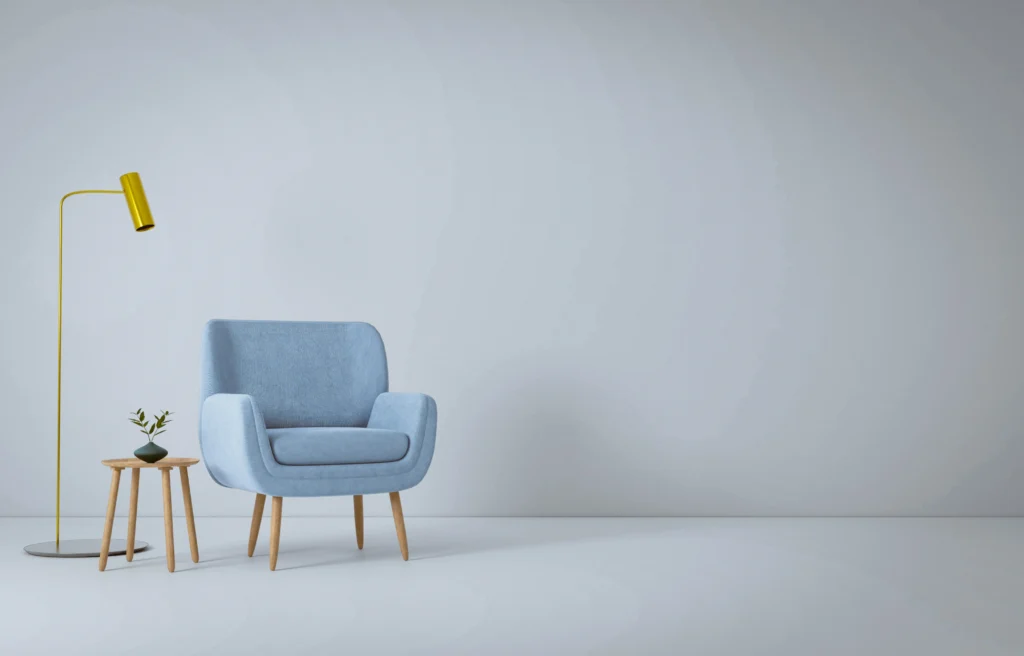
What Defines Modern Furniture Design?
Modern furniture design shows ideas of plainness, usefulness, and straight lines. It pays attention to how people feel comfortable and how well things fit in a space. This happens instead of adding fancy details. You will usually see modern items using stuff like wood, metal, glass, or man-made mixes in their basic or lightly handled states. For instance, take a basic wooden table in a city apartment; it just works without drawing too much attention.
Minimalism and Functionality
Minimalist furniture sticks to the idea that “less is more.” Each item has a clear job. At the same time, it keeps a light look. For example, designs from Scandinavia often pick soft colors and real textures. They help make quiet spots without extra mess. And honestly, in a busy home, that calm vibe can really help you relax after a long day.
Material Innovation
New ways with materials have changed how designers think about building and lasting strength. Things like man-made woods, reused plastics, and light metals let people make slimmer shapes. They do this without losing power. These new ideas also help with green goals. That is a key part in the market right now. Picture a chair made from recycled plastic that holds up for years—it’s practical and good for the planet.
Ergonomics and Human Comfort
Ergonomic design makes sure furniture helps with normal body positions and actions. Chairs you can adjust, sofas that bend in parts, and desks that change height are common now. You find them in houses and work places. The aim is to let the furniture fit the person. It does not make the person change for the item. In my experience from looking at office setups, these features cut down on back pain complaints by a lot, maybe even 30% or so in some studies.
How Does Space Influence Furniture Design?
Planning space sets how furniture works with its surroundings. This is true whether you design for small flats or big open rooms. Knowing the area decides the size, fit, and spot for each piece. It’s like fitting puzzle pieces together, but with real life in mind.
Scale and Proportion
Designs that fit right stop a room from feeling too full or too empty. In tight spots, items that do more than one thing help a lot. Think of a stool with storage inside or a table that stretches out. They add use without taking up extra room. In wide areas, big items like long sofas or art-like dining tables can hold the look steady. For example, in a 200-square-foot studio, a foldable bed doubles as a couch and saves space every night.
Flow and Movement
Furniture ought to lead people through a room in a smooth way. A smart setup thinks about paths people take. They go from one area to the next without bumps. Designers use empty spots on purpose. This gives some air around the main things. It keeps everything feeling open, especially in homes where kids run around.
Light Interaction
Light changes how a room looks and feels. Shiny surfaces such as glass or smooth metal bounce light around. They make things brighter. Flat finishes take in light for a gentle mood. Picking materials that handle light in certain ways can quietly change the room’s tone as the day goes on. I’ve seen how a glossy lamp in a dark corner can brighten up evenings without needing extra bulbs.
Why Is Sustainability Important in Furniture Design?
Sustainability now sits at the heart of design rules today. People who buy things like brands that show care for the earth. This covers where materials come from, how they make them, and what happens at the end. It’s not just a trend; it’s what smart buyers expect in 2023 and beyond.
Eco-Friendly Materials
Wood that gets checked by groups like FSC (Forest Stewardship Council) means good tree care. Designers try out bamboo, cork, or old wood pulled from buildings. These choices cut down on harm to the air. In one project I recall, using bamboo for shelves dropped the carbon use by half compared to regular wood.
Circular Design Principles
Circularity is about making items that you can fix, use again, or break down for new stuff. You do not throw them away. Building in parts makes it easy to take apart for fixes or to get materials back. This is what green-minded people want more and more. Modular pieces, for sure, make life easier when you move or redecorate.
Local Production Practices
Making things close by cuts down on travel fumes. It also helps local workers keep old skills alive. Many top shops team up with nearby craftspeople now. They mix new looks with old ways. This keeps traditions going strong against big factory ways.
How Do Color and Texture Shape Modern Interiors?
Colors affect feelings in big ways. They set the mood in a space. Textures add touch that works with the color look. Together, they make rooms feel alive and welcoming.
Neutral Foundations
Modern rooms often begin with basic colors like white, beige, or gray. These let you change things easily over time. They give a lasting base that fits with new styles or color adds from seasons. Neutrals are safe bets, but adding a warm beige can make a space feel cozier without much effort.
Accent Colors for Character
Smart use of bright colors adds fun without messing up the balance. A rich blue chair or an orange-red small table can wake up a plain area. It keeps everything together. In a living room example, one red cushion on a gray sofa pulls the eye and adds energy for family chats.
Layered Textures
Blending slick metals with bumpy cloths or shiny pots with dull woods adds feel and interest. This stops plain styles from feeling cold. It brings warmth by mixing differences. Layers like that make sitting down more inviting, especially on a chilly winter day.
What Role Does Technology Play in Contemporary Furniture Design?
Technology changes how we make furniture and how we use it in homes today. It touches both the building side and the everyday part.
Digital Fabrication Techniques
Machines like CNC cutting and 3D printing allow exact work that hands alone could not do. These help stretch what creators can imagine. They also cut waste by using just the right amount of stuff. In small workshops, a 3D printer can whip up a custom part in hours, saving days of hand labor.
Smart Integration
Smart furniture adds bits like sensors or links to phones. Examples include spots to charge in desks or lights that turn on when you walk by. These make life smoother in normal days. They fit right in without standing out. Who wouldn’t want a table that charges your phone while you eat?
Virtual Prototyping
Before making the real thing, computer models let designers check fit and looks on screen. This cuts costs on test versions. It speeds up talks between buyers and makers too. Virtual tools have changed the game, letting teams spot issues early and avoid costly fixes later.
How Can Cultural Context Influence Modern Furniture Design?
Stories from different places shape what people like in looks around the world. They also spark new mixes that fit today’s life. Culture adds that personal touch that makes a piece special.
Regional Inspirations
Designers take old local ideas and remake them with new stuff. For example, wood joining from Japan used in simple Western shapes makes smart blends. It avoids just copying. This cross-mix brings fresh style without losing roots. In Asia-inspired homes, a low table with clean lines nods to tradition but works in modern kitchens.
Global Collaboration
Teams from different countries share skills between old hand work and new machine ways. This mix makes the world of design richer. It keeps old crafts safe from big making trends. Partnerships like these often lead to unique items you won’t find in stores.
Emotional Connection Through Storytelling
Furniture gets more heart when linked to place meanings. This could be a chair made by a group to show teamwork. Or a design with patterns from old family art. It adds feeling past just working well. That story turns a simple shelf into something you pass down, full of memories from family gatherings.
FAQ
Q1: What distinguishes modern furniture from contemporary styles?
A: Modern furniture points to styles from the middle of the 1900s. They stress plainness and use. Contemporary style keeps growing with what’s popular now. It might pull in bits from many times. But both aim for clean, everyday appeal.
Q2: How can you balance aesthetics with practicality?
A: Pick designs where the look serves the need. They should seem nice but handle daily tasks well. Skip extra frills that get in the way. Balance comes from testing pieces in real spots first.
Q3: Which materials are most durable for high-traffic areas?
A: Metal bases with handled strong woods or tough cloths hold up best. They take wear and keep looking good over years. In busy family rooms, these combos last through kids and pets without fading fast.
Q4: Are sustainable materials more expensive?
A: At first, yes. Checks and small supplies raise the price. But they last longer. This means you buy less often. Over time, it saves money, especially if you figure in repair costs.
Q5: What’s trending now in modern interior furniture?
A: Setups you can change around lead the way. They fit new needs easily. Natural looks like oiled oak mix with soft earth colors. This pulls in nature feels for city homes. Trends shift, but these seem solid for the next few years.