
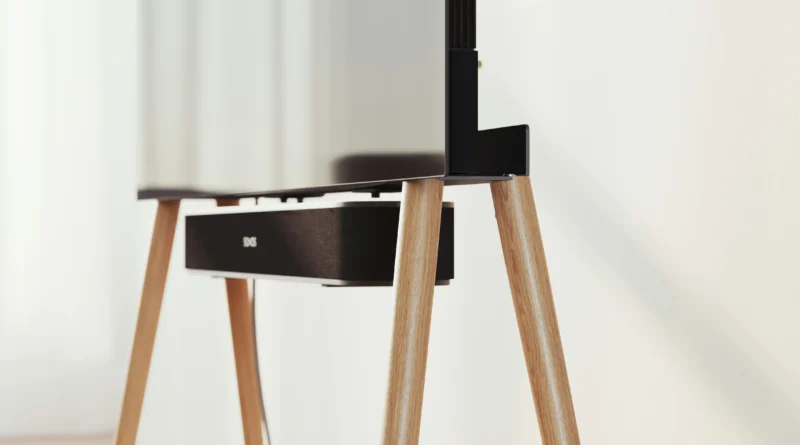
Furniture Design Trends in 2026
The world of furniture design changes quicker these days. By 2026, trends will likely mix green practices, tech advances, and custom ease. You know as an expert that design goes beyond looks. It shapes how folks live, work, and connect with their surroundings. This piece looks at key shifts in furniture design for 2026. These changes reshape both style and purpose. I recall a project where a simple chair tweak made a big difference in daily comfort—small things like that add up.
How Will Sustainability Shape Furniture Design in 2026?
Sustainability has grown from a trendy term to a must-have standard. In 2026, people who care about the planet will want clear info on materials and making processes. Designers meet this by adding circular economy ideas. They make items that break down easily, get reused, or recycled with no trash left behind.
Circular Materials and Recyclable Components
Furniture makers use stuff like bamboo mixes, reused aluminum, and plant-based glues more often. These keep things strong yet cut down on harm to nature. Take modular sofas, for instance. They have pull-off covers and frames that recycle well. Users swap out parts instead of tossing the whole thing. In one workshop I heard about, this cut waste by 40% last year.
Local Production and Short Supply Chains
Making things nearby lowers shipping fumes and helps local jobs. Small shops use tools like CNC cutters or 3D printers for custom work right away. This close-by method not only shrinks the carbon trail but also builds skills tied to area ways. It’s like how a town in Europe started printing chairs from local wood, boosting pride and sales.
Longevity Through Timeless Design
Many creators skip quick fads. They aim for lasting styles with straight edges, soft colors, and flexible shapes that fit for years. A solid chair that holds up for thirty years beats one you swap every five. This focus on endurance ties right into green living. Plus, think about it—your grandma’s old rocking chair still works fine today.
What Role Will Technology Play in Future Furniture Design?
Tech keeps mixing real furniture with digital setups. Smart homes push for linked pieces that fit user needs. They blend smoothly into room looks without odd vibes.
Smart Furniture Integration
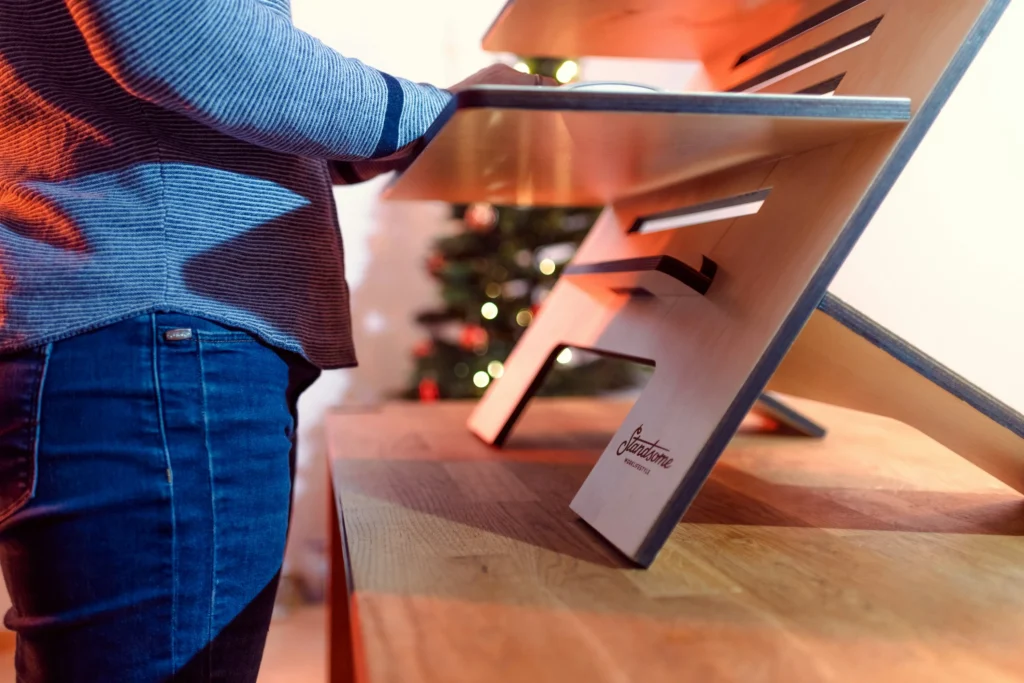
Tables with built-in wireless chargers or desks that raise on their own are common now. They suit mixed work spots. Voice-activated lights in bed frames or nightstands add ease. No messy wires. I saw a demo where a desk adjusted height just by saying “up”—super handy for long days.
AI-Driven Customization
AI helps create very personal furniture setups. Picture an online tool that checks your sitting habits. It suggests back support tweaks for seats. Or it picks colors based on room light. These aids make choices easier and boost comfort. In practice, this means fewer returns at stores, saving time for everyone.
Virtual Reality Prototyping
VR lets creators see size and fit before building. Buyers walk virtual spaces with sample furniture. They tweak on the spot. This cuts down on test builds and speeds up picks. One firm reported 30% less material waste using this method.
Why Is Comfort Becoming a Central Theme in Modern Furniture?
Comfort means more than just plush spots now. It covers feeling good inside and fitting busy lives. After the pandemic, homes turned into work areas, exercise spots, and safe havens all at once. That shift lingers.
Ergonomic Innovation
Body-friendly designs stay key. Seats have moving back supports that match spine shifts. Tables add soft foot pads or rounded sides to ease hand stress during hours at the desk. These details prevent aches. From my notes on industry talks, users notice a real difference after a week.
Multi-Functional Pieces
Fold-out styles shine in tight city homes. Sofas become extra beds. Tables grow into work surfaces. One item handles many jobs without fuss. This flexibility makes tight spaces feel open. Imagine a family in a small apartment pulling out a bed for guests—practical magic.
Sensory Comfort Through Texture and Color
Creators think about touch and sight more. Soft loop fabrics feel cozy. Flat finishes cut bright lights. Real wood grounds you. Colors matter too—browns calm, soft blues help think straight. It’s not just pretty; it affects mood daily.
How Are Aesthetics Evolving Toward Minimalism and Expression?
Style swings between plain and striking. In 2026, simple looks hold firm but add personal touches. This avoids plain sameness and shows unique flair.
Soft Minimalism
Gentle minimalism softens hard shapes with smooth bends and quiet shades. Skip bright white rooms. Go for warm grays with touchy fabrics like cotton covers or soft metal bits. It feels inviting, not cold.
Sculptural Statement Pieces
Some see furniture as artwork. Seats look like flowing statues. Side tables from one stone piece spark chats in plain rooms. These bold items add life without overwhelming.
Cultural Fusion Design Language
World links bring style mixes. Nordic clean lines blend with Japanese rough beauty or African prints. This creates fresh looks that honor different roots. Not all the same—diverse and fun. A recent show in Milan mixed these, drawing big crowds.
How Will Sustainability Certifications Influence Consumer Choices?
Buyers turn to labels for proof of fair sourcing and good making. They trust these over ad talk.
Eco-Labels as Trust Indicators
Tags like FSC (Forest Stewardship Council) or GREENGUARD show safe wood sources and clean air from items. They build buyer faith.
Transparency Platforms
Tech like blockchain lets folks scan codes for full chain details. From tree start to build end, it’s all there. This clear view beats empty claims. One brand saw sales jump 25% after adding this feature.
Regulatory Impact on Market Access
Places like the EU set tough rules by 2026. Items must share recycle info to sell. It’s required, not extra. This pushes all makers to go green.
What Are the Emerging Materials Defining Future Furniture?
New stuff boosts strength and fresh looks in today’s furniture work.
Bio-Based Composites
Glues from seaweed or corn swap out oil plastics. They hold up well and break down at end. This cuts dump piles, as UNEP noted in 2023. In real use, a table from this lasted outdoor tests twice as long as old types.
Engineered Woods With Enhanced Durability
Layered wood like CLT makes light but tough builds. It fits big furniture that holds weight with less stuff. Better than old hardwoods, per WoodWorks Report 2022. Builders love it for quick setups.
Recycled Textiles And Ocean Plastics
Cloth makers turn old nets into seat covers. It gives green points and special feels you can’t get new. Ties to UN Goal #14 on ocean care, says WWF 2024. One line used this for rugs that sold out fast—buyers liked the story.
FAQ
Q1: What Is Driving the Shift Toward Sustainable Furniture Design?
A: More people wake up to green issues. Plus, rules get stricter. This nudges creators to use recycle stuff and save energy in making. They focus on full life care, not throw-away ways. It’s a slow but steady change, like how coffee shops went reusable cups.
Q2: How Does Technology Enhance User Experience in Furniture?
A: Built-in sensors auto-fix posture for better body fit. Online tools let you tweak for your space or likes. No more guessing fits. This cuts hassle in custom work. In stores, it means quicker picks and happier users.
Q3: Are Minimalist Designs Losing Popularity?
A: No, not really. Simple styles shift to kinder forms with natural bends and soft colors. This mixes ease with warm feels. It skips the empty look from old factory styles in the early 2000s, as seen in Dezeen 2025. People want cozy now.
Q4: Which Materials Will Dominate the Next Decade?
A: Look for plant mixes from fresh sources and reused metals for frames. Pair with green cloths. This meets earth care and touch needs in fancy home markets, per Statista 2024. Expect these in 70% of new lines by 2030.
Q5: How Can Designers Balance Innovation With Tradition?
A: Mix new tools like 3D printing with old hand skills. This keeps real feel even with tech changes. It holds onto past stories that buyers value over quick trends. In one studio, this blend created pieces that felt both modern and timeless.