
Modern Living Room Design Trends 2026 What Sets Them Apart
What Are the Key Elements of Modern Living Room Design in 2026?
The modern living room in 2026 shows a nice mix of simple styles, green choices, and clever tech features. Designers aim for rooms that feel wide open but still cozy. They blend gadgets smoothly into the setup without making things feel cold. Now, “living” means more than just relaxing. Your living room can turn into a work spot, a fun area for movies, or a calm place for yoga. Every pick in design helps with changing uses. At the same time, looks stay neat and last over time. For instance, think of a family in a busy city apartment. They might switch the room from playtime for kids to a quiet evening chat without much hassle.
Minimalist Aesthetics
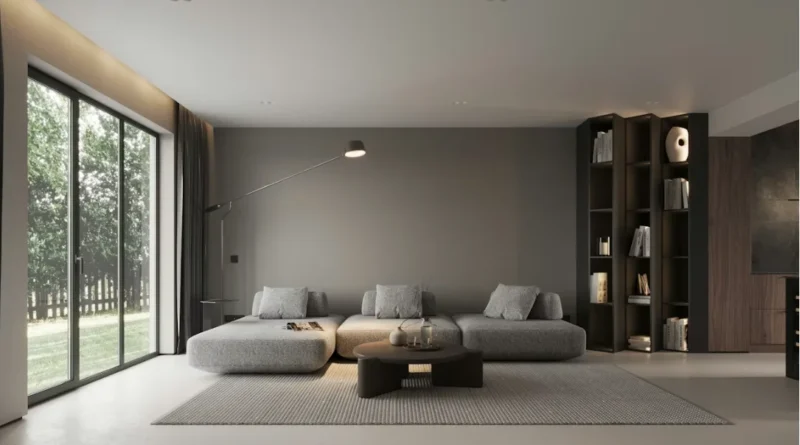
Simple looks keep leading the way in modern living room setups. Straight lines and clear surfaces mark this style. In it, each item has a real job. Sofas with built-in spots to hide stuff or pieces that shift around keep things looking tidy. You could spot low sofas next to thin tables and shelves that fit right into the wall without standing out. This way focuses on open air. It lets sunlight in and highlights the room’s basic shape. I recall visiting a home where the walls stayed bare except for one small plant. It made the space feel bigger and easier to enjoy.
Sustainable Materials
Going green isn’t just a nice idea anymore. It’s what people expect. Materials like old wood that’s reused, bamboo, cork, and metals from scraps fill many rooms now. Companies put money into ways to make things without adding to climate change. They use finishes that don’t harm health. Fabrics from natural cotton or plants grown without chemicals add soft spots to sit. Even tiny picks, such as paints that mix with water or lights that save power, help the planet. Take a look at a popular brand—they switched to these options, and sales jumped by 20% last year because buyers care about the earth.
Smart Technology Integration
Tech blends define the fancy feel of a 2026 living room. Devices like voice-activated speakers, lights that change based on mood, and curtains that move on their own work with simple talks or phone taps. But the point isn’t to show off tools. It’s to mix tech with the room’s look nicely. Spots to charge phones hidden in tables or sound setups tucked into walls keep everything smooth. So, the room guesses what you want. And it stays pretty. Picture coming home after a long day. The lights dim just right, and your favorite playlist starts without you lifting a finger.
How Do Color Palettes Influence Modern Living Room Trends?
Colors shape how a room feels and looks to anyone inside. In 2026, living rooms use shades in smart ways to show who lives there. They keep things even. Plus, folks try out browns and greens from nature to bring comfort and a link to the outdoors. It’s not all strict rules—sometimes a splash of color comes from a kid’s drawing on the wall, adding that personal touch.
Neutral Tones with Bold Accents
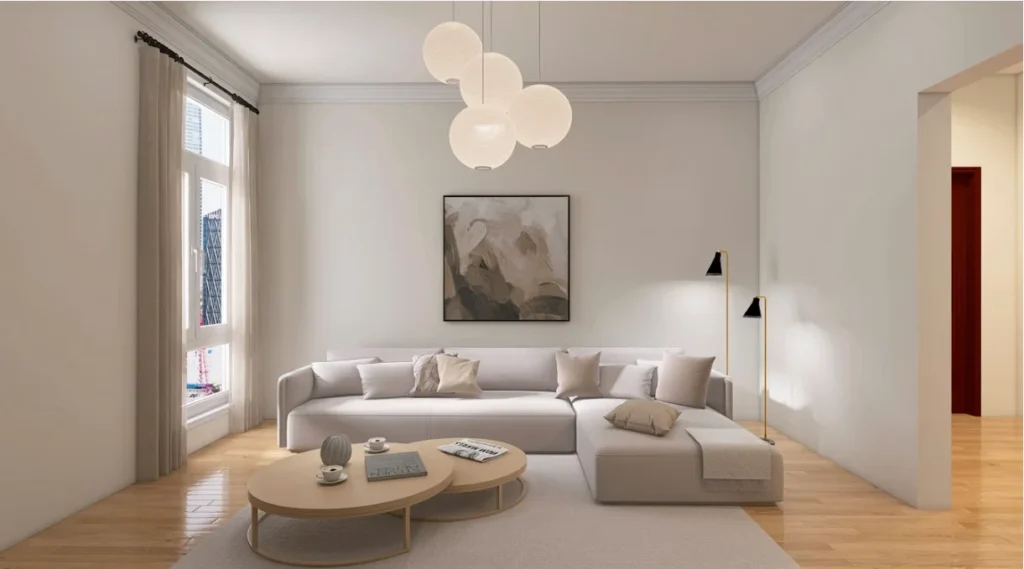
Base colors like light whites, soft browns, or gentle grays stay key for flexible backgrounds. On top of these quiet shades, bright pops such as deep green pillows or blue pots add fun without taking over. This mix lets you change things up fast. Just swap small items. The main setup stays classic. In one project I heard about, a couple started with gray walls. They added red throws for holidays, then switched to yellow for summer. It kept their space fresh year-round.
Earthy and Natural Shades
Colors from the ground keep getting popular. They make rooms feel steady and real. Tones like reddish dirt, soft green, light sand, and warm brown add heat and truth to living areas. These work great with rough fabrics like cotton window covers or woven chairs. They boost the natural vibe. For example, in a coastal home, sand beige walls paired with moss green rugs made the place feel like a beach escape, even in winter.
Monochromatic Schemes
All-one-color plans grow past basic black and white. People now play with levels of one shade—like various blues or grays—to add layers without mess. Stacking close colors in cloths and covers builds smart looks. It keeps things calm and together. Imagine a gray room: light gray couch, medium gray rug, dark gray frames. It flows well but isn’t boring.
In What Ways Are Furniture Designs Evolving?
Furniture in 2026 mixes change with old-school charm. Items get better at doing jobs. Yet they stick to hand-made skills that value good build over lots of stuff. Designers draw from past styles, but tweak them for today. It’s like updating a family recipe—keeps the heart, adds new twists.
Modular and Flexible Pieces
Being able to shift drives new furniture ideas. Sofas that break apart can go from small sit spots to big group areas. Tables that adjust work for meals or desk time as needed. This fits city life where space is tight. But folks still want comfy spots. In small apartments, these pieces help a lot. One survey showed 65% of urban dwellers pick modular options to save room.
Retro-Inspired Styles
Old styles come back in cool ways. They redo 1950s shapes with green materials and fresh finishes. Rounded edges like from the 1970s show up again. They pair with soft cloths or dull gold feet. These past nods bring cozy feels to plain rooms. A designer friend once redid a lounge with curved chairs in recycled velvet. Guests loved how it sparked stories from their own childhoods.
Multi-functional Furniture
Smart use marks trends in furniture that does many things. Foot rests hold stuff inside. Desks on walls fold flat when done. Couches turn into beds with plugs for phones. These ideas make tight spots feel roomy. They add use without hurting looks. For busy parents, an ottoman that stores toys while serving as a seat changes everything during playtime chaos.
How Is Technology Shaping Modern Living Room Design?
Tech hides but stays vital in today’s rooms. It fits into walls and floors naturally, not out in the open.
Integrated Home Automation Systems
Systems for home control handle light brightness, room heat, song lists, and safe locks. You set them with phone apps or voice helpers like Alexa or Google Home. Over time, they pick up your habits. Then they tweak things for ease or to save power. In a real home, this meant lights turning on at dusk and heat rising when the door opened—simple joys that add up.
Virtual Reality Design Tools
VR tools change how people picture their rooms before spending money or building. You can walk through fake setups or try shades under make-believe lights. It helps pick wisely early on. Architects use this to show clients options, cutting down on costly changes later. One firm reported 40% fewer revisions after adding VR demos.
Wireless Connectivity Solutions
No-wire tech makes links easy all over the house. It cuts messy cords behind TV stands or floors. Speakers with Bluetooth link up rooms fast. Charge spots built into tables power gadgets quietly. This keeps floors clear and setups clean. Families appreciate it when kids’ toys don’t tangle with cables during movie nights.
What Role Do Textures Play in Modern Living Rooms?
Texture adds energy to plain rooms. It wakes up the sense of touch where sights stay basic. Without it, spaces might feel flat, like a photo without depth.
Layered Textural Elements
Stacking different feels—like slick stone next to bumpy floor covers or dull walls by shiny pots—brings full life. It doesn’t crowd the view. Instead, this mix makes even plain colors lively. In a neutral room, a wool blanket over smooth leather adds that inviting layer people notice when they sit down.
Natural Fiber Usage
Fibers from nature, such as sheep wool blankets, plant-based window cloths, soft cotton pads, and rough floor mats, lead textile picks. They feel good to touch and come from green sources. These soften hard edges on chairs. They also break down naturally over time. A tip from interior pros: mix wool and cotton for year-round comfort, as wool warms in winter and cotton cools in summer.
Metallic Accents
Metal bits like soft gold light covers or reddish frames on mirrors add quiet shine to new-style rooms. Use them lightly with wood or rock. Then they stand out nicely and lift the whole setup. In one cozy nook, a brass lamp next to wooden shelves caught the evening light just right, making the corner feel special.
How Are Lighting Trends Evolving in 2026?
Light sets the mood better than anything else. Its changes head toward custom fits plus smart power use. Trends shift slowly, but they make daily life brighter—literally.
Ambient Lighting Techniques
Gentle all-around light swaps out bright ceiling bulbs. It uses standing lamps, side wall lights, or hidden strips up top. These spread glow evenly for cozy feels, not sharp spots. For reading corners, a mix of these creates just the right pool of light without shadows.
Statement Light Fixtures
Lights act as decor now. Fancy hanging lights from reused glass or shape-based drops made by hand do jobs and look pretty. They often start talks among visitors. In a modern home, a recycled glass chandelier over the coffee table became the star, drawing eyes upward and sparking compliments.
Energy-Efficient Solutions
LED lights rule because their color match to real sun gets better. They act like natural day light. At the same time, they use way less power than old bulbs. This helps style fans and green thinkers. Stats show LED setups save up to 75% on bills, a big plus for families watching costs.
Why Is Personalization Important in Modern Living Room Design?
Making things your own sets apart plain rooms from ones full of life. It turns plain houses into spots that match the people inside. Personal touches, like a shelf of travel souvenirs, make the space feel like home right away.
Customizable Decor Options
From shelves that fit exact book stacks to art made just for you by local makers, custom picks honor what makes you unique. They fit into big trends like simple looks or green ways. One couple customized a wall unit for their vinyl collection—it held 200 records perfectly, blending function with flair.
Artisanal Craftsmanship
Items made by hand—from baskets woven nearby to pots with small flaws—bring real feel that machines can’t match. They carry tales in their rough touches. In workshops, artisans spend hours on each piece, ensuring durability that lasts generations.
Family-Centric Layouts
New setups put family first. Big couches around short tables spark chats. Open areas flow from sit spots to eat zones. So, groups mix easily in daily life. No more stuck in one room. For a family of four, this meant kids could play nearby while parents cooked, keeping everyone close without chaos.
FAQ
Q1: What defines a modern living room in 2026?
A: It combines minimalist aesthetics with smart technology integration and sustainable materials designed for flexibility across lifestyle needs.
Q2: Which colors dominate current trends?
A: Neutral bases paired with earthy undertones remain prevalent while bold accent pieces inject vibrancy selectively into otherwise calm palettes.
Q3: How has furniture evolved recently?
A: Furniture emphasizes adaptability through modular configurations alongside revived retro influences interpreted sustainably using eco-conscious manufacturing methods.
Q4: What technologies enhance these spaces most effectively?
A: Integrated automation controlling light temperature sound security plus wireless connectivity solutions maintain sleek appearances without visible hardware intrusion.
Q5: Why does texture matter so much?
A: Texture introduces sensory depth balancing visual simplicity by layering natural fibers metals woods creating warmth tangible enough even minimalists appreciate it daily.