
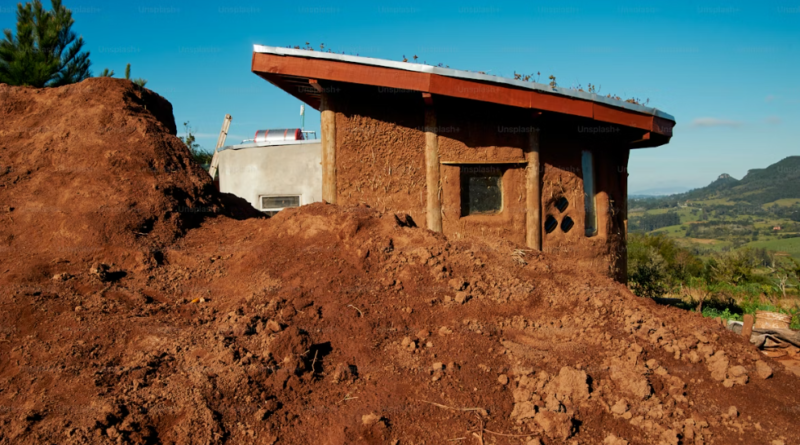
Are Eco Architecture Homes Redefining The Future Of Passive Design In 2026
How Are Eco Architecture Homes Transforming Passive Design Principles in 2026?
The talk about eco architecture homes in 2026 has moved away from just saving energy. It now focuses on smart ways to react to the surroundings. These buildings do not depend only on solar panels or machines. They use passive intelligence instead. This blends clever materials, data checks, and flexible layouts. It makes spaces that adjust on their own to what is around them. For example, in a busy city like Singapore, such homes might tweak their walls to block out afternoon heat without anyone flipping a switch.
Integration of Passive Intelligence into Building Systems
Passive intelligence adds digital smarts right into the building’s body. Clever materials and changing outer walls can shift their shade, shine, or warmth as the sun and heat change during the day. Built-in sensors gather fresh info on dampness, who is inside, and air freshness. They send this to control setups that tweak airflow and lights just right. Tools that model data keep improving how the building works. They match what was expected with what really happens. This sets up a cycle where the home picks up on its own habits. It is like a living thing getting used to its spot. In practice, think of a family in a rainy area where sensors spot rising moisture and open vents automatically, keeping things dry without extra effort.

Shift from Mechanical Efficiency to Environmental Synergy
Eco architecture homes are growing past just mechanical savings. They aim for a better match with nature. These designs do not fight local weather with big air systems. They team up with natural flows. Open yards pull in winds for fresh air. Plans for natural light cut down on fake lights. Walls with stored heat keep inside temps steady without steady power use. The shape of the building helps keep comfort. Roofs bend to catch wind or push away heat. Outer walls open with movable slats that change with the weather. Sometimes, this means a home in a windy coastal town uses its curves to stay cool in summer and warm in winter, saving on bills by about 30% according to recent studies from building experts.
Redefinition of Sustainability Metrics in Architecture
Old ways to measure green building looked only at energy saved while running. In 2026, the goals cover how well a building can change over time and bounce back from issues. Builders check if a structure can add new tech or handle shifting weather easily. Being carbon neutral now counts the gases from making materials. It also looks at running costs over many years. Passive intelligence is a key part of green labels. It shows not just low use but ongoing care for the environment built into the core plan.
Why Is the Concept of “Effortless” Eco Architecture Gaining Momentum?
The idea of easy green living draws people in. It cuts out the hassle between folks and their space. In a time when tech can feel too much, these homes offer quiet help. They handle things on their own and boost daily comfort. I recall reading about a project in Europe where residents barely notice the systems working, yet their energy use dropped sharply.
The Pursuit of Low-Maintenance Sustainability
Designs that need little upkeep sit at the heart of this change. Buildings now fix their own heat and light without people doing much. Stuff like concrete that mends itself or coatings that clean in light last longer. They cut down on fix-up costs and thrown-away items. Auto systems handle air and ease through the year. This gives steady comfort without needing know-how from those inside.
The Influence of Behavioral Minimalism on Architectural Design
The way people act with less fuss shapes these spaces. Many like spots that clear the mind with simple setups, not loads of gadgets. Layouts make moving easy on instinct. Sunlight marks the paths to walk. Materials you can touch guide steps. Calm areas mix with lively ones. This leads to designs centered on people. They match mind ease with green work. For instance, in a small apartment block, paths lit by windows help kids find their rooms without signs, making life smoother.
The Role of AI and Machine Learning in Passive Optimization
AI brings extra smarts by guessing what people need ahead. Learning programs study daily ways – like when rooms get used or how heat shifts. Then they change systems before issues pop up. As time goes, they get better at saving power on their own. Linking to city power nets lets homes share info on needs and storage. This turns areas into team efforts, not lone spots.
How Are Material Innovations Driving the Next Generation of Eco Architecture Homes?
New materials are changing what these homes can do in form and look. From plant-based mixes to tiny-tech insulators, each step pushes buildings to heal the earth, not just hold steady. In one case from a U.S. firm, a home using these cut its build waste by half, proving real-world gains.
Emergence of Bio-Based and Regenerative Materials
Plant-based items like mushroom mixes or hemp blocks are becoming common. They come from fresh sources and trap carbon. These do more than cut harm. They clean inside air by pulling in bad stuff or balancing wet levels naturally. Supply lines that give back help loops where taking stuff helps nature, not hurts it.
Development of Responsive and Adaptive Building Envelopes
Outer layers now act like living skins, not fixed walls. Materials that change phase hold extra heat by day and let it out at night. This keeps inside steady without work. Walls with tiny tech can turn clear or mirror-like based on sun strength. It is a step up from old shade tools.
Circular Design Principles in Material Lifecycle Management
Loops guide how stuff flows through a building’s years. Parts that snap together let easy take-apart for reuse in fixes or moves. Digital tags track where materials come from, what they are, and how to recycle. This helps later builders know how to use each bit again. Build ways that close the loop cut waste from beginning to end.
In What Ways Are Urban Contexts Shaping the Adoption of Passive Eco Homes?
City settings help push these homes from test models to everyday builds. Urban spots with tight space often lead the way, like in Tokyo where small lots force clever designs.
Integration with Smart City Infrastructure Networks
Cities tie these homes into big smart setups. Buildings talk straight to area energy lines. Shared facts let blocks plan heat or green power together. They do not fight for supplies alone. Small local grids make spots tougher against power cuts. Homes can share juice with neighbors in tough times.
Adaptation to Diverse Climatic and Cultural Conditions
One plan does not suit all places. Fitting to local ways is vital. In wet hot areas, big roofs shield from heavy rains. Cross air flows keep things fresh without coolers. In dry lands, thick dirt walls handle day-night heat changes well. Local stories shape picks too. In sunny spots like Greece, yards focus on group time under soft light. In cold north like Sweden, plans stress warmth in long dark months.
Policy Frameworks Encouraging Passive Design Implementation
Governments around the world back this with money perks. Tax breaks come for low-power builds. Grants help study changing materials. New rules stress passive goals like natural light use over machine scores. This matches laws to green aims. Top green badges need proof of passive smarts built in.
How Does Human Experience Influence the Evolution of Passive Eco Architecture?
Tech sparks new ideas, but how people feel decides if it works in these homes. Real stories from users often highlight small joys, like waking to perfect light without trying.
Sensory Comfort as a Core Design Parameter
Builders see feel-good senses as a main goal, not an add-on. Heat balance comes from room setups. Shaded yards cut hot air in. Tall roofs let air rise naturally. Sound-soak stuff keeps peace near loud roads. Soft shifts in light, dark, and wind bring calm feelings that machines seldom match.
Cognitive Ergonomics in Intelligent Space Design
Mind-friendly setups make smart areas match human rhythms. They avoid tech buzz that tires. Lights change slow to fit body clocks. Smart controls guess needs without sudden shifts that wear you out. Feedback from users helps set likes over time. This way, people feel helped, not bossed by machines.
Emotional Sustainability Through Architectural Authenticity
Heart-felt green comes from realness. True stuff like raw wood or soft plaster wears well without fake covers. When a place feels true, folks bond and care longer. This cuts throw-away habits. Such ties make buildings last through good upkeep, not just rules.
What Economic Factors Are Influencing the Growth of Eco Architecture Homes?
Money sides now back passive smarts. They mix low running costs with strong build value. This appeals to those investing in unsure weather times. Market reports show a 25% rise in demand for such properties last year alone.
Cost Efficiency Through Energy Autonomy
Self-power plans cut ties to shaky power prices. They make or save most juice inside with built-in green sources and good shells. In the long run, lower tabs pay back start costs. They shield from price jumps ahead.
Market Demand for Future-Proof Real Estate Assets
Buyers weigh how well a spot can change, not just looks or spot. A home that learns ways or shifts rooms by tech gets higher price. It seems to last and cut risks with stricter green rules coming.
Financial Incentives Accelerating Sustainable Construction
Green money tools like loans tied to green goals give lower rates for hitting passive marks. Insurance costs drop for tough traits like water hold or bend in hot spells. Team-ups between public and private keep funding test builds. They show ways for cheap smart green homes everywhere.
Could 2026 Mark a Paradigm Shift Toward Autonomous Eco Architecture Ecosystems?
In 2026, mixing digital models and earth smarts points to big change. It suggests systems where buildings grow on their own, not stay fixed. Experts predict this could cover 40% of new builds by decade’s end, based on current trends.
Convergence of Digital Twins and Environmental Intelligence
Digital twins copy real buildings online, live with sensor feeds. They track who is there or weather bit by bit. This spots fix needs early. It tunes running plans based on true feedback from whole groups of buildings.
Collaboration Between Architects, Engineers, and Data Scientists
Team work across fields changes job lines. Builders form the space sense. Tech folks turn nature ideas into working parts. Data pros read people data to guide smart rules in plan and after-move stages.
Vision for Scalable Global Implementation
Growing big needs open share of know-how. It fits all money levels. City packs use snap-together smart units. Country spots take simple plant-based ways with local dirt or plants. Yet they follow same passive rules under world carbon goals.
FAQ
Q1: What distinguishes eco architecture homes from conventional green buildings?
A: Eco architecture homes integrate passive intelligence directly into their structure so they adapt autonomously rather than relying solely on external renewable systems like solar panels.
Q2: How do smart materials contribute to passive design?
A: Smart materials modify thermal resistance or transparency automatically based on environmental cues such as sunlight angle or humidity levels without manual adjustment needed by occupants.
Q3: Why is AI important for future sustainable housing?
A: AI predicts behavioral patterns inside buildings allowing proactive climate control adjustments reducing wasted energy while maintaining consistent comfort levels year-round.
Q4: What role does emotional connection play in sustainable living?
A: When users feel emotionally attached through authentic design choices they maintain properties longer decreasing demolition waste thereby supporting true sustainability beyond metrics alone.
Q5: Are governments supporting this architectural transition?
A: Many nations now provide tax incentives updated codes emphasizing passive performance plus grants encouraging experimentation within adaptive material research fields promoting large-scale adoption globally.