
How Sustainable Building Design Principles Will Redefine Architecture in 2026
How Will Sustainable Building Design Shape Architectural Trends in 2026?
The coming years will put even more attention on clear measures of sustainability. Architects, engineers, and developers are going past just looks to adopt basic ideas in sustainable building design that link results straight to nature’s health. By 2026, architecture won’t split style from purpose anymore. Every choice in design will help both the planet and local ways of life. Think about a city office tower where the walls not only look sharp but also pull in sunlight to cut power bills— that’s the kind of practical beauty we’ll see more of.
Integration of Environmental Performance Metrics
Data is taking a main role in choices for architecture now. You’ll notice digital tools for modeling that check energy savings, carbon marks, and full-life emissions right before building starts. These metrics for the environment will fit right into the daily design steps. So, sustainability turns into a clear goal you can count, not something tacked on later. Designers will use software that guesses things like warmth inside, natural light, and how much energy a space needs. This move to designs backed by facts means buildings get rated by their numbers as much as by how they look. For instance, in a school project, teams might run simulations to see if big windows keep kids comfy without cranking up the heat all winter.
Evolution of Material Innovation and Circular Design
Changes in materials are speeding up quickly. Look for fresh mixes that offer good strength along with easy recycling and small carbon from making them. Ideas in circular design, such as planning for easy take-apart or reusing main parts, will change how materials move in the market. In real work, this might show up as outer walls from old aluminum or filling for warmth from farm leftovers. The outcome is buildings that cut down trash and keep stuff useful over and over. I’ve seen projects where old factory beams get a new life in homes, saving money and the earth at the same time.
Influence on Aesthetic and Functional Design Language
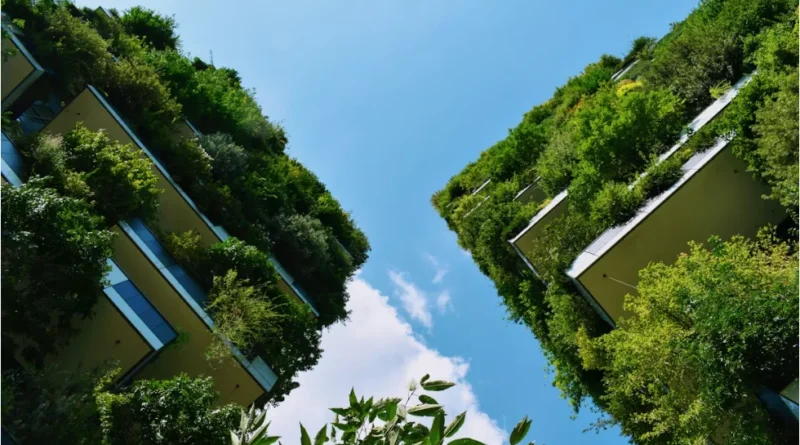
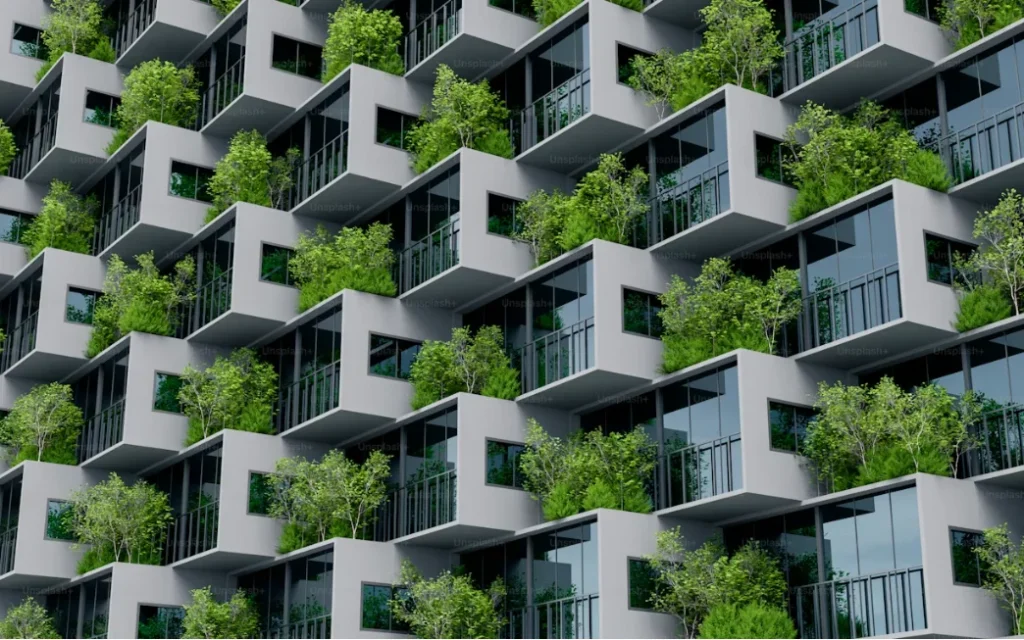
Sustainability is slowly changing how buildings express themselves. Things like air pipes for fresh breeze, sun-facing walls, and plant-covered tops aren’t tucked away now. They become clear parts of what makes a building special. This mix of nature’s work with area traditions leads to fresh styles. In these, good looks come from how well it works and fits the place, not from extra decorations. Picture a park pavilion where the roof plants not only cool the air but also blend with the nearby woods—it’s simple yet striking.
What Role Will Energy Efficiency Play in Future Architectural Practices?
Keeping energy use low will stay as the key support for ideas in sustainable building design by 2026. With energy prices jumping around the world and rules on climate getting tougher, architects have to plan structures that use less power but still feel nice inside.
Passive Design Strategies for Climate Responsiveness
Basic ways to handle climate—like pointing the building right, adding shades, and letting air flow naturally—will turn into main parts of planning from the start. For example, facing windows to catch main winds can drop cooling needs by as much as 30%. Shade setups made for the area’s location can block extra sun heat without losing good light during the day. These steps tie buildings closer to their weather. They work with it instead of against it. In hot spots like parts of Texas, this means less air conditioning and more open windows on mild days.
Smart Energy Management Systems
Systems that manage energy in buildings are growing past basic controls. Sensors that watch heat, how many people are there, and light levels work in real time. Buildings can pick up on what users do and change power use as needed. Platforms run by AI will adjust heating and cooling bit by bit each hour. They keep things just right and cut extra use. Take an office where the system notices fewer folks after lunch and turns down the fans—small tweaks add up big over a year.
Integration of Renewable Energy Sources
Adding in power from nature is turning smooth, not just an add-on. Panels that catch sun are now built into walls. Small wind fans suit city roofs well. Ground heat systems quietly cool big places. By putting power-making right into the building, spots get nearer to using no net energy. In a sunny town like Phoenix, these setups might cover half the bills from the start.
How Will Water Conservation Principles Transform Building Design?
Shortages of water are making architects rethink how they handle supply and reuse. Ideas in sustainable building design now reach past power into caring for water.
Implementation of Closed-Loop Water Systems
Systems that loop water closed grab used water from sinks or baths for things like toilet flushes or watering plants. Tanks that collect rain feed yard care or cooling setups. They lessen need from city pipes. This builds strength against dry spells and drops daily costs. During a dry summer in California, such a setup kept a hotel’s gardens green without extra taps.
Landscape Integration for Stormwater Management
Work on outside areas matters a lot here. Roofs with plants soak up rain and give homes to bees. Paths that let water through make runoff sink into the ground. This stops big floods in drains. It also betters the air around the building. In rainy cities like Seattle, these features turn parking lots into sponge-like zones that ease street floods.
Advanced Plumbing Technologies for Efficiency
Today’s pipe tools mix smart building with ease for users. Taps with sensors stop waste in shared spots. Toilets with two flush options change water amount on their own. Shower heads that use less flow keep good pressure by mixing in air. All these cut use a lot without hurting how it feels. A busy mall might save thousands of gallons yearly just from these simple changes.
In What Ways Will Material Selection Influence Sustainable Architecture?
Picks for materials set both harm to nature and health for people over the whole time a building lasts.
Adoption of Bio-Based and Locally Sourced Materials
Materials from living things, like wood mixes, bamboo sheets, or blocks from hemp, are catching on. They renew easily and hold carbon away. Picking stuff from nearby also trims travel fumes and helps local jobs. It’s good for nature and area strength. In rural spots, using nearby stone cuts truck trips and builds community ties.
Life Cycle Assessment as a Design Tool
Tools for checking full life impacts let planners weigh effects from digging up to throwing out. By looking at carbon from making early on, groups pick items that last well and care for the earth. This step often spots surprises, like how a shiny new paint might pollute more than an old plain one.
Modular Construction for Reduced Waste
Building in parts off-site is changing project delivery. It cuts mess at the site by making standard pieces in safe spots. Plus, it lets changes later—parts can swap or reuse instead of tear down. A factory in Europe used this to build homes 40% faster with half the trash.
How Will Indoor Environmental Quality Evolve in Sustainable Buildings?
Quality inside buildings has turned key to sustainability. People’s health relies on clean air, good light, and links to outside nature.
Emphasis on Natural Lighting and Airflow Optimization
Ways to bring in day light, like shelves for light or open middle spaces, push sun far inside without bright spots. Plans for air to cross use natural winds for cooling. They cut need for machines and boost comfort plus power balance. In a library, this means readers enjoy steady light all day without flickers.
Use of Non-Toxic Finishes and Materials
Paints, glues, seals, and furniture with low bad smells keep inside air fresh. No harmful gases come out over time. This cuts health dangers for those inside and fits tight green checks. Offices switching to these saw fewer sick days among staff.
Biophilic Design for Psychological Health
Parts that bring nature in—like walls with plants, trees inside, or textures from earth—fit as must-have for well-being. Studies show green views sharpen thinking and ease worry for people there long-term. A hospital wing with indoor vines helped patients relax faster after checks.
What Impact Will Digital Technologies Have on Sustainable Building Design?
Changes through digital means keep shaping how goals for nature get met over a project’s full run.
Role of Artificial Intelligence in Predictive Modeling
Tools from AI run many tests before digging starts. They check wall setups or air systems under varied weather. This modeling ahead helps planners choose steps that match aims with what really happens. In one case, it saved a team from picking a roof that would’ve overheated in summer rains.
Building Information Modeling for Lifecycle Management
Modeling info for buildings brings together planners, tech experts, builders, and upkeep crews. They share data on amounts of stuff, fix times, and nature measures for the whole life. This keeps everyone on track from draw to daily use.
Internet of Things Applications in Smart Buildings
Sensors linked online sit all over buildings. They collect fresh info on who’s there or air clean levels. These facts let quick fixes—like lowering lights in empty rooms or changing air flow by carbon dioxide amounts. It keeps things running smooth without extra work. A smart home might notice a pet alone and adjust heat just enough.
How Will Policy and Certification Systems Drive Sustainable Architecture in 2026?
Rules from leaders stay as big pushes for changes across the field toward ideas in sustainable building design.
Expansion of Green Building Rating Frameworks
Systems to rate green builds, like LEED, BREEAM, and WELL, are growing their lists. They go past daily power savings to cover strength against climate woes, such as handling floods or extra heat. This matches checks with new world problems. Cities now require these for new towers to get permits.
Government Incentives for Low-Carbon Development
Leaders around the globe add perks like tax breaks for low-carbon stuff or faster okay for green-checked projects. These make earth-friendly picks cost the same as usual ones. In the UK, this helped double green builds in just two years.
Global Collaboration Toward Net-Zero Standards
Teams from cities and expert groups worldwide work to set same rules for no-net energy across places. This way, steps to cut carbon get tracked the same everywhere by 2026. It’s like a shared scorecard for the planet’s health.
FAQ
Q1: What defines sustainable building design principles?
A: They cover plans that cut resource needs while boosting how people feel inside. This comes through smart power setups, careful picks for materials, tech for water reuse, and clean spots indoors. Sometimes, it’s as basic as picking shades that block heat but let light in.
Q2: Why is circular design important?
A: It makes materials stay in use in the market instead of getting tossed after one go. This drops trash made over years. Reuse loops, like turning old bricks into new paths, show how it works in real spots.
Q3: How do passive design strategies cut energy demand?
A: They use the site’s lay, shade tools, paths for natural air, and parts that hold heat. Buildings stay comfy with less machine help. In mild weather areas, this can slash bills by a third without fans running nonstop.
Q4: Are digital tools replacing traditional architectural methods?
A: No, they build on old ways. AI guesses and BIM add rightness, but people still handle the spark of creation. It’s like having a sharp map but choosing the path yourself.
Q5: What’s driving governments toward stricter sustainability policies?
A: Pledges on climate from world deals push leaders to reward low-carbon building in every area by 2026. With floods and heat waves rising, it’s not just talk—it’s about real fixes now.