
Key Principles of Sustainable Architecture Explained
Sustainable architecture goes beyond a simple design idea. It is a full method that changes how buildings connect with the world around them. Picture structures that do not just sit in nature. Instead, they team up with it in helpful ways. This idea mixes care for the planet, comfort for people inside, and solid money sense over time. With towns growing fast and supplies getting rarer, we need this kind of building more than ever.
What Defines Sustainable Architecture?
Sustainable architecture aims to cut down harm to the environment over a building’s whole life. This covers everything from planning to tearing down. It mixes smart use of power, saving materials, and fitting well with nature into each part of building. The main point is not just to limit damage. It is to bring good changes to the environment through careful choices in design.
Energy Efficiency and Passive Design
Buildings that save energy use sunlight, fresh air flow, and good wall covers to lower power needs. Passive design tricks, such as pointing windows toward the best light or picking materials that hold heat, can drop energy use by as much as 60% in mild weather areas (U.S. Department of Energy, 2022). You may spot big windows facing south in new green spots, along with covers to block extra sun. These are not just for looks. They are smart picks to handle heat coming in and going out. In places like that, it really helps keep things cool without cranking up the AC all day.
Life Cycle Thinking
Life cycle thinking looks at the full cost to the planet for a building. It starts from pulling out raw stuff and goes to throwing away at the end. The World Green Building Council (2023) says that carbon trapped in materials makes up about 11% of all world carbon output. When you pick stuff from nearby or used before, you cut down those gases. Plus, you help loop economies that keep things useful longer. Think about a project I heard of in a small town. They used old bricks from a torn-down factory, and it saved money while cutting waste. Small steps like that add up.
Integration with Natural Systems
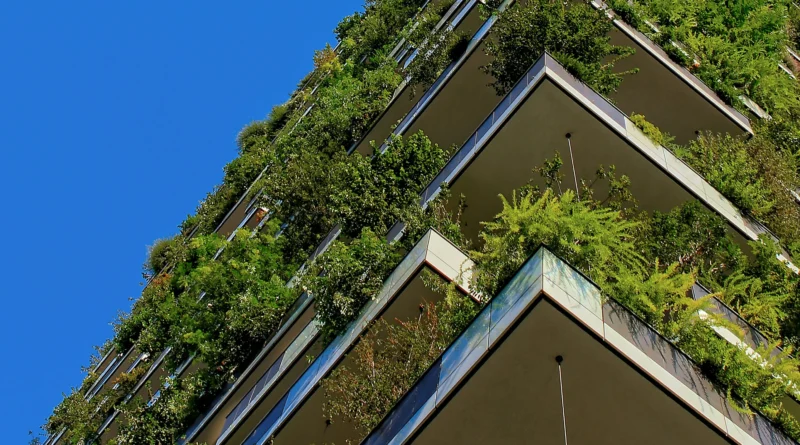
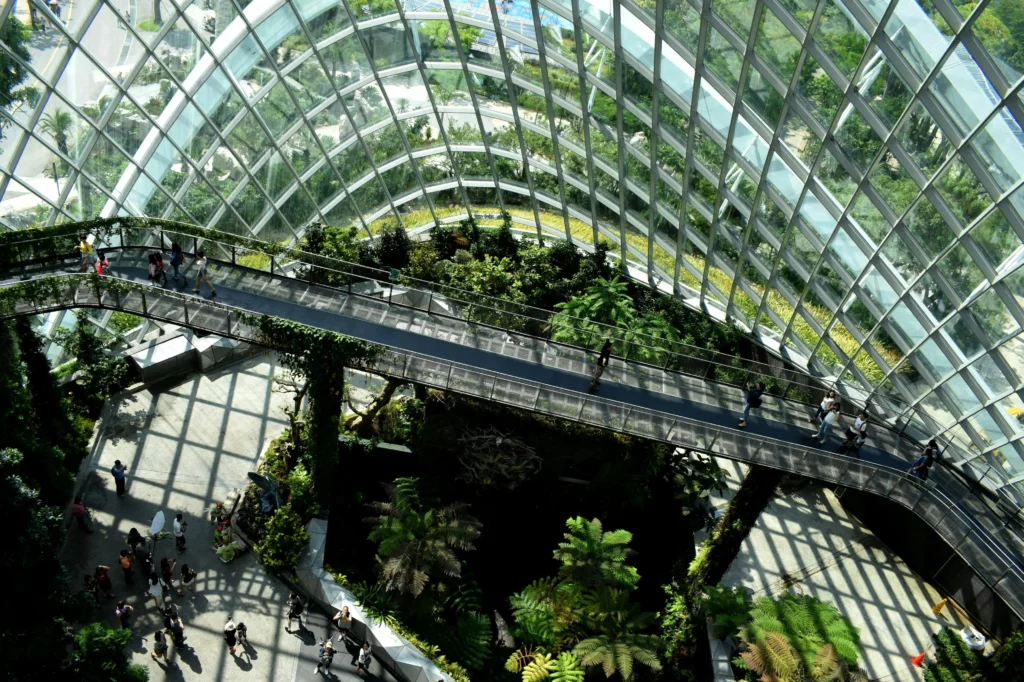
Sustainable architecture often softens the line between man-made spots and wild areas. Things like green roofs, rain-absorbing gardens, and soft-ground paths copy how nature handles water and stays cool. These not only cut down on water rushing off during storms. They also boost life variety in city spots by making tiny homes for bugs and plants. For example, a park building with a green top turned into a spot for birds to nest, which surprised the builders but made everyone happy.
How Do Materials Influence Sustainability?
The stuff you use to build has a big hand in how green a building turns out. Each pick, from the kind of concrete to what fills the walls, changes how it affects the earth and how people feel inside.
Renewable and Recycled Materials
Picking stuff that grows back or has been used before cuts the need for new raw goods. Bamboo grows quick and can take the place of tough woods in floors or main supports. Recycled steel keeps its power but slashes making gases by up to 75% over fresh steel (World Steel Association, 2021). Such picks back supply lines with low harm that fit goals for steady growth. In one office build, they swapped in recycled metal beams, and it not only helped the planet but looked sturdy too.
Low-Toxicity Finishes
Air inside is easy to miss when talking green. Paints, glues, and covers with bad fumes called volatile organic compounds (VOCs) can let out harmful smells for years. Going for low-VOC or plain natural picks boosts comfort indoors. It also guards health for folks living or working there. This is key for full green thinking. I recall a school that switched to safe paints, and kids stopped complaining about headaches right away.
Durability and Maintenance
Stuff that lasts stretches a building’s years and cuts trash over time. Brick outer walls, for one, need little upkeep unlike fake covers that break down fast in sun. When you focus on long life in planning, you save power and goods that would go to fixes or new parts. It is like buying a good pair of shoes that last seasons instead of cheap ones that wear out quick.
Why Is Energy Management Central to Sustainable Architecture?
Handling energy shows how well a building uses power while in use. This is likely the biggest part of its harm to the planet.
Renewable Energy Integration
Solar boards, wind fans, and earth heat setups turn buildings into makers of their own clean power. In 2023, the International Energy Agency noted that sun power prices fell by almost 90% since 2010. This makes adding these easier for many. By making power right there, buildings lean less on the main grid. They also keep running costs steady over years. A friend’s house with solar cut their bill in half, and they even sell extra back to the power company.
Smart Building Systems
New green plans add clever tech like lights that turn on only when needed or air systems that sense if people are around. These adjust on their own to how the space is used. They keep things comfy without waste. See them as quiet helpers that tweak your space all day without you noticing. In busy offices, this means no more dark rooms or stuffy air, which keeps workers sharp.
Efficient Envelope Design
A smart outer layer cuts heat moving in or out with good fills, window types, and tight seals. Top-notch layers can trim needs for heat or cool by up to 40%, per work from Lawrence Berkeley National Laboratory (2022). This right away means less carbon over time. It is basic but powerful, like wrapping your home in a warm blanket on cold days.
How Does Water Conservation Fit into Sustainable Architecture?
Water shortage hits close to two-thirds of people worldwide at least once a year (UN Water Report, 2023). So, smart water use is a core part of green building ways.
Rainwater Harvesting Systems
Gathering rain for things like watering plants or flushing toilets cuts pull from city pipes. You often find holding tanks tucked under open yards or on roofs in fresh eco-builds. This is a hands-on fix that also eases flood chances in big rains. One neighborhood setup collected enough to water all their gardens without tapping the main supply.
Greywater Recycling
Greywater setups clean used water from sinks or baths for use again in the building. This loop cuts total use a lot. It also teaches people about how resources flow. In a hotel I read about, they reused bath water for landscaping, saving thousands of gallons each month.
Efficient Fixtures
Taps with low flow, toilets with two flush options, and touch sensors on sinks add up to big saves. They do this without making things hard to use. Many business builds hit 50% less water just by updating these, following LEED rules. It is simple changes that make a real difference in daily life.
What Role Does Urban Context Play in Sustainable Architecture?
Green building reaches past single spots. It links tight to city settings and how communities work together.
Site Selection and Orientation
Picking spots near bus or train lines cuts car use. Cars are a top source of city gases. Right pointing maxes day light while dodging strong winds or too much sun based on local weather. For instance, in a windy city, they faced doors away from gusts to keep heat inside.
Mixed-Use Development
Mixing homes, shops, and fun areas in one place boosts walking and ties people closer. These setups use shared lines for power or trash better. It saves on big builds for pipes or waste handling. A block with shops below and flats above meant folks could grab coffee without driving.
Cultural Adaptation
Real green work honors local ways along with nature. Using old tricks like open yards in hot spots or thick stone walls in cold ones keeps past alive. It also boosts power save in natural ways. In desert towns, these old designs still beat modern ones for staying cool.
How Do Certifications Support Sustainable Architecture?
Building stamps give clear goals for green work across things like power use, material picks, and inside air.
LEED Certification Frameworks
Leadership in Energy and Environmental Design (LEED) is one of the top stamps worldwide. It checks projects on parts like site care, water save, material choices, inside air and light, and extra points for fresh ideas that go beyond basics. Teams aim for these to show real progress, not just talk.
BREEAM Assessment Methodology
From the UK, BREEAM looks at harm to the earth over all life steps. This includes planning habits and checks after people move in. It pushes for steady gets-better, not just a quick pass. In Europe, many firms use it to track long-term wins.
WELL Building Standard
LEED hits hard on earth measures, but WELL puts focus on people’s health. It covers air clean, light feel, food options, and easy access. This adds key views for full planning. Today’s pros often pair both to balance earth, folks, and money well. It is like checking both the house and how cozy it feels to live in.
FAQ
Q1: What makes sustainable architecture different from traditional design?
A: Sustainable architecture mixes earth balance, resource save, and people comfort all at once. Traditional design often puts looks and use first, apart from long-term earth effects. It is like planning a trip with the weather in mind, not just the road.
Q2: Which materials are considered most sustainable today?
A: Items like bamboo, reused wood, recycled metal, and low-carbon concrete top the list. They shine for growing back easy, lasting long, and low trapped gases, checked by full life reviews. In real builds, these often prove cheaper over time too.
Q3: Can existing buildings be retrofitted sustainably?
A: Yes, updating old places with better wall fills, smart lights, and clean power add-ons lifts green levels a lot. This skips full tear-down, saving past value and trapped carbon. One old factory turned museum this way and drew more visitors.
Q4: How do certifications influence project value?
A: Stamped green buildings fetch higher prices, pull in top renters, and cut daily costs. This boosts money back, shown in real estate looks since the early 2010s. Banks even lend easier knowing the green tag.
Q5: Is sustainable architecture economically viable for small projects?
A: Yes, small builds gain big from easy sun tricks, nearby stuff, and ready parts. These keep start costs low and bring saves later through smart use. A tiny home owner I know did this and paid off faster than expected.