
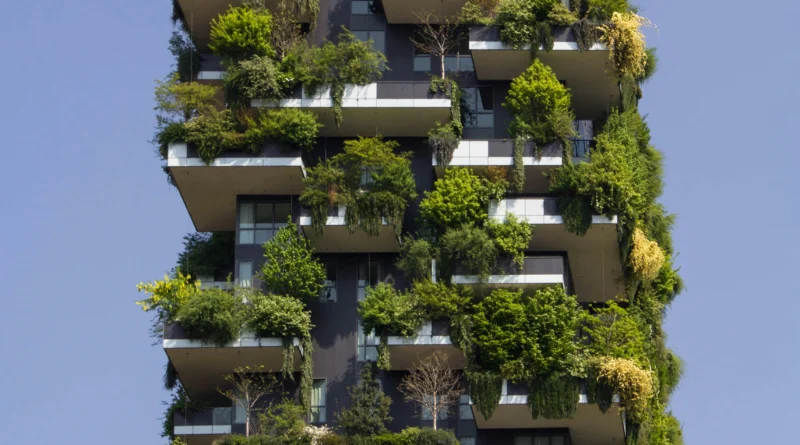
Sustainable Architecture: The Future of Green Architecture
Sustainable architecture has shifted from a small idea to a main part of today’s design and building work. It’s not just about cutting energy costs or picking recycled stuff anymore. Instead, it’s about changing how buildings work with nature, people nearby, and local money matters. Cities keep growing bigger. Climate change speeds up too. So, it’s clear why builders and designers rethink each step of a building’s full life. This piece looks at the big questions pushing sustainable architecture now. It also gives clear details on how it forms the path ahead for earth-friendly design.
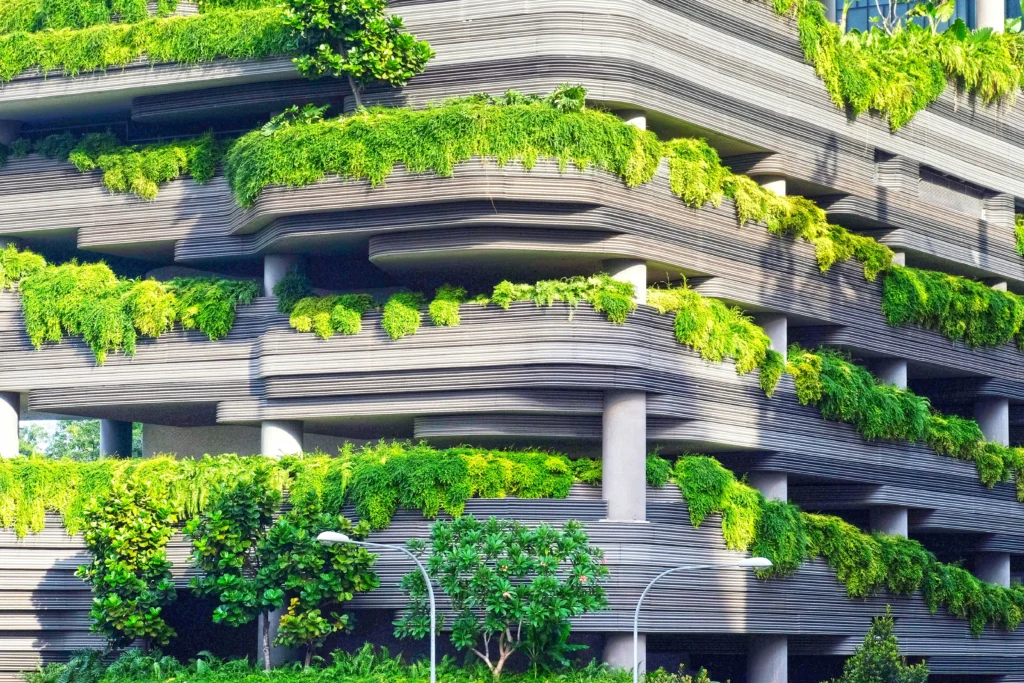
What Defines Sustainable Architecture?
Sustainable architecture means creating buildings that cut down harm to the world around us. At the same time, it boosts how people feel inside them. It mixes smart energy use, nature balance, and careful choices for materials in every choice made. People often call it “green architecture.” But the word means more. It’s not only about power. It also covers the social and money systems that keep our man-made places going strong.
Core Principles of Sustainable Design
The base of sustainable architecture stands on three main ideas: guarding nature, making money sense, and fair treatment for all. These parts make up the “triple bottom line” that leads today’s earth-friendly plans. A building made this way must lower carbon output. It should run well and give ease to those who use it. And it must not hurt what comes after for people down the road.
Integration of Renewable Energy Systems
A key part is adding clean power sources like solar panels, geothermal setups, or wind turbines. These tools let buildings make their own electricity. That cuts the need for old fuels from the ground. Some work even reaches net-zero energy. They make as much power as they use in a year. For example, in sunny spots like California offices, solar roofs power whole floors without grid help most days.
Material Efficiency and Life Cycle Thinking
Choosing materials matters a lot in sustainable architecture. Designers now check materials over their whole life — from digging them up, making them, using them, to throwing them out. Recycled steel, bamboo floors, reclaimed wood, or low-carbon concrete show up more often. They cut the energy locked in them. Yet they keep the building solid. Think of a school in Oregon using bamboo from fast-growing farms. It lasts long and feels warm underfoot.
How Does Sustainable Architecture Reduce Environmental Impact?
Buildings cause about 40% of the world’s carbon emissions, says the International Energy Agency (IEA). That number shows why earth-friendly design helps fight climate change so much. Architects tackle both the carbon from running the building and the carbon built into its parts. In this way, they shrink the overall mark left behind. It’s like giving the planet a break from all that daily strain.
Energy-Efficient Building Envelopes
A strong building envelope — the walls, roof, and windows — works like a warm coat. It holds heat inside when it’s cold out. It blocks heat when it’s hot. Simple tricks like fresh air flow from windows or shades from trees cut the need for machines to heat or cool. In hot places like Arizona homes, these setups keep rooms comfy without cranking up the AC all summer.
Water Conservation Strategies
Running out of water worries folks everywhere more each year. Sustainable buildings add ways to catch rain, reuse sink water, and use taps that sip instead of gulp. This lowers how much fresh water they need. Big projects in spots like Singapore or Copenhagen mix water plans for single buildings and whole neighborhoods. One hotel there collects roof rain for garden sprinklers, saving thousands of gallons yearly.
Waste Reduction Through Circular Design
Circular design tries to end waste by using parts again when a building’s time is up. Building in pieces makes it simple to take apart. Then, those pieces go to new jobs instead of the dump. This changes building from a straight line of take, make, toss to a loop that builds back up. I’ve seen old warehouses turned into lofts this way — nothing wasted, everything reborn.
Why Is Technology Transforming Green Architecture?
Tech now teams up closely to hit green goals. Things like smart watchers and virtual copies let designers track how things work right away. They adjust based on real facts. It’s exciting how gadgets make old ideas fresh again.
Smart Building Management Systems
Smart setups handle lights, room warmth, air flow, and who’s around without a person telling them. They look at info all the time. Then, they tweak things to use less stuff but keep folks happy. Office spots with sensors that spot movement can drop power use by 30% or so. Picture a busy New York tower where lights dim when no one’s in after hours — saves cash and the earth a bit.
Building Information Modeling (BIM) Integration
BIM lets planners act out every step of a job on a computer before anyone hammers a nail. This cuts mistakes and extra materials. It also helps teams of experts talk better. For green work, BIM figures out the carbon in every piece just right. A bridge project in Europe used it to spot weak spots early, dodging costly fixes later.
Advanced Materials Innovation
Fresh materials change how green buildings do their job. Aerogels insulate great without taking much space. Phase-change materials hold heat like a battery. Self-healing concrete fixes its own cracks, stretching its years and cutting fix-up bills. Each new find adds a small win toward no-carbon aims. In rainy Seattle labs, self-healing stuff means less worry about leaks from wear.
What Role Does Urban Planning Play in Sustainability?
Sustainable architecture stands alone only so far. It grows best with smart city planning that builds links and strength against tough times. Planning ties it all together, like threads in a fabric.
Compact City Models
Compact cities push for tight-packed spots over spread-out ones. They blend homes, shops, and play areas close enough to walk. This cuts smoke from cars. It also builds bonds among neighbors. In places like Portland, bike paths weave through these setups, making daily trips quick and clean.
Green Infrastructure Networks
City makers now weave in parks, roof gardens, soak-in sidewalks, and lines of trees. These handle rain the natural way. They clean the air too. Such setups fight the extra heat in crowded towns. Chicago’s green alleys soak up storm water, stopping floods and cooling blocks on hot days.
Transit-Oriented Development (TOD)
TOD builds mixed spots around bus or train stops to cut car use. Cities such as Vancouver make it work well. They mix cheap homes with green ways. One neighborhood there has shops below apartments, all steps from the light rail — folks walk more, drive less, and chat with each other often.
How Do Certifications Influence Sustainable Building Practices?
Badges for green work set clear ways to check how well projects do on earth-friendliness around the globe. They push teams to aim higher, like goals in a game.
LEED Certification Framework
The Leadership in Energy and Environmental Design (LEED) checks projects on parts like power use, water saving, material picks, inside air and light, plus fresh ideas. Getting LEED Platinum means top-notch green work that folks know worldwide. A mall in Texas hit Platinum and now draws crowds who care about the planet.
BREEAM Assessment Methodology
Made in the UK, BREEAM looks at green marks in ways like LEED. But it stresses checking the full life early on. It’s one of Europe’s go-to ways to judge building green. London offices use it to prove they’re solid for years.
WELL Building Standard Focused on Health
WELL differs from usual badges that stick to nature numbers. It puts people first with checks on air, natural light, comfy setups, and mind ease in the space. Hospitals adopting WELL see patients relax faster in brighter rooms.
How Is Sustainable Architecture Shaping Future Cities?
Cities ahead will lean hard on green rules. Not just for nature, but to stay strong as more folks pack in. It’s a mix of smarts and heart that keeps places lively.
Climate-Responsive Urban Design
Designers craft buildings that shift with local weather. Walls that swing open for breezes or soak sun when needed keep insides nice without machines all year. In changeable spots like the UK, these smart skins adjust daily, saving energy in unpredictable rains.
Integration of Nature Into Built Environments
Biophilic design pulls outside bits inside with plant walls or room gardens. These lift moods and clean inside air. It’s big now in work spots after the health scares, chasing better vibes. A tech firm in San Francisco added vine-covered walls — workers say it feels less stuffy, more alive.
Community-Centered Development Models
Green ways go past tech into group input. Locals help shape spots that fit their ways. This builds care that lasts, not just rule-following that fades. In Brazilian favelas, folks joined to add solar and gardens, turning rough areas into proud homes.
FAQ
Q1: What distinguishes sustainable architecture from traditional green building?
A: Traditional green buildings stick mostly to using less stuff like water or power. Sustainable architecture adds fair play for people too. It blends nature care with group strength for full toughness in neighborhoods. Sometimes, it’s the community tie that makes the real difference, like in small towns where everyone pitches in.
Q2: Are sustainable materials more expensive than conventional ones?
A: Up front, yes, because supply lines are still growing. But when you look at the whole run — fixes, power bills, swaps — they often save money over time. They’re smart buys for the long haul. Take bamboo: it costs a bit more at first, but it doesn’t rot fast like some woods.
Q3: Can old buildings be retrofitted sustainably?
A: Yes, for sure. You can add better insulation, smart air systems, LED lights, or clean power setups to old spots. This keeps history alive while slashing smoke output. It’s way better than tearing down and starting over, which wastes tons. An old factory in Detroit got this treatment and now houses artists without the old energy guzzle.
Q4: How does policy influence adoption rates of sustainable practices?
A: Rules from leaders, like money breaks, land rules, and tough smoke limits, speed up green shifts. Add public talks that wake folks to earth choices, and it sticks. Since 2015, matching rules worldwide has tipped the scale, per UN-Habitat notes. In Europe, tax perks made solar common quick.
Q5: What future innovations might redefine sustainability further?
A: New areas like plant-based building, 3D printing with reused bits, concrete that grabs carbon, and smart tools from computers will stretch green limits. They’ll change how towns grow kind to the earth in coming years. Imagine printing homes from plastic waste — it’s coming, and it’ll cut dumps big time.