
What Are the Key Features of Successful Green Architecture
What Defines Green Architecture?
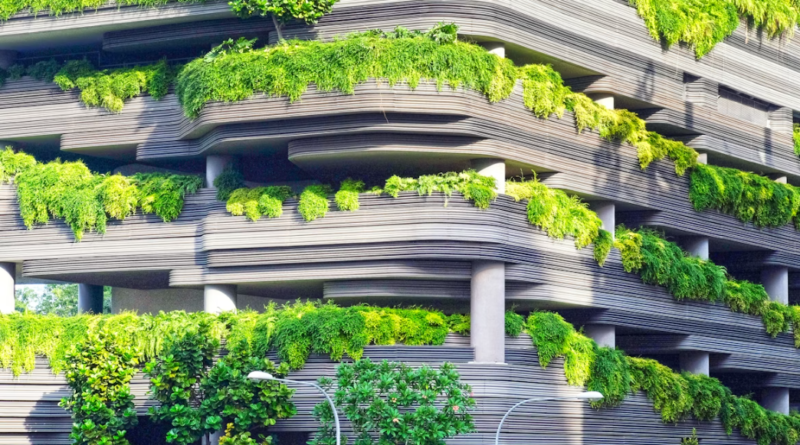
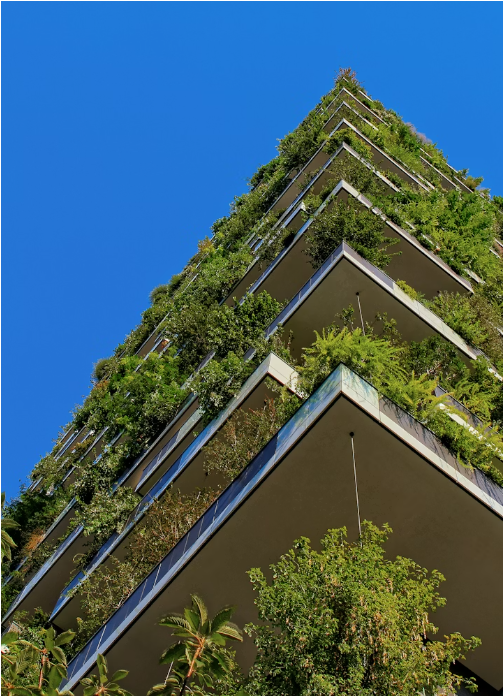
Green architecture, also known as sustainable architecture, goes beyond a simple design trend. It represents a basic idea that weaves environmental care into each part of building planning and building work. The main aim is to make places that cut down on harm to nature. At the same time, they boost comfort for people and improve how things run. You can spot this style in current projects such as the Bosco Verticale in Milan or the Edge in Amsterdam. There, energy needs, building supplies, and balance with nature sit at the heart of it all. I always think it’s cool how these spots blend city life with green touches, like trees growing right on the walls.
Sustainable Design Principles
The heart of green architecture relies on basic rules that cut back on waste. They also push for balance in the environment. These rules cover picking sites that protect natural areas. They include aiming buildings toward the sun for daylight. Plus, they involve choosing supplies with small harm to nature. Architects usually check a building’s full life span. This goes from getting materials to tearing it down. They do this to keep sustainability steady all the way through. For instance, in a busy city like New York, planners might pick a spot near parks to avoid cutting down trees, which helps keep the air fresh for everyone nearby.
Energy Efficiency Strategies
Energy saving stands as a key part of green architecture. Methods like passive solar setup, fresh air flow without fans, and smart lights help drop power use. Tools for tracking energy can watch how it’s used and change things on their own. Places like One Angel Square in Manchester show this well. They mix renewable power setups with good design to slash running costs a lot. It’s not just about saving money; it also means less strain on power plants that burn coal, which is a win for cleaner air in the long run.
Use of Renewable Materials
Materials that grow back fast, such as bamboo, reused wood, cork, or recycled steel, help shrink a building’s carbon mark. These items come back quickly or get new life from old structures. This stops too much digging for new stuff. You may notice new ideas like plant-based padding or paints with low bad smells. They better the air inside while lasting a long time. In places like rural areas, using local bamboo can cut shipping costs and feel more connected to the land, almost like bringing the forest indoors.
How Does Green Architecture Benefit the Environment?
The gains for nature from green architecture reach past single buildings. They add to big worldwide pushes against climate shifts. By cutting out bad gases, saving supplies, and helping wildlife grow, these buildings aid steady city growth. Sometimes, it’s the small things, like a roof garden that attracts bees, that make a real difference in a concrete jungle.
Reduction of Carbon Footprint
A top goal is to lower gases that warm the planet. This happens through designs that save energy and use power from nature. For example, adding solar panels or earth heat systems lets buildings make some of their own power. They don’t need to depend fully on fuels from the ground. Over years, this drops the carbon made per space area. It beats what regular buildings put out. Think about a home in sunny California; those panels can cover half the electric bill, keeping more clean air for the kids playing outside.
Preservation of Natural Resources
Green architecture pushes smart use of supplies. It does this with reused water setups, catching rain water, and getting materials close by. This cuts smoke from trucks hauling things far. It also eases stress on wild areas. The Bullitt Center in Seattle shows this in action. It gathers rain for every drop it needs and reuses soapy water well. In dry spots like parts of Australia, this kind of setup can save enough water to fill a small pool each month, which feels pretty practical when rains are scarce.
Enhancement of Biodiversity
Buildings made for nature often add green roofs or wall gardens. These spots give homes to birds and bugs in city settings. Such parts not only make towns prettier. They also bring back lost nature jobs. At Singapore’s Parkroyal on Pickering hotel, thick plants cover over 200% of the ground it takes up. That sends a strong message about city wildlife. It’s like turning a tall building into a mini forest, where you might even hear birds singing amid the traffic noise.
What Role Do Innovative Technologies Play in Green Architecture?
Tech now drives forward-thinking green design. It lets builders measure how things work just right. It also helps buildings change to fit weather shifts. Without these tools, we’d still be guessing a lot, but now it’s more like having a smart watch for the whole structure.
Integration of Smart Building Systems
Sensors that think on their own control lights, heat, and cool air based on how many people are there or how much sun comes in. Auto setups gather fresh info to tweak how things run. No one has to step in by hand. This saves power. It also makes folks feel better by keeping inside steady all day. In an office tower, this might mean lights dim when the sun is bright, saving bulbs that last longer and cutting the electric bill by 20% or so.
Utilization of Renewable Energy Sources
Solar boards stay the most seen green power tool in these buildings. But small wind fans and ground heat pullers show up more now. Some big works mix a few types for mixed power making. The Bahrain World Trade Center put wind fans between its two towers. That was an early mix of building smarts and nature power. In windy spots like the Midwest U.S., adding those fans can power the elevators without extra grid pull, which is handy during storms.
Implementation of Water Conservation Techniques
Lack of water worries many around the world. Green architecture fights back with pipe systems for reusing bath water, taps that use little flow, and watering plants that checks weather first. These ways can halve water use, based on the area’s weather. For a hotel in a desert town, this might mean recycling shower water for toilets, stretching supplies further and keeping guests happy without waste.
How Is Energy Efficiency Achieved in Green Buildings?
Energy saving comes from careful planning in every bit of the build. It starts with how the building faces the sun and picks its padding. It’s all about working with nature, not against it, to keep things comfy without big power draws.
Passive Solar Design Techniques
Passive solar ways catch sun rays for warmth and light in a natural way. They cut extra heat in warm times. Good spot for windows, covers for shade, and heavy walls that hold heat help keep inside nice all year. No machines need to jump in. In a cold winter home, this could mean warmer rooms on sunny days, like a free hug from the sun, reducing the need for heaters.
High-Performance Insulation Systems
Padding works quietly but key to stop energy from slipping away. New green padding choices include stuff from old paper or wool from sheep. These handle wet air and steady temps. They keep rooms even. This cuts the work for air systems a bunch. For an old house retrofit, adding this might drop heating bills by 30%, making winters cozier without cranking up the thermostat.
Advanced Heating and Cooling Solutions
Systems that grab heat from old air to warm new air coming in save power in cool places. It’s a basic but strong trick. Floor heat that glows spreads warmth smooth with little loss. It beats old air blowers. In a school building, this even warmth means kids stay focused, not shivering in corners, and teachers save on energy for other supplies.
What Are the Economic Advantages of Green Architecture?
Upfront money might run higher than usual builds. But over time, the money back makes it a smart pick for builders and owners. It’s like planting a tree; it costs now but shades you later, plus maybe some fruit.
Long-Term Cost Savings
Systems that save energy trim power bills way down as years pass. Fixes cost less too. Strong supplies need fewer swaps or patches. A report from the World Green Building Council says savings in daily runs often cover extra start costs in five years. In a factory setting, this could mean more cash for worker bonuses instead of fuel payments.
Increased Property Value
Green buildings usually sell or rent for more. This comes from low daily costs and happy users. Renters like eco-stamped spots for good reasons and nice feels. So, they fill up fast at better prices. A green apartment block might attract families who value fresh air, pushing values up 10-15% in hot markets.
Eligibility for Green Certifications and Incentives
Works that hit green marks can get stamps like LEED or BREEAM. These build trust with money folks and buyers. Many places give tax cuts or help money for green-certified builds. This makes money sense better. For a small business owner, snagging that LEED tag could mean lower taxes and a badge that draws eco-minded clients.
How Does Green Architecture Enhance Human Well-being?
Next to money and nature wins, another big plus is better health and ease for people in these spaces. It’s not just buildings; it’s places that feel alive and supportive, almost like a gentle nudge toward feeling good every day.
Improvement in Indoor Air Quality
Using safe paints and good air flow keeps inside air clean from bad stuff or dust that bothers. This lifts work output in spots where folks stay inside long. In a busy call center, cleaner air means fewer sick days, keeping teams sharp and chats flowing without coughs interrupting.
Maximization of Natural Light and Ventilation
Plans for day light cut need for fake lights. They lift moods and sharp thinking for those inside. Windows you can open let breezes cross through to freshen air on their own. It’s a tiny change with large mind perks. Picture a classroom with big windows; kids learn better in that glow, eyes less tired by afternoon.
Creation of Healthy Living Environments
Designs with nature bits like plants, rough textures, or trickling water cut stress. They build ties to the outdoors even in packed towns. Research shows folks calm down more in these spots than plain modern ones. In a hospital waiting room, a small water feature might ease nerves, making waits feel shorter and kinder.
What Are the Challenges in Implementing Green Architecture?
Even with all the good sides, putting green ways into practice hits some tough spots. These slow how fast it spreads in building fields. It’s frustrating, but pushing through with real talks helps everyone see the path forward.
Initial Cost and Investment Barriers
Top-notch tools like sun boards or fancy windows still cost a lot at the start. Savings come later, but builders eyeing quick wins might pause. This happens unless rules or buyers push for green proof. In tough economies, like after a recession, folks stick to cheap options, but education on long pays off changes minds slowly.
Regulatory and Policy Constraints
Rules for buildings often trail new ideas. Some areas miss fresh guides for new supplies or nature power fits. Faster okay steps could speed things up if leaders match rules to green aims. In Europe, stricter codes help, but in developing spots, updates lag, holding back projects that could shine.
Limited Availability of Sustainable Materials
Finding checked green supplies can prove hard by where you are or how supply lines work. Hauling eco-goods far adds smoke, which goes against the point. This shows why getting local stays key, even if better picks sit elsewhere. For a builder in a remote island, sourcing nearby wood means less wait and fits the green story better, though options stay slim.
FAQ
Q1: What makes green architecture different from traditional building design?
A: It puts nature performance first. This includes green supplies, power saving, water saving steps, and health for those inside. It does not just eye looks or low costs.
Q2: Are green buildings more expensive to construct?
A: Start costs can climb higher from special tools or stamps needed. But daily savings often even it out in a few years of use. In my view, it’s worth the extra if you plan to stay long-term.
Q3: How do smart technologies support sustainability goals?
A: Auto controls tweak lights and air systems by who is there. They cut extra use while keeping things comfy all through the day. This makes green living smoother without much thought.
Q4: Can older buildings be converted into green structures?
A: Yes, you can update old places with better padding, smart lights, and nature power. This boosts green ways without starting over. Global programs back these changes well as new rules come out.
Q5: Why is biodiversity important in urban developments?
A: Adding plants aids local nature spots. It fights city heat, cleans air, and blends wild life with people in tight towns. It’s key for healthy cities where green patches offer a breather from the rush.