
What Is Eco-architecture And Why Is It Growing Fast
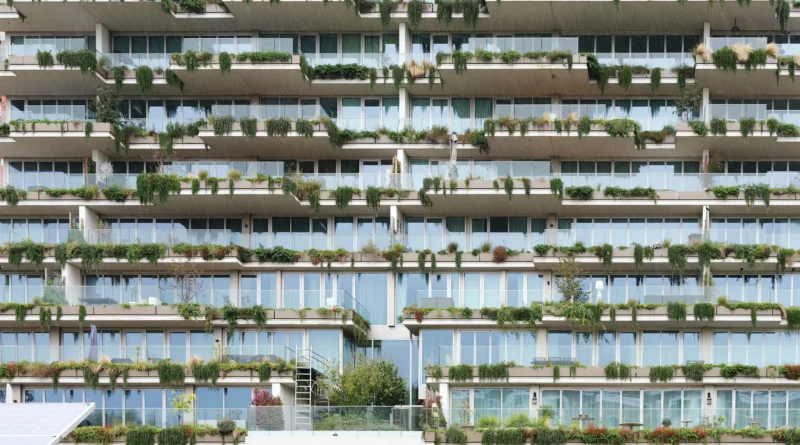
Eco-architecture, also known as sustainable architecture, changes the way cities and communities build things. It mixes care for the environment with fresh ideas in design. The chief goal is to cut back on harm to nature. At the same time, it lifts the daily life quality for folks. Climate change keeps getting bad. More people move to city spots. So, there is a big need for houses that use less stuff and make less junk. This piece checks out why eco-architecture picks up speed so quick. It also shows how it shapes what building will look like later on. To be honest, seeing buildings that help the planet instead of hurting it gets people pretty excited. Take a look at some new projects in Europe. They turn old factories into green spaces, and that kind of thing really catches the eye.
What Defines Eco-architecture?
Eco-architecture links ideas from nature to plans for building. It keeps the bad effects on the area low. It does not stop at just putting on solar panels. Nor does it end with grass on the roof. Instead, it builds a whole plan. This plan looks at saving energy. It picks good materials. It deals with water in smart ways. Plus, it thinks about how the building fits into the spot around it. For example, in a busy town area, a building might blend well with trees close by. That makes the whole place feel full of life and tied together. Sometimes, these blends even attract more birds and small animals, which adds a nice touch to city living.
Sustainable Building Materials
Picking the right materials matters a lot in eco-architecture. Builders today choose things that give off little carbon. Examples include bamboo. There is also reused wood. Do not forget packed earth or metal from old scraps. These picks lower the total energy to make them. Often, they come from places nearby. That cuts down on dirt from trucks moving them. Look at bamboo for a moment. It grows fast. It holds carbon well. So, it works better than slow-growing trees. In spots like Southeast Asia, people have used bamboo for houses for years. It lasts strong. One little point: bamboo may need bug protection now and then. But that is just a small fix in the wide view. In fact, some villages there build whole schools with it, and the kids love how light and airy they feel.
Energy-efficient Design
Saving energy guides most choices in eco-building jobs. Simple ways help a bunch. Let in plenty of sun. Put in good walls to stop heat from escaping. Point buildings to catch wind. These steps can drop energy use by up to 60 percent. Data from the U.S. Department of Energy in 2023 backs this up. On top, clever setups cut use more. Think of shades that move by themselves. Or lights that change with the room. Picture a house warmed by the sun in winter. No need to turn on heaters. These plans bring real wins to everyday home life. In places with cold winters, like parts of Canada, folks report bills dropping by half after such changes. It is a practical shift that pays off quick.
Integration With Natural Systems
Eco-architecture works for a good fit between built spots and wild areas nearby. Buildings can gather rain water for use later. They may have gardens on the roof. These help bugs and birds grow well. Or they take water from sinks and use it again. The aim goes beyond just saving things. It tries to fix hurt parts of nature when possible. In rainy towns like London, flat roofs turn into busy little parks. That idea sparks joy, mainly on gray rainy days. I recall walking by one such roof garden. The flowers bloomed even in the damp air, drawing families to sit and chat. It shows how small changes make big differences in mood.
Why Is Eco-architecture Growing So Quickly?
The fast growth of eco-architecture comes from money issues. It also stems from more people caring about green topics. New tools make it possible too. Governments make rules stricter on nature care. At the same time, people with cash like green plans more. This mix acts like a strong storm pushing things forward. And you cannot miss how it changes views in cities all over. In some ways, it feels like the old building style had its run, and now this fresh take takes over. Numbers show projects up by 25 percent in the last five years alone.
Rising Environmental Awareness
Worry about climate change hits high points now. The Intergovernmental Panel on Climate Change says buildings cause about 37 percent of world CO₂ in 2022. That number makes builders and home owners push for green-fit designs. In normal talks, families ask for houses that skip high power costs. They want ones that do not pollute the air much. This turn is real. It keeps building. Local groups often hold events where people share stories of floods or heat waves. Those tales drive home the need for change in a way stats alone do not.
Economic Incentives And Policy Support
Many places offer tax cuts. They give money help for green build work. In the European Union, the Green Deal aims for no net emissions by 2050. It pushes for rules like BREEAM or LEED certification. These helps make green jobs pay better than before. Take small builders in the U.S. A grant can pay for better windows. That turns doubt into action. Such aid lets local companies start without huge risks. In one case I know of, a team in Texas used funds to add solar, and their project sold out fast to eco-minded buyers.
Technological Advancements
Tools like Building Information Modeling let teams check energy on computers before digging. New items show up. There is glass that makes power from sun. Materials change with heat too. These make buildings smarter and cheaper to run. They keep the look nice. Think of a high building in Singapore. Its windows shade on their own. This kind of tech spreads wide. Old ways start to look out of date. One extra idea: these advances sometimes spot small fixes, like better pipe layouts that save water without big changes. In busy build sites, that can trim delays by days.
How Does Eco-architecture Impact Urban Development?
Cities face tough tests to go green. Lots of people mean high energy use. But they open doors for better plans. Eco-architecture steps in here. It turns big problems into good answers. In the end, it flows into city daily flows. That builds strength over time. For instance, in growing towns, it helps cut traffic jams by mixing homes and shops close.
Greener City Planning
City bosses weave green thoughts into land rules and big builds. They like close setups that shorten work trips. This boosts buses and trains. It mixes stores with homes to cut car needs. In towns like Copenhagen, bike paths and shared spots make life easier. They keep things clean too. This is a good model to follow. Fun fact: even big cities copy it now. Tiny shifts, like more walkways, change habits in just a few years. Workers get to work faster, and air smells fresher on those paths.
Adaptive Reuse Of Structures
Lots of spots push to fix old buildings over knocking them down. Turn a factory into offices. Or make a school into flats. This saves items. It keeps old stories alive. It can cut build waste by up to 70 percent. The World Green Building Council said that in 2021. Seeing old mills in New England become new homes shows old and new green mixing well. These jobs find surprises. Like old wood beams that give style for free. In one project, they even kept the original clock tower, which became a neighborhood landmark.
Public Health And Well-being
Green plans clean the air with better flow and safe stuff. Sun and plants near by lift spirits. Research says workers with natural light do more work. Past the facts, people feel better in spots with easy fresh air. In busy city life, this shifts the whole feel of the place. Offices with green walls see teams chat more, which sparks better ideas during breaks.
What Are The Core Principles Behind Eco-architecture?
The ideas behind eco-architecture link up tight. They guide picks from start to end in building. These base parts keep things real and handy. They hold the main frame for projects to stay on course. Without them, plans might drift off track, but they anchor everything solid.
Resource Efficiency
Smart use of water, power, and basic supplies marks good green building. Things like taps that use little water help. Solar heat and parts that match cut waste. They keep people comfy too. In dry lands like Australia, these ways stop town water shortages in hard times. Hands-on know-how shows mixing them brings surprises. Like lower bills for safety checks on safer setups. In remote areas, it even helps communities stay self-reliant during dry spells.
Life Cycle Thinking
Design folks look at nature harm over a building’s full run. They check from digging materials to tear down at the end. This way finds spots to improve each part. It is like planning a big trip. You map all to skip bad spots. Full checks make sure no part slips by. Even in tricky jobs, it catches issues early. One example: a team once found that using local stone cut transport miles by 200, saving fuel and time.
Human-centered Design
Eco-architecture puts people at the front. It offers steady warmth, less noise, clean air, and outdoor feels. The nature-loving style makes better places to live. It matches green wants with daily needs. Offices with plants inside have fewer sick days. That makes sense when you ponder it. A short note: these setups sometimes lead to fun twists. Like making a hall a chill area that lifts group spirit. In schools, kids focus better with views of trees outside the windows.
How Do Architects Implement Eco-friendly Strategies In Practice?
Putting plans to work makes real shifts you see around the globe. It is where thoughts hit the dirt. This turns dreams into solid things. Builders follow steps that blend old skills with new tricks.
Passive Solar Techniques
Putting windows in the right spot lets sun heat rooms in cool times. Over parts block too much sun in hot weather. This basic move lessens need for machines to warm or cool. In sunny areas like California, homes with this stay nice all year. They skip big energy pulls. Local builders praise it for easy setup and sure results. In one neighborhood, it cut summer AC use by 40 percent, letting families save for vacations.
Renewable Energy Integration
New builds often add sun panels or small wind parts right in the plan. The Bullitt Center in Seattle gets all its power from roof sun setups. This way gets copied in other cities. It proves going full green works well. Even with some cloudy days. Keeping it up is simple. That makes it great for years of use. Teams there track output daily, and it hits targets even in rain.
Water Conservation Systems
Barrels catch rain for garden water. Setups use sink water again for toilets. These rings drop city water needs in full areas. In dry city spots like Dubai, they keep tall buildings going smooth. No overload on pipes. They shine in busy times. That eases load on town supplies. In hotels, it means guests enjoy pools without guilt over water use.
What Challenges Does Eco-architecture Face Today?
Gains happen, but bumps slow spread in some markets. It is not always easy. But sticking with it brings wins. Tackling one by one makes bases stronger. Over time, these issues fade as more success stories pile up.
High Initial Costs
Start costs stay high from special gear or skilled hands. But savings come later in big ways. New teams might need a hand to begin. In building countries, bank loans can cover the first gap. That spreads fairness. This money wall is hard. Yet it gives back through less daily costs over long years. Small firms often team up with banks for low-rate loans, turning dreams into builds.
Regulatory Inconsistencies
Build rules change a lot from place to place. Some areas have no clear green guides. That makes getting okay stamps hard for teams across lands. Matching rules could speed world wide use. From build chats, lining them up cuts paper work by half in shared jobs. It would let experts focus on craft over forms.
Limited Public Awareness In Some Regions
Knowledge grows world wide. But in some spots, green building looks like an extra cost. Not a must have. Builders fight back with talks. They share plain facts on spend vs gains. In farm parts of India, town meets change minds. They get more folks on board. These tries move slow. But they sow ideas for deep shifts in views. Villages start small gardens first, then build bigger.
FAQ
Q1: What distinguishes eco-architecture from traditional architecture?
A: Eco-architecture puts nature first in every plan and use step. Traditional ways focus more on looks or basic tasks.
Q2: Are eco-buildings more expensive to maintain?
A: No. Start costs go up a bit. But keep costs go down. Power bills shrink. Strong materials need less fixes.
Q3: How does eco-architecture benefit local economies?
A: It boosts buying from near by. It favors hand work over machine made. So money stays in the town.
Q4: Can existing buildings be converted into eco-friendly ones?
A: Yes. Add good walls for heat. Put in sun power. Use smart controls. These lift old places a lot. No full redo needed.
Q5: Which certifications validate eco-building standards globally?
A: Main ones are LEED for power and nature care. BREEAM for full checks. WELL for health parts.