
What Is Green Building Architecture And Why It Matters
Green building architecture has turned into one of the biggest topics in today’s construction world. It’s not just about making structures that are kind to the planet. It’s also about changing how spaces work with nature, power sources, and people’s health. For folks like you, who dive deep into design and eco-friendly ways, this area brings real hurdles and chances. The next parts look at main questions about green building architecture. They cover its basic ideas, tools, pluses, and how it helps build a better future for everyone.
What Defines Green Building Architecture?
Green building architecture is a method that mixes care for the environment into each part of a building’s life. This starts from planning and design, then goes to building and daily use. It aims to cut down bad effects on the world around us. At the same time, it boosts health and work output for those inside.
Sustainable Design Principles
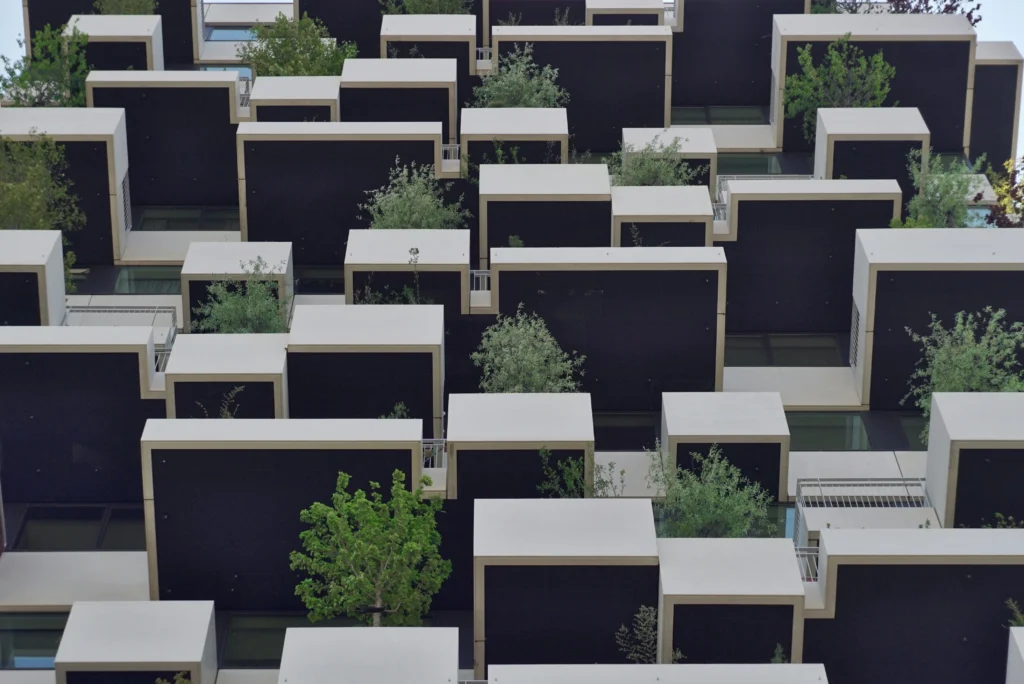
The heart of green architecture uses basic rules for lasting design. These rules match practical needs with care for the earth. They cover smart use of things like water and power. They also mean cutting trash during build time. Plus, they push for natural items such as bamboo or reused steel. Lots of designers add parts from biophilic design too. Think natural light, fresh air flow, and plants. These help people inside feel closer to the outdoors. In my view, it’s like bringing a bit of the park indoors, which just makes sense for daily life.
Energy Efficiency Strategies
Saving energy stands as a key part of green building ways. Methods like passive solar setup, strong insulation, and clever heating and cooling systems lower power use a lot. The U.S. Department of Energy noted in 2023 that buildings take up almost 40% of all energy in the United States. So, making energy use better can bring clear gains for the planet. For example, in a simple office block, these steps might drop bills by 30% right away, based on real projects I’ve heard about from builders.
Life Cycle Considerations
Life cycle assessment (LCA) checks the full effect on the environment for a building. It looks from pulling out materials to tearing it down at the end. This big-picture check helps creators pick items and setups. They choose ones that cut carbon output over the years. It’s thorough work, but it pays off in the long run.
How Does Green Building Architecture Improve Environmental Performance?
People measure how well green buildings do for the environment with numbers like energy use intensity (EUI), less carbon footprint, and smart resource use. But it’s more than stats. It’s about making tough setups in city spots that support life around them. Take a city park integrated into a high-rise; it not only cools the area but also gives birds a place to nest.
Reduced Carbon Emissions
Green buildings use clean power from things like solar panels or wind turbines. This slashes running emissions by a big amount. The World Green Building Council (WGBC) says net-zero carbon buildings could trim global CO₂ output by up to 84 gigatons by 2050. That’s if many places take them on. Imagine a whole neighborhood powered this way—fewer smoky factories needed.
Water Conservation Methods
Tools that save water, setups to catch rain, and ways to reuse greywater are common in lasting design. Take Singapore’s Marina Barrage as a real case. It mixes rain control with fun areas for people. This shows how green setups can do more than one job well. In dry spots like parts of California, these methods keep gardens green without wasting taps.
Waste Minimization Practices
Trash from building sites makes up almost one-third of all landfill stuff worldwide. Green architecture fights this with piece-by-piece building methods. It also uses programs right on site to recycle items. This keeps materials out of dumps. From what I’ve seen in industry reports, some sites cut waste by half just by planning ahead.
Why Is Indoor Environmental Quality Important in Green Buildings?
Indoor environmental quality (IEQ) touches straight on people’s health and ease. These days, builders put more focus on them in fresh designs. It’s key because we spend so much time inside, right?
Air Quality Enhancement
Good air flow systems work with materials that have low-VOC to make inside air cleaner. The EPA studies point out that inside pollutants can run two to five times higher than outside ones. So, right air flow matters a ton for those living or working there. Adding plants like peace lilies can help filter air naturally, almost like a free bonus.
Daylighting And Visual Comfort
Plans for daylight bring in natural light. They cut down on bright spots and extra heat. Items like roof windows, light ledges, and shiny walls spread light around inside rooms. This lessens the need for fake lights in day hours. In schools, for instance, kids do better on tests with more natural light—it’s a proven thing.
Acoustic And Thermal Comfort
Sound barriers cut noise from outside or nearby rooms. Thermal setups let you set different temps in various spots inside a building. This boosts comfort all around. And it does so without wasting too much power. Think of a busy hospital where quiet zones help patients rest easier.
What Role Do Materials Play In Green Building Architecture?
Choosing materials shapes a lot of how lasting a building is. This goes from built-in carbon to how long it lasts.
Renewable And Recycled Materials
Lasting items come from quick-growing things like cork or bamboo. They also include reused metals or saved wood. These cut the need for new raw stuff. Yet they keep the build strong. Using them feels good, knowing you’re not chopping down old forests every time.
Locally Sourced Materials
Picking items from nearby spots lowers travel emissions. It also helps local jobs and money flow. In LEED projects, getting stuff from within 500 miles counts toward green points. It’s practical—why ship bricks across the country when good ones are down the road?
Durability And Maintenance
Items that last long mean fewer fixes and swaps over time. They also trim upkeep costs. Fiber cement siding, for one, holds up to weather better than regular wood covers. This stretches the building’s life. And it drops total costs in the end. In rainy places like Seattle, this choice saves headaches year after year.
How Are Technologies Transforming Green Building Architecture?
Tech changes lasting design by giving facts-based views on how to make things work better. It’s exciting how gadgets make old ideas fresh.
Smart Building Systems
Auto systems for buildings watch lights, temps, who’s there, and power use live. They make changes to save more without people stepping in. In a hotel, this might dim lights in empty rooms automatically. Saves money and power without fuss.
Renewable Energy Integration
Solar panels fit into walls or roofs to make clean power right there. Some big projects add small power nets. These store extra juice for later or to share with neighbors. Picture a school that sells back power on sunny days—neat, huh?
Digital Simulation Tools
Designers use computer models like BIM (Building Information Modeling) a lot now. They test heat flow or light spread before starting to build. This saves stuff and time on the job. From experience in the field, it catches mistakes early, like a virtual trial run.
How Do Certification Systems Support Green Architecture?
Systems for certification give clear ways to check how well a building does on green goals. They cover many areas with real measures.
LEED Certification System
Leadership in Energy and Environmental Design (LEED) is one of the top programs known around the world. It looks at things like land care, water saving, power use, item picks, and inside air. Then it gives levels from Certified to Platinum. Over 100,000 buildings have it, showing it’s trusted.
BREEAM Assessment Methodology
BREEAM started in the UK. It checks nature value plus how well it runs day to day. The rules bend for different weather and build types. It’s been around since 1990, helping thousands of spots go green.
WELL Building Standard
WELL stands out because it puts human health first. Not just earth stats. It covers air, food choices in the place, ways to exercise, mind health bits like views of nature or lights that match body clocks. In offices, this means happier workers who stick around longer.
What Are The Economic And Social Benefits Of Green Building Architecture?
Green buildings give more than earth wins. There’s a strong money side too. They often bring back cash through lower running costs and higher worth. Plus, they help people connect better.
Cost Savings Over Time
Upfront money might run higher for fancy systems or cert fees. But lower power and water bills make up for it in a few years. McGraw Hill Construction studies from 2022 back this up. One report showed payback in under five years for many spots. It’s like investing in a better fridge that pays for itself.
Increased Property Value And Market Demand
Buildings made green draw renters who pay extra for healthy spots. This fits company goals on earth, social, and money (ESG). So, owners see steady wins. In hot markets like New York, green tags boost sale prices by 10% or more, per real estate data.
Enhanced Community Well-being
Green projects build tighter groups with shared plant areas or open green spots. These spark talks among folks. They also help city wildlife grow. It’s a quiet way to make social good, often missed in old styles. Think of a apartment complex with a community garden—neighbors chat while picking veggies, strengthening bonds naturally.
FAQ
Q1: What distinguishes green building architecture from conventional design?
A: It mixes lasting rules into every step. From picking the spot to taking it apart. The focus stays on using less stuff. And it lifts how people inside feel and do.
Q2: Which certifications validate a building’s sustainability performance?
A: Popular ones are LEED from the U.S., BREEAM from the UK, and WELL. WELL adds health parts to green checks.
Q3: How does technology contribute to greener buildings?
A: Tech uses smart watchers for live info on heat or who’s around. This lets auto fixes happen. It boosts saving without daily hands-on work.
Q4: Are green buildings more expensive than traditional ones?
A: Start costs can be a bit more. But saving on runs pays it back fast. They turn into smart money holds over years, not just costs.
Q5: Can small-scale residential projects adopt green architecture principles too?
A: Yes, for sure. Even small houses can add sun-based plans, good wall covers, and rain catchers. This brings real green wins like in big business builds, if you plan with care. A cozy home with these feels cozier and saves on bills monthly.