
How Interior Design Shapes Modern Homes
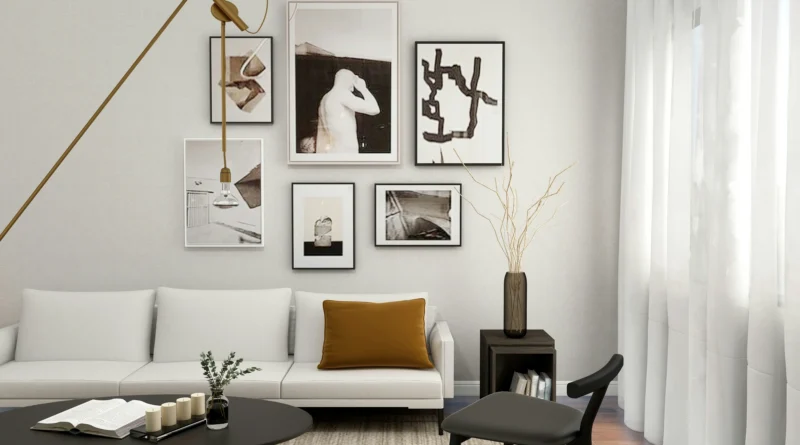
Interior design is more than a decorative art; it’s a discipline that balances aesthetics, functionality, and psychology. In modern homes, design defines how you experience space — from how light moves through a room to how furniture encourages conversation or solitude. For professionals in architecture and spatial planning, interior design is the connective tissue between structure and human behavior.
What Defines Modern Interior Design?
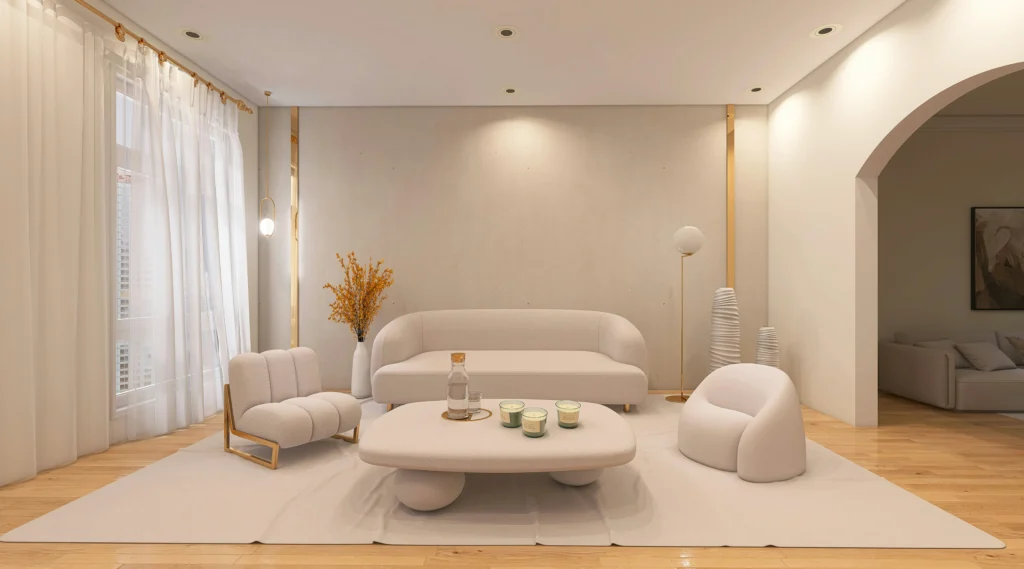
Modern interior design blends simplicity with purpose. It’s not about minimalism alone but about creating harmony between materials, form, and technology. You see it in clean lines, open spaces, and the use of natural light. The modern home isn’t cluttered with objects; instead, every element has intent — from the placement of a single chair to the tone of wall finishes.
Functional Simplicity
Function drives the modern aesthetic. A living room designed for both relaxation and social interaction uses modular furniture that adapts easily to different needs. Designers often integrate hidden storage or flexible layouts that make small spaces feel expansive.
Use of Natural Materials
Wood, stone, linen, and metal dominate modern interiors because they age gracefully and connect occupants to nature. The tactile quality of these materials adds warmth to otherwise sleek spaces.
Integration of Technology
Smart lighting systems, climate control, and concealed wiring allow technology to enhance comfort without disrupting visual balance. When done right, tech becomes invisible — serving rather than dominating the environment.
How Does Space Planning Influence Daily Living?
The way rooms are arranged affects how people move, think, and interact. Good space planning prioritizes flow — ensuring that transitions between areas feel natural rather than forced.
Open-Concept Layouts
Open plans remain popular because they create visual continuity between living areas. However, they require skillful zoning using rugs, lighting variations, or partial partitions to maintain intimacy without closing off space.
Zoning for Function
Each area should have a clear purpose: cooking zones separated subtly from dining areas; reading corners designed with acoustic consideration; workspaces positioned near natural light sources for focus.
Circulation Flow
Efficient circulation avoids dead ends or cramped passages. In high-end residential projects, designers often test walking paths digitally before construction to refine ergonomics.
Why Is Lighting So Critical in Interior Design?
Lighting determines mood as much as color or texture does. It can make a compact room appear spacious or turn a neutral palette into something dynamic.
Natural Light Optimization
Large windows and skylights are central features in modern homes because daylight enhances well-being and reduces energy use. Reflective surfaces like polished concrete or glass amplify this effect.
Layered Artificial Lighting
Professionals use three layers: ambient (general illumination), task (focused light for activities), and accent (to highlight architectural features). Balancing these layers prevents harsh contrasts that strain the eyes.
Emotional Impact of Light Temperature
Warm light feels intimate; cool light promotes alertness. Designers calibrate color temperature depending on room function — warmer tones for bedrooms and cooler ones for kitchens or offices.
How Do Colors Affect Spatial Perception?
Color psychology plays an essential role in interior design strategy. It influences perception of scale and atmosphere even before furniture is introduced.
Neutral Foundations
Shades like beige, white, or gray provide flexibility for layering textures or accent tones later on. They also reflect more light, making rooms appear brighter.
Accent Colors as Focal Points
A bold wall or piece of art draws attention strategically without overwhelming other elements. Many designers use color blocking to define zones within open spaces.
Cultural Context of Color Choices
Color meaning varies globally — blue might symbolize calmness in one region but mourning in another. International projects must consider these nuances carefully during concept development.
What Role Does Sustainability Play in Modern Design?
Sustainability is no longer optional; it’s embedded in professional ethics across architecture and interior design sectors. Eco-conscious clients expect materials and methods that minimize environmental impact while maintaining luxury standards.
Use of Recycled and Renewable Materials
Bamboo flooring, reclaimed wood beams, low-VOC paints — all contribute to healthier indoor air quality while reducing resource depletion.
Energy Efficiency Measures
LED lighting systems paired with motion sensors cut unnecessary power consumption. Thermal insulation through double-glazed windows improves comfort year-round without heavy HVAC reliance.
Lifecycle Thinking in Material Selection
Designers assess how long each component will last before replacement becomes necessary. Durable choices reduce waste over decades rather than years.
How Does Furniture Define Character Within Space?
Furniture acts as both sculpture and utility within interiors — shaping how people inhabit rooms physically and emotionally.
Custom-Made Pieces for Cohesion
Tailored furniture fits exact dimensions of a home rather than forcing adaptation around standard sizes. This ensures proportional harmony across spaces.
Ergonomic Considerations
Beyond style lies comfort: seat depth, table height, armrest angles all influence usability during daily routines like dining or working remotely.
Statement Furniture as Identity Markers
A single iconic chair or vintage table can anchor an entire design narrative — signaling taste without verbal explanation.
How Is Psychology Embedded in Interior Design Decisions?
Every spatial decision affects emotional response — whether through ceiling height influencing openness perception or texture affecting tactile satisfaction.
Spatial Proportion and Human Scale
Rooms too large can feel impersonal; too small can cause discomfort. Designers rely on anthropometric data to calibrate proportion relative to human movement patterns.
Texture and Sensory Comfort
Soft textiles encourage relaxation while smooth surfaces convey cleanliness or precision. Mixing both prevents monotony within minimalist schemes.
Personalization Through Memory Objects
Displaying personal artifacts like travel mementos fosters emotional attachment between occupants and their environment — turning houses into lived-in homes rather than showrooms.
FAQ
Q1: What distinguishes interior design from decoration?
A: Decoration focuses on aesthetics alone; interior design integrates structure, ergonomics, psychology, and technical systems into cohesive environments tailored for function as well as beauty.
Q2: Why are open-concept layouts so prevalent today?
A: They reflect contemporary lifestyles valuing social connection over compartmentalized living while maximizing natural light distribution across shared areas.
Q3: How do sustainable materials impact health?
A: Low-emission finishes reduce indoor pollutants linked to respiratory issues; natural fibers regulate humidity better than synthetics for improved comfort levels indoors (U.S. Environmental Protection Agency report 2022).
Q4: Can lighting completely change spatial perception?
A: Yes — directional light can elongate walls visually while diffused illumination softens edges making confined rooms appear larger without structural modification (Lighting Research Center study 2021).
Q5: What’s the biggest challenge facing modern interior designers?
A: Balancing rapid technological integration with timeless aesthetics so homes remain adaptable yet emotionally grounded despite evolving digital ecosystems.