
How to Choose the Best Home Design for Your Lifestyle
Picking a home design goes beyond just looks. It involves building a place that matches your everyday life. The correct choice helps your habits. It meets your family’s requirements. It shows your own style. You might be starting fresh or updating an old space. Your choices shape how cozy and useful the home feels. They also affect its value over years. This piece looks at key points that experts use. They guide people on picking home designs that suit their way of life.
What Factors Should You Consider Before Choosing a Home Design?
Before you jump into styles or layouts, figure out what counts most. A smart home plan starts with clear ideas about your routines. Think about your family setup. Consider your plans for the future. Builders often suggest checking real and less obvious things. These include room sizes. They cover sunlight amounts. They touch on privacy needs. And they involve how the space makes you feel inside.
Lifestyle and Family Needs
Your daily habits shape how rooms work. For example, a family with young kids might like wide-open areas. This lets parents keep an eye on playtime. Remote workers could want quiet spots for calls. Good sound blocking helps there. If you host friends often, big kitchens matter. So do large living rooms. Look ahead too. Plan for older relatives moving in. Or think about kids getting bigger. This avoids big fixes down the road that cost a lot.
Budget and Long-Term Costs
Your money plan covers more than building fees. Things like power saving count. Upkeep needs play a part. How strong materials last affects bills later. Green options or sun-based setups might cost extra at first. But they cut down on energy payments over time. Experts say to set aside 10–15% of the full budget. Use it for surprises that pop up. I recall a client who skipped this. They ended up stressed over small fixes that added up quick.
Site Orientation and Environment
Your land’s features matter a ton. Its hill level counts. Sun paths do too. Local winds shape the plan. In cold spots, windows facing north grab heat well. In warm areas, shades block too much sun. Blending the house with nature boosts ease. It lowers power use. Picture a home on a sloped yard. Smart placement keeps views open without extra digging costs.
How Does Architectural Style Reflect Your Personality?
Building style does more than please the eye. It shares who you are. It sets the feel of the place. Deciding on sleek new looks or cozy old vibes means knowing how each fits your routine. Take a family I know. They picked a warm style. It matched their chatty dinners perfectly.
Modern Minimalist Design
Sleek simple homes focus on easy shapes. They use wide areas and plain shades. These fit folks who like things neat and quiet. No mess around brings a sense of peace. But you need good hiding spots for stuff. Plan storage right to keep it looking sharp.
Traditional or Classic Design
Old-school plans give a homey touch. They use even shapes and fancy edges. Warm stuff like timber or bricks adds charm. These appeal to people who love lasting beauty and skill. The setups often have closed rooms. Think formal meal spots or book nooks. They suit folks with set schedules.
Contemporary Eclectic Approach
Today’s mix style pulls from many places. It joins rough metals with real wood. Or old items with fresh artwork. This works for artsy owners. They like changing rooms bit by bit. No need to stick to one look only.
How Can Space Planning Improve Functionality?
A solid home setup puts movement first. It makes sure every bit of room has a job. Flow matters. That’s how folks go from spot to spot. In my view, bad flow turns a dream house into a hassle fast.
Open-Concept Living Areas
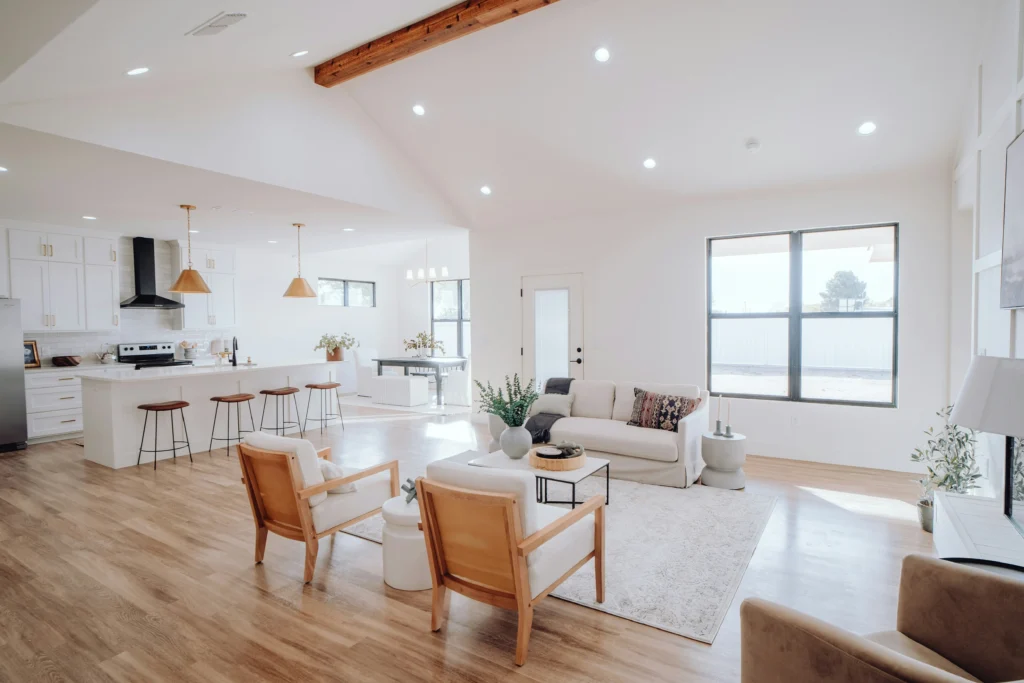
Open setups knock down extra walls. They link cooking spots, eating zones, and hangout rooms. This builds better chats among people. Families gain clear sight lines. But noise can spread easy. Use chairs or sound mats to split areas without closing off.
Private Zones for Work and Rest
Working from home is common now. Stats from Statista in 2023 show it’s worldwide. So, quiet work corners are key. Even in tight spaces. Keep sleep rooms away from busy paths. This guards good rest. One homeowner added a small nook. It changed their focus during calls.
Storage Integration
Hidden shelves under steps or in walls save room. They avoid extra clutter. Pros blend in multi-use pieces. Like seats by windows with secret drawers. This keeps things neat. Yet easy to reach. It’s a small trick that feels big in daily use.
Why Is Sustainability Important in Home Design?
Green building isn’t only for the planet. It’s a smart money move. It boosts health too. Over time, it pays off in lower costs and cleaner air inside.
Energy Efficiency Solutions
Power-smart homes add better wall padding. They use two-layer glass panes. Smart temperature controls learn your habits. They adjust on their own. The U.S. Department of Energy said in 2022 that good tools cut home power use by up to 30%. That’s real savings, like dropping your bill by a chunk each month.
Sustainable Building Materials
Items like bamboo floors hold up well. Recycled metal frames last long. Paints with low bad smells help air quality. Picking local stuff cuts travel fumes. It aids nearby jobs too. A builder friend swears by this. It keeps projects green without skimping on strength.
Water Conservation Features
Systems that catch rain water help a lot. Low-stream taps save without cutting comfort. Plant yards with local flowers. They need less watering. This setup works in dry spots. It turns a simple yard into a water saver.
How Do Interior Elements Influence Comfort?
Choices inside, like light plans or chair setups, set the daily vibe. They make a space feel welcoming or not. Get them wrong, and even a pretty room feels off.
Lighting Design Strategy
Sunlight lifts spirits and work drive. So, big windows or roof lights fit room jobs. Add layers of fake light. General glow for overviews. Focused beams for tasks. Extra highlights for mood. This gives options any time. Mornings feel bright. Nights stay soft.
Color Psychology in Interiors
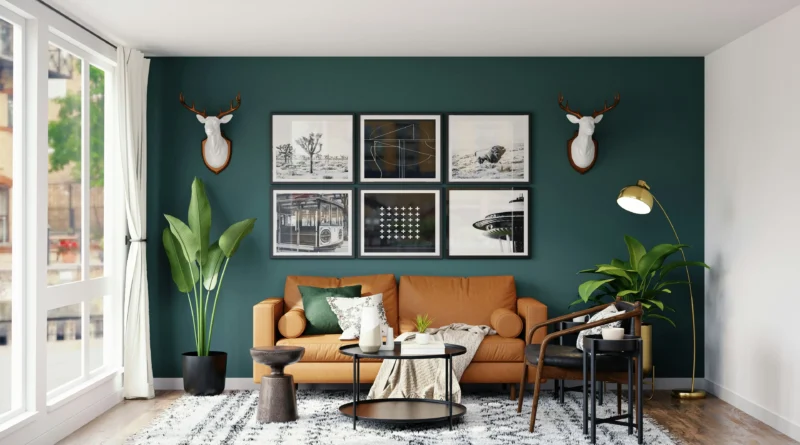
Shades stir feelings. Gentle blues calm nerves. Toasty reds warm up spots. White makes rooms seem bigger. But too much can feel cold. Mix them right for balance. Looks good and feels right. In one redo, a blue wall turned a tense kitchen peaceful.
Furniture Layout Efficiency
Set chairs to allow easy walks. Keep close spots for talks. Put couches near key points like warm fires. Not screens. This sparks real chats. Paths stay clear. No bumps in the night.
How Can Technology Enhance Modern Home Design?
Tech changes home building big time. From auto controls to planning apps, it opens doors. It’s not all shiny gadgets. Sometimes it’s the quiet helps that shine.
Smart Home Systems
Auto setups run lights and heat from your phone. Or talk to helpers like Alexa or Google Home Hub. The Consumer Technology Association noted in 2023 how this adds ease. It sharpens power use too. Lock doors from afar. Check cams quick. One family saved hours weekly on routines.
Virtual Design Tools
Builders use 3D programs now. Clients stroll fake walks before real work starts. This cuts mix-ups. Talks flow better. It’s like test-driving your future home. No big regrets later.
Integrated Security Features
New plans hide safety tools well. Move sensors in walls. Finger-scan locks on doors. They fit the look smooth. No clunky add-ons. Safety stays high. Style doesn’t dip.
What Role Does Outdoor Space Play in Home Design?
Yard spots stretch your living area. They offer chill time and fun. Indoors meets outdoors seamless. A good deck can turn rainy days into cozy hangs.
Functional Outdoor Layouts
Platforms near kitchens link inside fun to outside. Covered spots give shade in heat. Tiny ledges hold plant walls. They clean inside air. Even small changes add big joy.
Landscaping Harmony With Architecture
Match plants to house lines. Straight bushes fit clean fronts. Free blooms soften rough edges. This ties it all together. Views pop. Nature feels part of home.
Recreational Additions
Water spots need sun checks. Fire circles draw crowds at dusk. Outside cooking areas up use all year. Pick tough stuff like steel tops. They handle weather fine. Summers mean pool dips. Winters host warm chats.
FAQ
Q1: What Is the First Step When Choosing a Home Design?
A: Begin by checking your life needs. Look at daily tasks. Count who lives there. Plan for growth ahead. Then match to land facts. Pick a layout after that.
Q2: How Much Should Be Budgeted for Custom Features?
A: Set 10–20% more than basic build price. It depends on how special you go. Custom woodwork or far-off items hike costs. Plan early to avoid shocks.
Q3: Are Open-Plan Homes Always Better?
A: No, not always. They build bonds. But privacy slips. Sound travels. Use half-walls or chair groups to fix that.
Q4: Which Sustainable Feature Offers Quickest Payback?
A: Better padding plus smart air systems pay fast. Energy Star data from 2022 shows cuts in two years. Bills drop noticeable.
Q5: Can Technology Replace Traditional Craftsmanship in Home Design?
A: Tech aids accuracy. But hand skills stay key. It speeds jobs. Keeps creative touches alive in the end.