
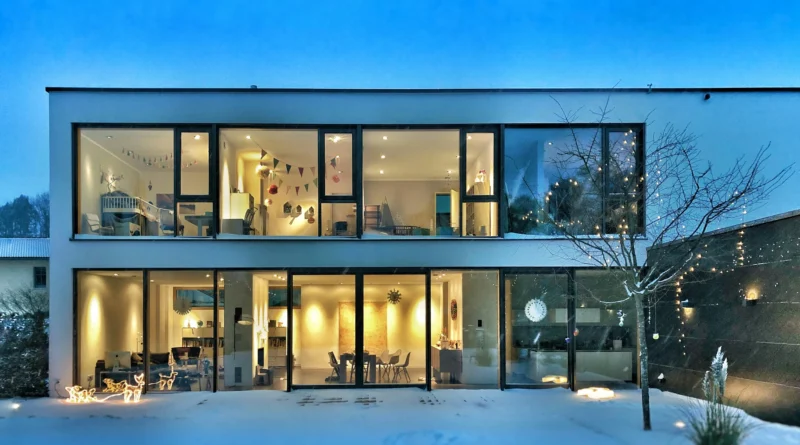
What Makes a Perfect Home Design in 2026
The idea of home design changes quickly these days. By 2026, a “perfect” home goes beyond just looks or fancy features. It focuses on flexibility, eco-friendliness, and how well it fits into daily life. Tech blends with building plans. People care more about the environment. So, future homes center on what people really need, not passing fads. Think about a family in a busy city. They want a space that grows with them, saves money on bills, and feels good to live in. That’s the real goal now.
How Does Technology Shape Modern Home Design in 2026?
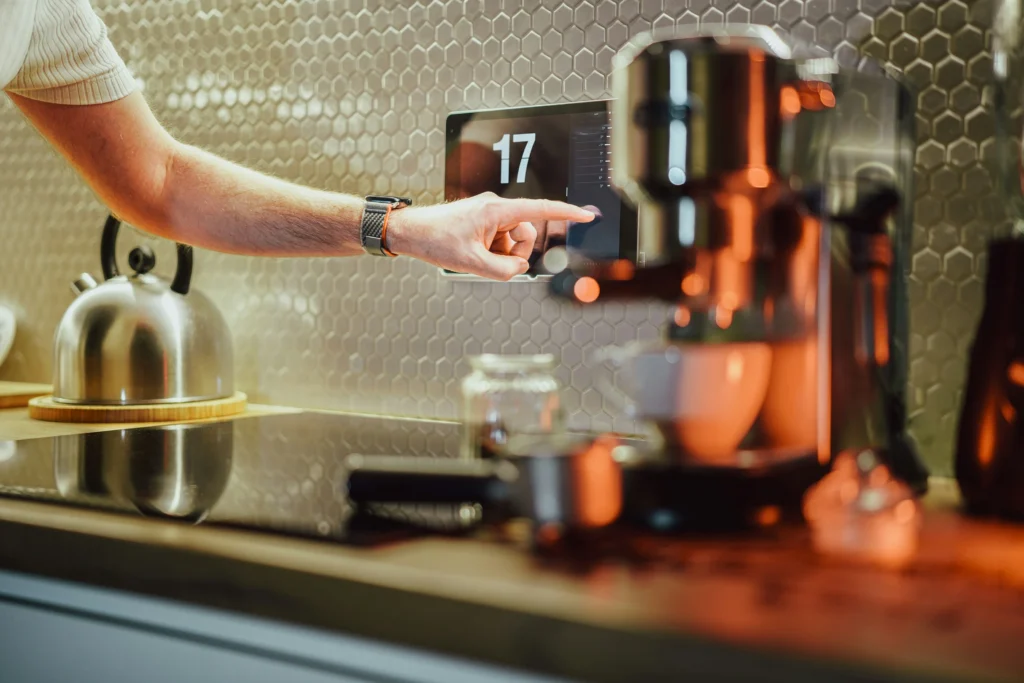
Tech acts like a hidden builder in every choice for home design. In 2026, digital tools do more than simple smart devices or auto lights. They change how rooms work, learn from users, and react to them. For example, in a typical day, your home might dim the lights when you relax or lock doors when you leave. This makes life smoother and cuts waste.
Smart Living Ecosystems
A home with AI systems builds a setup where lights, heat, and safety adjust on their own to match your ways. Take energy savings. Systems guess your schedule and tweak things. This can drop power use by about 30%, based on the Statista Smart Home Report 2024. These places connect well. But they act like smart helpers for ease and smart use. I remember visiting a demo house last year. The AI even suggested recipe ideas based on what was in the fridge—pretty handy for busy parents.
Virtual Design Tools
Builders use AR and VR a lot for inside planning. People can stroll through a computer copy of their new home before any work starts. This hands-on way cuts mistakes in plans. It lets you change things right away. That’s a big step up from old paper drawings. Imagine sitting in your living room, wearing glasses, and seeing your dream kitchen come alive. It makes the whole process fun and less stressful.
Sustainable Tech Integration
Items that save energy, solar panels built into roofs, and setups to reuse water show up in most new houses. The ideal home in 2026 looks nice. But it also runs on its own and cares for the planet. In places like California, where sun shines a lot, these solar roofs power whole homes without extra cost. It’s practical, not just green talk.
What Role Does Sustainability Play in Future Home Design?
Eco-friendliness moved from a side choice to the base of all projects. Data from around the world shows over 70% of owners rank green features high when updating or starting fresh, per the Global Green Building Trends 2025. It’s not optional anymore. Homes must help the earth while helping families save cash.
Energy-Efficient Materials
Steel from old items, bamboo for floors, and paints with low fumes lead the picks. They lower harm to the air. Plus, they make inside air cleaner. This matters more now. Remote jobs kept folks indoors longer. They faced more dust and chemicals. A friend of mine redid her floors with bamboo. It feels warm underfoot and doesn’t off-gas like some plastics do.
Passive Design Strategies
Planners push for fresh air flow from nature, better use of sun for light, and walls that hold heat well. These cut the need for fake heat or cool air. A house pointed the right way can halve power bills. And it stays comfy. In hot spots like Arizona, this means less AC running all day, which saves a ton on summer statements.
Water Conservation Systems
Tanks to catch rain and units to clean used water form key parts of green home plans in 2026. They aid the world and cut costs for owners. Utility prices rise everywhere. So, this setup pays off fast. Picture a backyard setup collecting roof runoff for garden plants. It’s simple, effective, and feels good knowing you’re not wasting.
How Is Personalization Changing the Way Homes Are Designed?
Making homes your own shifts what luxury means. It’s not about too much stuff. It’s about fitting your life and feeling tied to the place. Each spot shows the owner’s habits, not cookie-cutter styles. This trend started small but grew big after folks spent more time at home during tough years.
Modular Interior Layouts
Flexible room setups let areas change as needs shift. They handle home offices or family living across ages. Walls slide. Rooms reshape. Chairs and tables adjust without big fixes. In a growing family, this means turning a playroom into a study overnight. No hassle, just smart swaps.
Biophilic Elements
Textures from nature, plants inside, and soft colors from the earth fill room styles. They boost mood and cut worry by around 15%, from studies in the Journal of Sustainable Architecture 2023. It’s like bringing the park indoors. One study even showed kids focus better with green views nearby—great for home schools.
Localized Craftsmanship
Owners pick stuff from nearby and local makers more often. This ties to culture and helps town jobs. It’s a quiet way to make the home feel personal. It links folks to their spot. In rural areas, using wood from local trees adds a story to every beam, making the house feel alive.
Why Is Spatial Flexibility Crucial for Future Living Spaces?
Covid times changed how we see home areas for good. The best home handles many jobs now. It works as an office, workout spot, learning area, or quiet hideaway. All in one space. Being able to switch uses is key in building today. Without it, homes feel stuck and small.
Adaptive Room Functions
Partitions that move and furniture that changes let one area do different things in a day. It’s a workspace in the morning. Then a fun spot at night. No mess or loss of style. This setup shines in apartments where every inch counts. I’ve seen a bed fold into a desk—turns a tiny room into a full office quick.
Compact Urban Solutions
In packed cities such as Tokyo or London, small flats show how smart planning brings comfort in tight spots. They use clever storage and up-down zones. Even 300 square feet can feel roomy. Vertical shelves and hidden drawers make it work. Urban dwellers love this; it fits their fast pace without feeling cramped.
Outdoor-Indoor Continuity
Big sliding glass doors mix inside areas with yards or decks. This grows the space you use. It links you to outside nature, no matter the lot size. On a rainy day, it still feels open. In warmer climates, this means barbecues flow right from the kitchen—seamless and joyful.
How Do Aesthetics Evolve with Lifestyle Changes?
Style choices grow with shifts in culture toward simple ways, health focus, and realness. The charm in new home looks comes from how it all fits together. Light plays on surfaces. Open plans help talks without disorder. It’s about calm in a busy world, not showy extras.
Minimalist Luxury
Straight lines with cozy feels make quiet spots. They skip busy sights but add touch warmth. This matches today’s push for peace amid screen time. Less stuff means more focus on what matters, like family dinners without distractions.
Color Psychology Application
Planners pick colors with care. Soft browns help rest. Blues aid work. Light greens bring calm. Each shade serves a point, not just looks. In a home office, a blue wall might keep you sharp for calls. It’s backed by old psych ideas, but fresh for homes now.
Art as Structure
Instead of pictures on walls, builders mix art into main parts like stairs or lights. This turns useful spots into bold marks of who you are. It shapes the whole feel. A twisted metal stair can double as sculpture—functional art that sparks chats with guests.
What Are the Emerging Global Trends Influencing Home Design?
Ideas from around the world shape local builds. They tackle shared issues like weather changes or crowd living. At the same time, they honor area differences. This mix keeps things fresh and fitting for each place.
Climate-Responsive Architecture
Houses built to handle weather use strong bases against floods in beach towns. Or surfaces that bounce heat in dry lands. This acts as both safety and style spark. Groups in architecture noted it since 2024 reports in the World Architecture Review. In Florida, raised floors now standard after storms—saves lives and looks modern.
Smart Community Integration
Networks at the block level share power between houses with safe digital chains. This idea worked well in north Europe projects. Extra sun energy moves next door, not far away. It cuts waste big time. Imagine your neighbor’s panels charging your car—teamwork in action.
Cultural Fusion Aesthetics
Planners mix old skills with new stuff. Like old Moroccan tiles with clean north styles. This makes mixed looks that fit all ages. It keeps old ways alive in fresh builds. In diverse cities, this blend celebrates backgrounds without clashing—think a tile backsplash in a sleek kitchen.
FAQ
Q1: What defines a perfect home design today?
A: It mixes tech use, green rules, room changes, and your own touch. All while keeping looks in balance for daily ways.
Q2: How important is sustainability compared to aesthetics?
A: Green ways top just pretty sights now. Owners pick lasting saves over quick style picks.
Q3: Are smart homes expensive to build?
A: Upfront prices run higher for top systems. But lower power bills cover it in a few years.
Q4: Can small apartments still achieve perfect design standards?
A: Sure. Smart plans with flexible chairs and multi-use rooms give small spots the same ease as big ones.
Q5: What trend will dominate beyond 2026?
A: Building that shifts with AI tweaks and earth-friendly stuff should lead home changes worldwide.