
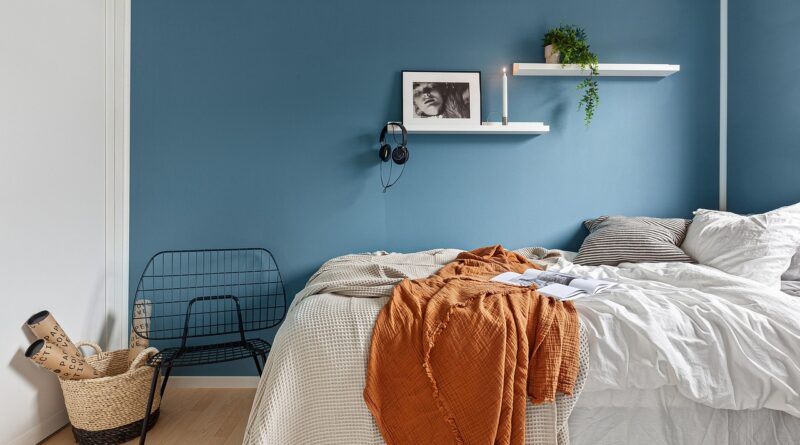
Home interior wall decor ideas for balanced and personal rooms
How wall decor shapes the room
Home interior wall decor should do more than finish a room. It directs attention, changes how tall or wide a space feels, adds personality, and helps determine whether the room feels calm or visually crowded. A sound wall plan starts with the room’s purpose, the size of each blank surface, natural light, existing architecture, and the level of maintenance the household can reasonably handle. The strongest approach is not to fill every wall. It is to decide which wall should be the focal point, which walls should stay quiet, and which surfaces can add storage, texture, or color.
This guide focuses on practical, design-led choices for homes: framed art, gallery walls, mirrors, wallcoverings, paint, shelves, textiles, panels, and mixed-material accents. For more interior planning ideas, visit the Home & Interior section.
Start with the wall’s job
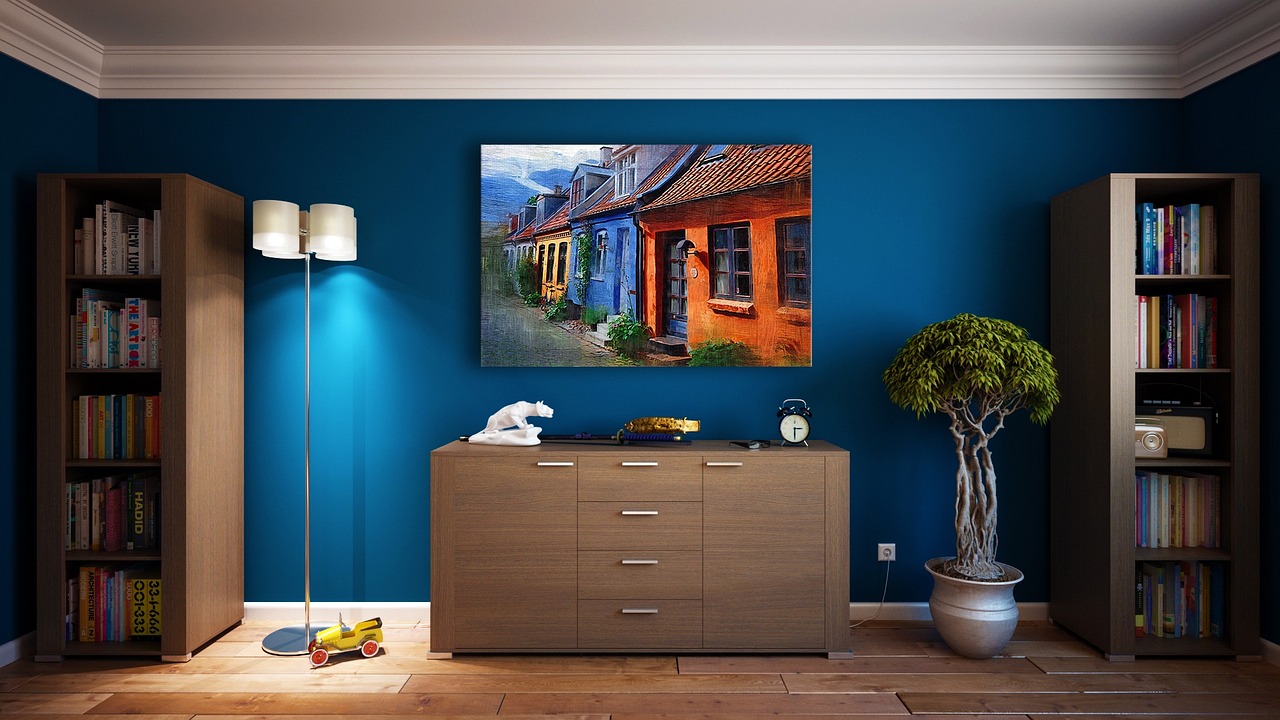
Before choosing a print, mural, mirror, or panel system, define what the wall needs to do. A wall behind a sofa may need to anchor the seating area. A hallway wall may need rhythm and movement. A bedroom wall may need softness and quietness. A kitchen wall may need cleanability more than visual impact.
Most successful wall decor serves one of five purposes:
- Create a focal point: a large artwork, mural, fireplace surround, sculptural piece, or bold wallcovering behind the main furniture grouping.
- Balance proportions: vertical pieces can make low ceilings feel taller, while horizontal arrangements can help a narrow room feel wider.
- Add texture: textiles, wood slats, limewash effects, grasscloth-style wallcoverings, or plaster finishes can reduce the flatness of plain drywall.
- Support function: shelves, peg rails, wall lamps, acoustic panels, and cork boards add use as well as decoration.
- Clarify style: color, subject matter, frame finish, and material choices signal whether the room is warm, minimalist, traditional, eclectic, or contemporary.
The common mistake is treating wall decor as a set of isolated objects. A framed print may be attractive on its own, but it still has to relate to the sofa width, ceiling height, rug, lighting, and nearby door or window openings.
Choose decor by room and viewing distance
Wall decor should respond to how people use each room and how close they are to the wall. A piece that works above a bed may feel too quiet in a dining room. A dramatic mural that energizes an entry may become tiring in a small home office.
Living rooms
Living rooms usually need one strong anchor. Above a sofa, a single large piece, a pair of coordinated artworks, or a carefully spaced gallery wall can define the seating zone. As a practical rule, the overall artwork arrangement often looks more balanced when it covers roughly two-thirds of the furniture width beneath it, though the exact measurement depends on ceiling height and the shape of the room.
Bedrooms
Bedroom wall decor should reduce visual noise. Soft landscapes, woven hangings, muted abstracts, upholstered panels, or tonal wallcoverings work well because they add interest without demanding constant attention. The wall behind the bed is usually the natural focal wall, but small bedrooms may benefit more from two bedside sconces and one restrained artwork than from a heavily decorated gallery wall.
Dining rooms
Dining rooms can often carry stronger color, darker paint, mirrors, and textured wallcoverings because they are used for shorter periods. A mirror can reflect candlelight or a pendant fixture, but it should reflect something worth seeing rather than a cluttered storage area. For longer dining walls, consider a sequence of three related pieces or one panoramic artwork.
Kitchens, baths, and entries
In moisture-prone or high-traffic areas, durability matters. Kitchens and bathrooms need finishes that tolerate wiping, humidity, and occasional splashes. Entries need decor that can survive bags, coats, children, pets, and frequent touch. In these spaces, framed works behind glass, washable wallcoverings, tile accents, peg rails, shallow ledges, and durable paint finishes are usually safer choices than delicate paper, raw textiles, or fragile sculptural objects.
Compare common wall decor options
The best choice is rarely one product for every wall. A layered home may use paint in one room, art in another, a mirror near an entry, and wallcovering in a powder room. The table below compares common options by visual effect and practical limits.
| Wall decor option | Useful effect | Practical watchout |
|---|---|---|
| Large framed art | Creates a clean focal point with minimal visual clutter | Needs correct scale and secure hanging hardware |
| Gallery wall | Adds personality, memory, and layered storytelling | Can feel busy if frame styles, spacing, and colors are uncontrolled |
| Mirror | Reflects light and can visually expand a room | Should reflect a pleasant view, not clutter or glare |
| Painted accent wall | Adds color with relatively low material complexity | Strong colors can date quickly if disconnected from furniture and flooring |
| Wallpaper or mural | Adds pattern, depth, and architectural character | Requires careful surface preparation and appropriate durability rating |
| Floating shelves | Combines display with light storage | Needs restraint; overcrowded shelves become visual noise |
| Wood slats or panels | Adds texture, rhythm, and warmth | Installation quality and alignment are highly visible |
| Textile wall hanging | Softens acoustics and adds handmade character | Can collect dust and may not suit damp rooms |
Industry guidance can help homeowners look beyond appearance. The Wallcoverings Association describes Type I, Type II, and Type III wallcoverings by increasing duty level, with heavier-duty types intended for higher-traffic conditions. ASTM F793/F793M also classifies wall and ceiling coverings by use characteristics. Many homes do not need commercial-grade wallcovering, but the underlying principle is useful: choose the material for the room’s traffic level, cleaning need, and exposure.
Scale, spacing, and placement rules that prevent clutter
Wall decor often fails because of scale, not taste. Small art floating in the middle of a large wall can look accidental. Oversized decor in a narrow passage can feel oppressive. The aim is to connect the wall decor to furniture, architecture, and human eye level.
- Relate art to furniture: above a sofa, bed, console, or sideboard, the decor should feel visually connected to the furniture below it rather than hovering far above.
- Keep the center comfortable: in many rooms, art feels natural when its center sits near average eye level, adjusted for seated areas, high ceilings, or tall furniture.
- Use consistent spacing: gallery walls look calmer when the spacing between frames is deliberate, often tighter for small frames and wider for large pieces.
- Respect negative space: blank wall areas are not wasted. They give the eye a place to rest and make the decorated areas feel more intentional.
- Test before hanging: paper templates, painter’s tape, or floor layouts can reveal whether a composition is too high, too low, too wide, or too busy.
Lighting can change the result significantly. A textured wall without grazing light may look flat. A glossy artwork opposite a window may create glare. A dark accent wall in a room with weak daylight may feel elegant at night but heavy during the day. Check wall decor in morning, afternoon, and evening light before committing to a major installation.
Materials, health, and maintenance considerations
Decorative walls are part of the indoor environment, so material choices should consider more than style. Paints, adhesives, finishes, wallcoverings, and composite panels may affect odor, ventilation needs, cleanability, and long-term maintenance.
The U.S. Environmental Protection Agency explains that volatile organic compounds, often called VOCs, are chemicals that evaporate at room temperature and can be released by products such as paints, paint strippers, adhesives, and some remodeling materials. EPA remodeling and indoor air guidance emphasizes source control and ventilation, including fresh air and fans during painting and for a period after painting. For households with children, older adults, asthma, or chemical sensitivities, it is sensible to schedule painting and adhesive-heavy work when the room can remain well ventilated and lightly occupied. See also: Building Styles.
Maintenance is just as important as first impressions. A matte wall may hide uneven surfaces but can mark more easily in a busy hallway. A washable finish may be better near switches, entries, and children’s rooms. Textured wallcoverings add depth but may be harder to clean. Open shelves create styling opportunities but also collect dust. Real wood brings warmth but may need careful detailing around moisture and heat. The right wall decor is the option that still looks good after daily use.
Homeowner satisfaction data also supports the value of modest interior updates. In the 2025 Remodeling Impact Report from the National Association of Realtors and the National Association of the Remodeling Industry, painting one interior room received a high joy score of 9.3. That does not mean paint is always the right answer, but it reinforces a practical point: visible interior surfaces strongly affect how people feel in their homes.
How to build a cohesive wall decor plan
A cohesive plan does not require every room to match. It requires repeated decisions that make the home feel connected. Start by choosing a limited palette of frame finishes, wood tones, metals, and dominant colors. Then allow each room to express that palette differently.
- Map the key sightlines. Stand at the entry, hallway, and main seating areas. Identify which walls are seen first and which walls are background surfaces.
- Choose one focal wall per room. More than one strong wall can work in large spaces, but small rooms usually need restraint.
- Set a material hierarchy. Decide whether the room’s main feature is color, art, texture, shelving, or architectural detail.
- Repeat one element. Use a consistent frame color, recurring curve, similar wood tone, or related artwork palette to link rooms without making them identical.
- Edit before adding. Remove small pieces that do not contribute to the composition. A smaller selection of larger, better-placed pieces often feels more designed.
For renters or homeowners who are not ready for permanent work, removable picture ledges, leaning art, tension-mounted textiles, peel-and-stick samples, and freestanding screens can test scale and color before a bigger investment. For owners planning longer-term upgrades, built-in niches, panel molding, plaster finishes, integrated lighting, and durable wallcoverings can make the decor feel architectural rather than temporary.
Common mistakes to avoid
The most common wall decor problems are predictable. The first is choosing decor before measuring the wall. The second is copying a trend without checking whether it suits the room’s light, furniture, and daily use. The third is using too many small objects because each one seems inexpensive or meaningful. Personal items matter, but they need editing and structure.
Another mistake is ignoring installation quality. Heavy mirrors, shelves, ceramic pieces, and large frames need appropriate anchors and should be installed with awareness of wall type, studs, wiring, and weight. In households with children or pets, secure mounting is part of the design, not an afterthought.
Finally, avoid treating every blank wall as a problem. Some of the most refined interiors use quiet walls to make one strong surface feel more powerful. If the room already has a fireplace, large windows, patterned rug, tall bookcase, or sculptural lighting, the best wall decor may be simpler than expected.
Frequently asked questions
What is the easiest way to start with home interior wall decor?
Start with one visible wall and one clear purpose. For many homes, the easiest first project is the wall above a sofa, bed, console, or dining sideboard. Measure the furniture, test the composition with paper templates, and choose either one large piece or a small group with consistent spacing.
Should every room have an accent wall?
No. Accent walls work when they support a focal point, architectural feature, or furniture layout. If every room has a bold accent wall, the home can feel fragmented. In many spaces, art, lighting, or texture provides enough interest without a full contrast wall.
Are mirrors good wall decor for small rooms?
Mirrors can help small rooms feel brighter and more open when they reflect daylight, a pleasant view, or a well-designed part of the room. They are less effective when they reflect clutter, a blank ceiling, or direct glare.
How can wall decor look personal without feeling messy?
Use personal photos, travel pieces, or collected objects within a controlled system. Matching frames, a limited color palette, repeated spacing, or one dedicated gallery zone can make meaningful items feel intentional rather than scattered.
When should durability matter more than style?
Durability should lead in entries, children’s rooms, kitchens, baths, stairways, rental properties, and any wall that is frequently touched or cleaned. In those areas, washable finishes, secure hardware, and suitable wallcovering types are more important than delicate materials.