
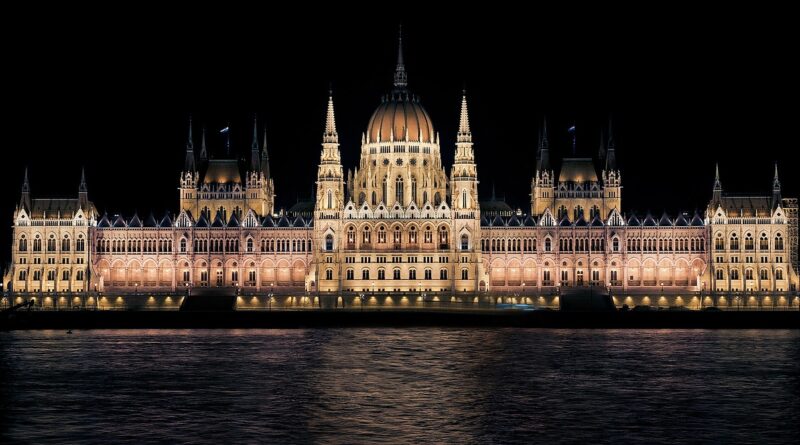
Famous architectural styles and how to recognize them
Understanding famous architectural styles
Famous architectural styles are more than visual labels. They record changes in technology, belief, wealth, politics, climate, and ideas about how people should live and gather. A Gothic cathedral and a Bauhaus school look different not simply because one designer favored pointed arches and another preferred flat roofs, but because each style responded to different cultural, structural, and social priorities. This guide explains the most recognizable building styles, the periods most closely associated with them, and the clues that help readers identify them in cities, historic districts, and architectural photography.
Architectural styles also overlap. A single building may combine a classical plan, Baroque ornament, and later restoration work. For that reason, the most useful approach is not to memorize labels in isolation, but to read a building through its form, materials, structure, ornament, and historical context. For more style-focused architecture coverage, explore the Building Styles section on Archithaus.
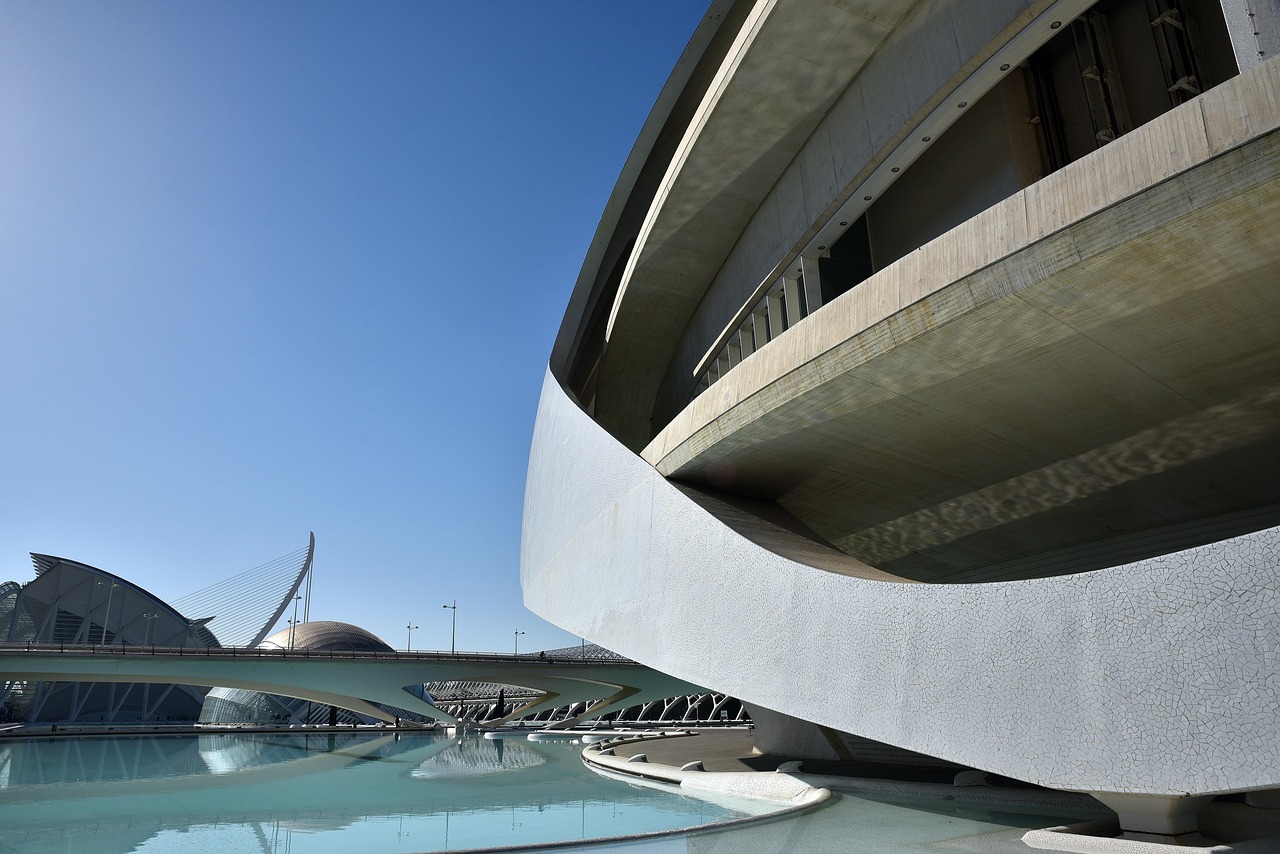
A quick timeline of major architectural styles
The dates below are approximate. Styles rarely begin or end neatly, and many continued through revivals long after their first period of influence. Even so, a broad timeline helps connect visual features with historical change.
| Style | Approximate period of major influence | Common recognition clues |
|---|---|---|
| Classical | Ancient Greece and Rome, with later revivals | Columns, pediments, symmetry, proportional orders |
| Romanesque | Roughly 10th to 12th centuries in medieval Europe | Round arches, thick walls, small windows, heavy masonry |
| Gothic | From the 12th century in parts of Europe, expanding widely afterward | Pointed arches, rib vaults, flying buttresses, stained glass |
| Renaissance | 15th and 16th centuries, beginning in Italy | Classical order, balance, domes, measured geometry |
| Baroque | 17th to early 18th centuries in much of Europe and beyond | Drama, curves, rich ornament, theatrical spatial effects |
| Neoclassical | Mid-18th to 19th centuries, with later civic revivals | Temple fronts, restrained classical detail, formal symmetry |
| Art Nouveau | Late 19th to early 20th centuries | Flowing lines, botanical motifs, ironwork, decorative unity |
| Art Deco | 1920s to 1930s, with regional variations | Geometric ornament, vertical emphasis, stepped forms, stylized luxury |
| Modernism | Early to mid-20th century and beyond | Minimal ornament, open plans, glass, steel, concrete, functional expression |
| Brutalism | Especially 1950s to 1970s | Exposed concrete, bold massing, visible structure, civic scale |
| Postmodernism | Late 20th century | Historical references, color, playful geometry, symbolic facades |
Classical architecture
Classical architecture remains one of the most influential style families in the built environment. Its roots are in ancient Greece and Rome, but its vocabulary has been reused for temples, courts, museums, banks, universities, and government buildings across many countries. When people describe a building as classical, they are usually referring to proportion, order, symmetry, and recognizable elements such as columns, entablatures, pediments, and domes.
The facade is usually the best place to start. Does the building have a strong central axis? Are columns or pilasters arranged in a clear rhythm? Is the entrance framed like a temple front? Classical architecture often uses the Doric, Ionic, or Corinthian orders, each with different column proportions and capital designs. Roman architecture expanded this language with arches, vaults, amphitheaters, basilicas, and large-scale engineering.
Classical architecture became famous partly because it was repeatedly revived. Renaissance architects studied antiquity to create measured, human-centered compositions. Neoclassical designers later used classical forms to suggest reason, permanence, and civic dignity. Even contemporary civic buildings sometimes use classical references to communicate stability, although the results vary widely in quality and authenticity.
Romanesque and Gothic architecture
Romanesque and Gothic buildings are often discussed together because they represent two major phases of medieval European architecture. Romanesque architecture is generally heavier and more fortress-like. Its churches often have thick stone walls, round arches, barrel vaults, compact windows, and sculptural portals. The Metropolitan Museum of Art’s Heilbrunn Timeline has long described Romanesque art and architecture in relation to pilgrimage, monastic culture, and the growth of stone-vaulted church design.
Gothic architecture developed new answers to the problem of height and light. Pointed arches, rib vaults, and flying buttresses allowed walls to open up for larger stained-glass windows. The result was both structural and emotional: Gothic cathedrals were designed to lift the eye upward, flood interiors with colored light, and express spiritual ambition through engineering.
How to tell them apart
- Romanesque: round arches, heavy walls, smaller openings, compact massing, and a strong sense of solidity.
- Gothic: pointed arches, taller proportions, ribbed vaulting, flying buttresses, tracery, and large stained-glass windows.
- Gothic Revival: later buildings that reuse Gothic features, often in churches, universities, railway buildings, and civic architecture.
Not every pointed arch means a building is medieval. Many 19th-century Gothic Revival buildings used Gothic forms for symbolic reasons, especially to evoke tradition, religion, learning, or national identity.
Renaissance, Baroque, and Neoclassical architecture
Renaissance architecture returned to classical principles but interpreted them through new ideas about geometry, perspective, and human proportion. Compared with the vertical intensity of Gothic cathedrals, Renaissance buildings often favor measured facades, harmonious ratios, domes, arcades, and carefully organized plans. The style is closely associated with Italy, though its influence spread widely across Europe.
Baroque architecture took classical language in a more dynamic direction. It often uses curves, dramatic staircases, oval plans, sculptural facades, rich interiors, and strong contrasts of light and shadow. If Renaissance architecture feels balanced and composed, Baroque architecture tends to feel theatrical and emotional. This effect was especially powerful in churches, palaces, and urban spaces where architecture, painting, sculpture, and ceremony were designed to work together.
Neoclassical architecture later reduced some of that drama and returned to a more restrained classical ideal. In many cities, neoclassical buildings are recognizable by porticoes, columns, triangular pediments, smooth stone surfaces, and symmetrical massing. The style became especially important for museums, courthouses, capitols, banks, and memorials because it communicated order and public authority.
Why these styles are easy to confuse
Renaissance, Baroque, and Neoclassical architecture all draw from classical vocabulary. The difference is emphasis. Renaissance design often seeks harmony, Baroque design heightens movement and drama, and Neoclassical design often presents a cleaner, more archaeological version of antiquity. When identifying a building, look less at whether it has columns and more at how those columns are used.
Art Nouveau, Beaux-Arts, and Art Deco
The late 19th and early 20th centuries produced some of the most visually distinctive famous architectural styles. Art Nouveau rejected rigid historical copying and embraced flowing lines, plant forms, custom ironwork, stained glass, tile, and integrated decoration. In many examples, door handles, stair rails, facade ornament, windows, and interior surfaces all feel like parts of one continuous design language.
Beaux-Arts architecture, shaped by academic training associated with the École des Beaux-Arts in Paris, favored grand planning, axial composition, classical detail, monumental stairs, sculptural decoration, and ceremonial interiors. It became especially influential for museums, train stations, libraries, civic centers, and major public buildings. A Beaux-Arts building may appear classical, but it often has a larger urban ambition and a more elaborate sense of procession.
Art Deco arrived with a different mood. Rather than looking primarily to classical antiquity or organic nature, Art Deco celebrated geometry, speed, luxury, and modern materials. Typical features include zigzags, chevrons, sunbursts, stylized floral or machine-age motifs, polished stone, metalwork, and vertical emphasis. In skyscraper design, stepped silhouettes and decorative crowns helped Art Deco towers become icons of 20th-century city skylines. See also: Building Layout.
A practical comparison
- Art Nouveau feels organic: curved, botanical, handcrafted, and fluid.
- Beaux-Arts feels ceremonial: axial, monumental, classical, and urban in scale.
- Art Deco feels geometric: streamlined, vertical, decorative, and modern in spirit.
Modernism, Brutalism, and Postmodernism
Modernism changed the architectural conversation by challenging the idea that buildings needed historical ornament to be meaningful. Early modern architects explored new relationships between structure, function, plan, and industrial materials. Steel frames, reinforced concrete, curtain walls, flat roofs, open interiors, and simplified surfaces became central to many modern buildings. The Bauhaus, the International Style, and the work of figures such as Le Corbusier, Ludwig Mies van der Rohe, and Walter Gropius shaped this shift.
UNESCO’s 2016 inscription of 17 projects by Le Corbusier in seven countries recognized the international significance of the Modern Movement. That listing is important because it shows how 20th-century architecture, once controversial for breaking with tradition, has itself become part of global heritage.
Brutalism is often treated as a branch or later expression of modern architecture. It is most associated with exposed concrete, large sculptural forms, repetitive modules, and strong structural expression. Many Brutalist buildings were designed for universities, libraries, housing estates, cultural centers, and government institutions. Public opinion remains divided: some people see Brutalism as honest and powerful, while others experience it as harsh or imposing. Both reactions are part of the style’s continuing cultural relevance.
Postmodern architecture emerged as a critique of modernism’s perceived severity and uniformity. Instead of avoiding historical reference, Postmodern buildings often reintroduced arches, columns, color, ornament, symbolism, and irony. The results can be witty, contextual, theatrical, or deliberately unsettling. Postmodernism is not simply a return to tradition; it often quotes tradition in a self-aware way.
How to recognize a style in the real world
Identifying architecture is easier when you move from general impression to specific evidence. A building may look old, formal, or decorative, but style identification requires closer reading. Start with the building’s massing, then examine structure, openings, ornament, roofline, materials, and setting.
- Look at the arches: round arches often point toward Roman, Romanesque, Renaissance, or some revival styles; pointed arches suggest Gothic or Gothic Revival influence.
- Study the columns: classical orders, pilasters, porticoes, and pediments usually indicate classical, Renaissance, Neoclassical, Beaux-Arts, or revival traditions.
- Read the ornament: botanical curves may suggest Art Nouveau, while chevrons and sunbursts often suggest Art Deco.
- Notice the structure: exposed concrete, visible frames, and large undecorated planes may indicate Modernism or Brutalism.
- Check the context: date, location, patron, function, and later renovations can change the interpretation.
The strongest identification usually comes from several clues working together. A church with pointed arches, ribbed vaults, stained glass, and flying buttresses is much more likely to be Gothic than a building that simply uses a pointed window as decoration. A tower with stepped massing, vertical piers, and geometric ornament is more convincingly Art Deco than a plain building from the same decade.
Why architectural styles still matter
Architectural styles matter because they help readers understand buildings as cultural documents. Style can reveal what a society valued, what technologies were available, what materials were affordable, and what image a patron wanted to project. A neoclassical courthouse communicates authority differently from a transparent modern city hall. A Gothic Revival campus building creates a different academic atmosphere from a Brutalist lecture hall.
At the same time, style should not be reduced to surface appearance. Buildings also need to be judged by space, performance, accessibility, durability, urban contribution, and environmental impact. A beautiful facade can hide a poor plan, while a plain exterior can contain generous public space. The best use of style knowledge is not to rank buildings by taste, but to ask better questions about why they look the way they do.
For designers, writers, travelers, and architecture enthusiasts, learning famous architectural styles provides a shared vocabulary. It makes city walks richer, historic preservation debates clearer, and design criticism more precise. Once you can recognize the major clues, buildings stop being anonymous backgrounds and become readable evidence of history.
Frequently asked questions
What is the easiest architectural style to recognize?
Gothic architecture is often one of the easiest to recognize because pointed arches, flying buttresses, rib vaults, and stained glass create a highly distinctive profile. Art Deco is also relatively easy to identify when geometric ornament, vertical emphasis, and stepped forms appear together.
Are architectural styles fixed rules?
No. Styles are useful categories, not fixed formulas. Many buildings combine influences, and revival styles often reuse older forms in new historical settings. A careful description should acknowledge mixed evidence instead of forcing one label.
What is the difference between modern and contemporary architecture?
Modern architecture usually refers to a historical movement associated with the 20th century, functional planning, industrial materials, and reduced ornament. Contemporary architecture means architecture being produced in the present period, which may include many approaches rather than one single style.
Why do public buildings often use classical architecture?
Classical architecture has long been associated with civic authority, order, permanence, and institutional dignity. That association comes from centuries of reuse in courthouses, museums, capitols, universities, and memorials, not from antiquity alone.